A hiker who thru-hiked the 144-mile Maah Daah Hey Trail in mid-September has called it the best trail they've ever walked — and they didn't see another person the entire time. The trail, whose name means "grandfather, long lasting" in the Mandan language, cuts through the remote North Dakota Badlands and passes through sections of Theodore Roosevelt National Park.
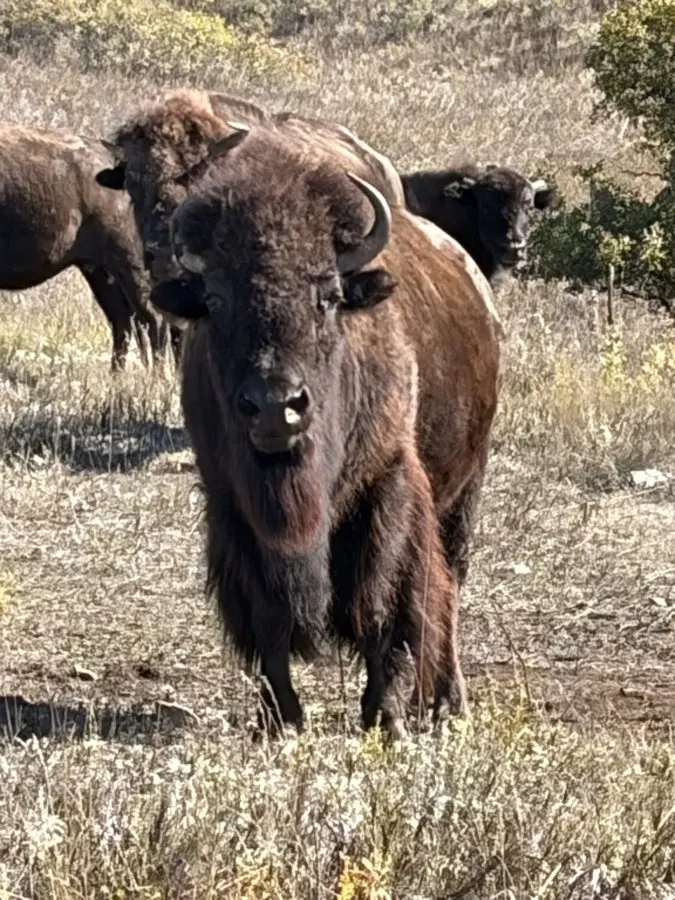
What makes it special is the sheer variety packed into a week of walking: colourful layered sediment formations, wildflowers, prairie dogs, pronghorn and free-roaming bison, especially in the park's southern and northern units. Camp wherever you like, and with no light pollution the night skies are a highlight in themselves. The trade-off is wind, which can be relentless, and genuine remoteness — this is not a trail for a first-time thru-hiker.
Logistics take planning. Neither trail terminus allows overnight parking, so most hikers pay a Medora-based business to shuttle them to a starting point and collect them at the other end. Water is the big challenge: there is little to none on the trail itself, so hikers pre-position gallon jugs at established water boxes along the route. Expect carries of 10 to 15 miles between sources. Some campgrounds slightly off-trail have hand-pump water, though these are often shut off once autumn temperatures drop.
A fit hiker covering 20 miles a day can finish in about a week, carrying six or seven days of food — or breaking it up with a resupply in Medora, the one town near the trail, roughly a four-mile round trip off the route. Medora has a convenience store and gas station but no grocery store. Navigation requires preparation too: the trail isn't on FarOut, so the hiker used a self-built CalTopo map. It's well blazed with turtle markers showing mileage, but bison knock over blaze poles in the park, and cattle and bison paths criss-cross the route, so a GPS backup earns its keep.
Two other quirks to know. After rain, the clay soil turns glue-like and clings to shoes — wait two to four hours for it to dry before hiking. And there are several bridgeless creek crossings plus the Little Missouri River, which is a knee-deep mud slog in dry conditions and potentially impassable after heavy rain.
Why should a traveller care? If you've done a thru-hike or two and crave genuine solitude, dramatic scenery and wildlife without the crowds of the big-name trails, the Maah Daah Hey is a compelling autumn objective. September delivered 60–70°F overcast days, no biting insects and empty campsites. Just budget for shuttles and water caching, and give any bison a very wide berth — they're fast and unpredictable.
Story via The Trek.