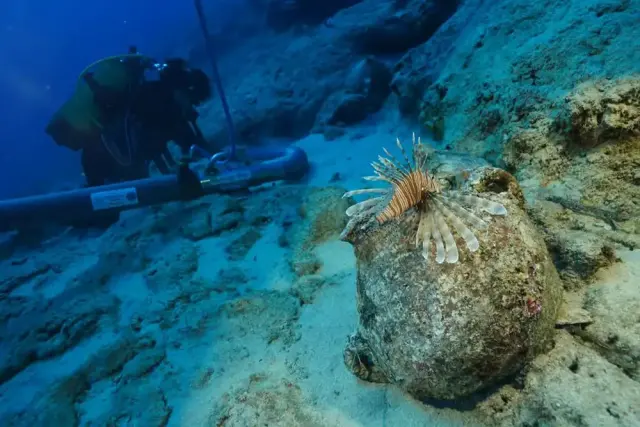
There's no wooden hull left, just a scatter of ceramic jars on the seabed — but archaeologists believe a wreck near Kekova Island on Turkey's Mediterranean coast may be the oldest known shipwreck in the world.
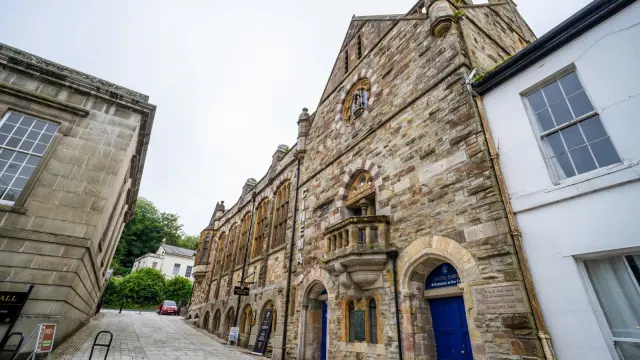
A team from Akdeniz University in Antalya documented the site in 2024. Underwater archaeologists Hakan Öniz and Ceyda Öztosun published a preliminary report in the Journal of Maritime Archaeology on July 24, 2026, and ceramics specialist Karin Sowada of Australia's Macquarie University has dated the cargo to roughly 2700–2400 BC. That's the era of the Great Pyramid of Giza — and if the chronology holds, the wreck would be several centuries older than the Dokos wreck off Greece, dated around 2200 BC and long held to be the oldest known.
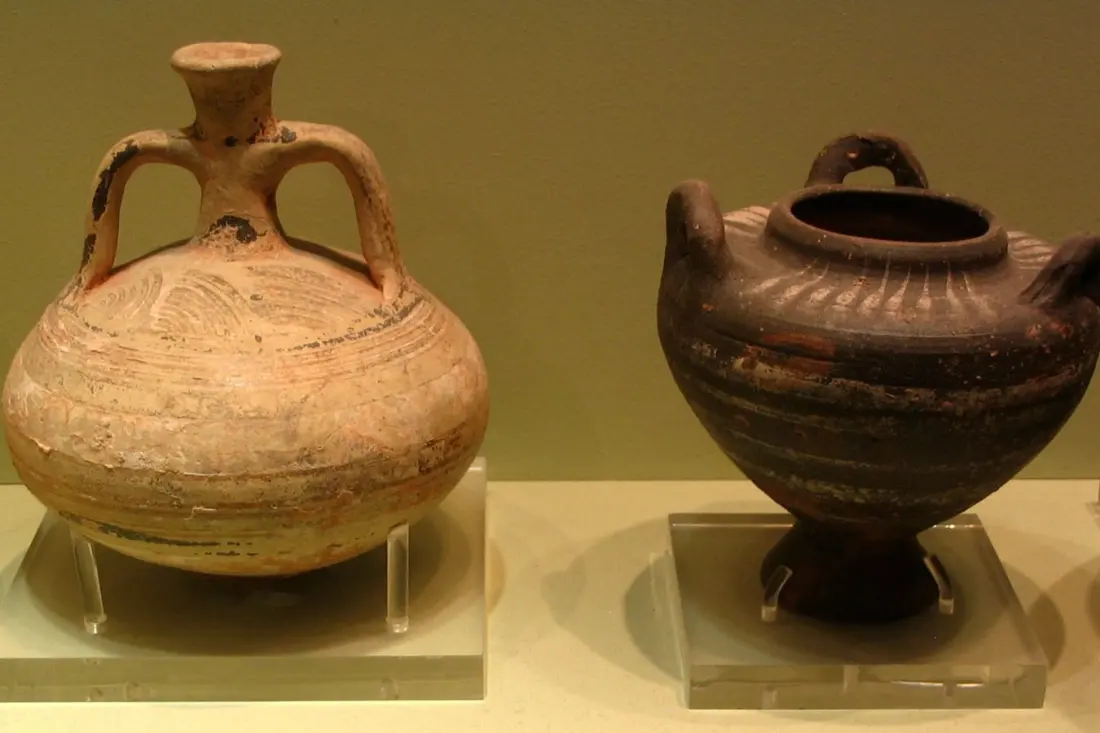
Because no timber survived, dating rests entirely on the pottery: more than 30 storage jars with flat bases, side handles and raised decorative bands that closely match Early Bronze Age Levantine styles. Some of the clay may even have come from the Central Jordan Valley. One vessel resembles containers used for agricultural goods like wine and olive oil, and visible residues remain inside some jars — though confirming the contents will require lab analysis. Three stone anchors lie nearby, two with three holes and one with a single, but researchers can't yet say whether they belonged to the ship.
The bigger picture is trade. The cargo points to active exchange between Levantine and Anatolian coastal communities in the third millennium BC, a period far less documented than later Bronze Age commerce. Egypt was sourcing cedar, metals, oils and resins through the region at the time, with the port of Byblos in modern-day Lebanon playing a central role. Sowada suggests the small vessel was hugging southern Turkey's coast when a storm pushed it toward the islands for shelter — and it paid for the mistake with its cargo.
Important caveats apply. The study is preliminary, the dating provisional, and further work could shift both the age estimate and the record claim. Still, for divers and history-minded travellers, Kekova already had strong credentials — the sunken Lycian city of Simena lies in the same turquoise waters, viewable through glass-bottomed boats or on kayak trips from the village of Üçağız. Now the bay guards what may be humanity's earliest surviving trace of a seagoing voyage.
If the dating is confirmed, this stretch of the Turkish coast becomes a genuinely significant site for anyone interested in the deep history of the Mediterranean — and one more reason to explore the Antalya province beyond its beaches.