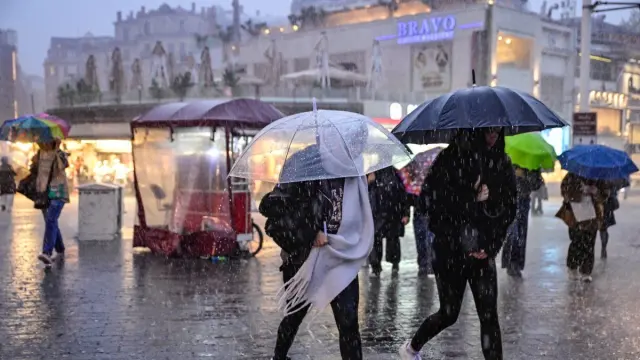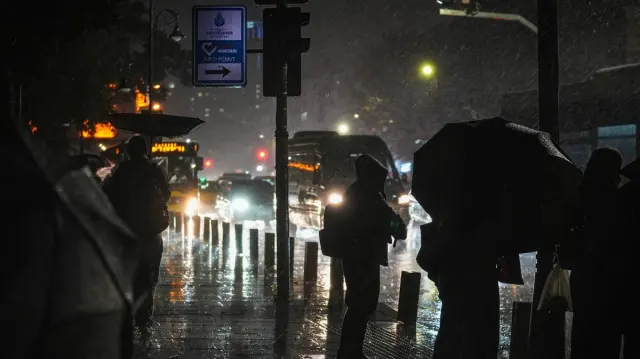
A severe storm brought Istanbul to a near standstill on Wednesday, with the city's governor's office confirming that a 14-year-old boy lost his life after being electrocuted in floodwater at Çukurbostan Park in the historic Fatih district. The boy, identified only by his initials M.I., stepped into a puddle electrified by the flooding and died in hospital despite emergency treatment. An investigation is underway.
The scale of the disruption was extraordinary. Emergency services logged 2,518 weather-related reports across the city, including 1,277 flooding incidents, 15 landslides and 47 cases of stranded people. Floodwaters damaged or affected 808 homes, 280 businesses and 76 vehicles. The heaviest rain fell on the Asian side in Beykoz's Ömerli area, where precipitation hit 193.84 kilograms per square metre, with Arnavutköy and Sarıyer's Maslak area also recording well over 120 kilograms per square metre.
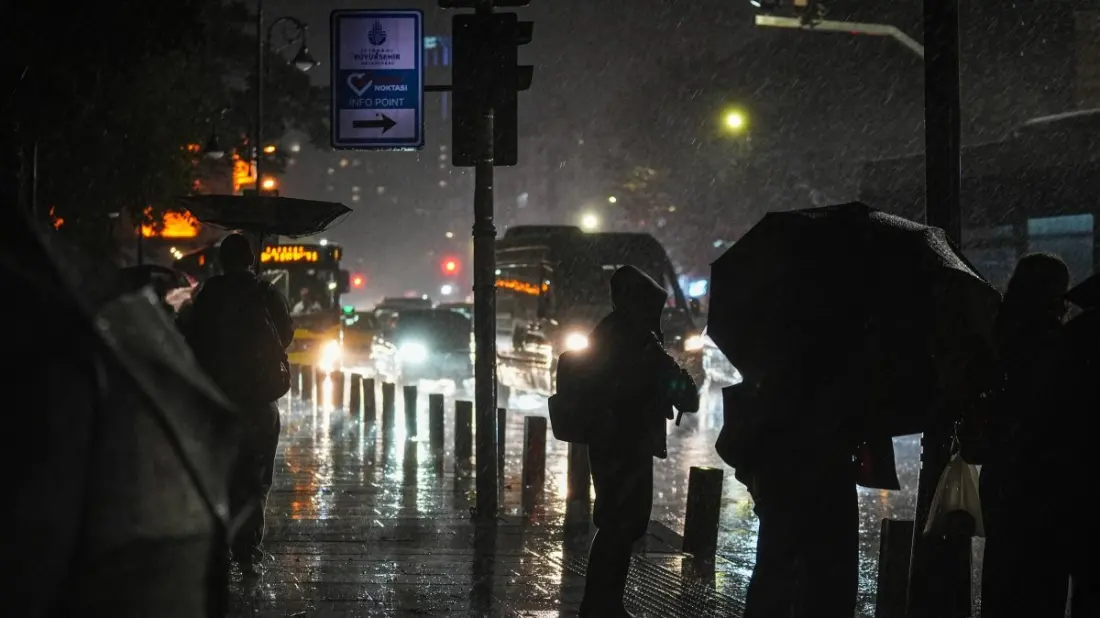
A crisis coordination centre was set up at AFAD, Turkey's disaster and emergency authority, after warnings from the state meteorological service. Roughly 8,000 personnel and 2,000 vehicles were deployed, yet the evening rush hour still saw traffic density hit about 90 per cent citywide. Schools were closed for Thursday, motorcycles were temporarily banned from the roads, and the governor urged residents on the Asian side to stay alert as the rain continued.
There is some reassurance for travellers in the details: no roads stayed closed and both airports kept runways open with no flight cancellations reported. Public transport ran at heavy capacity but kept moving, which matters if you ever find yourself in Istanbul during a sudden downpour — the metro, trams and ferries are usually your best bet when the roads seize up.
Istanbul gets bursts of intense autumn and winter rain most years, and while fatalities of this kind are rare, the city's hilly topography and ageing drainage can turn streets into rivers fast in low-lying areas like Fatih and Balat. If you're visiting during the wetter months, keep an eye on Turkish State Meteorological Service warnings, avoid walking through standing water (the electrocution risk is real when flooding is severe), and build slack into any transfer or tour schedule during storm alerts.
For anyone planning a trip in the coming days, normal operations have largely resumed, but it's worth confirming excursion bookings and allowing extra time for airport transfers until the clean-up is complete.