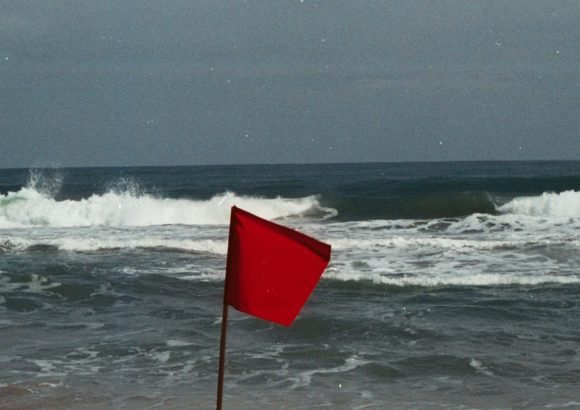
If you're heading to Puerto Plata on the Dominican Republic's north coast, leave the swimsuit in your bag for now. Civil Defense has kept a red flag warning in place along the entire Puerto Plata coastline, banning swimming because of dangerous marine conditions — strong currents, rip currents and abnormal waves.
The Atlantic-side conditions have been slowly easing, but officials aren't taking chances. In an updated notice issued on Monday, the agency stressed that swimming remains prohibited on all beaches under the alert. The core worry is rip currents, which can drag even competent swimmers out to sea when the surface looks deceptively calm and the waves seem moderate.
There's no set end date. Civil Defense says it is monitoring the coast continuously and will announce any changes, but the ban stands until further notice. Visitors are being asked to respect the warning signs and stay out of the water entirely while the red flag is up.
Why does this matter if you're not planning to swim? Because it's easy to misread. A sunny Caribbean afternoon with modest-looking waves can still hide a powerful rip current — that's exactly the scenario authorities are flagging. Lifeguard coverage on this stretch of coast is limited, so a red flag is not a suggestion; it's the only real safety system in place.
Travellers already in Puerto Plata should stick to pool swimming, treat beach walks as fine but water entry as off-limits, and check for updated notices before planning any coastal excursions. If you've got water-based activities booked — surf lessons, catamaran trips, snorkelling tours — contact the operator first, as smaller outfits may pause or reschedule while the alert lasts. Anyone who sees a swimmer in trouble should alert authorities rather than attempt a rescue themselves; rip currents overwhelm even strong swimmers.
For those still deciding whether to go, the rest of Puerto Plata carries on as normal. The Malecón, the cable car up Pico Isabel de Torres, the forts and the amber museum are all unaffected, and the same red-flag rules apply a short drive away along the north-coast beaches when conditions warrant. The Dominican Republic's Atlantic-facing north shore is simply more prone to rough seas than the calmer Caribbean south and east, which is why these alerts appear regularly in winter and during passing weather systems.
Bottom line: the coast is still beautiful to look at, but until the flag drops to green, the ocean is off-limits. Keep an eye on Civil Defense updates — they're quick to announce when beaches reopen.