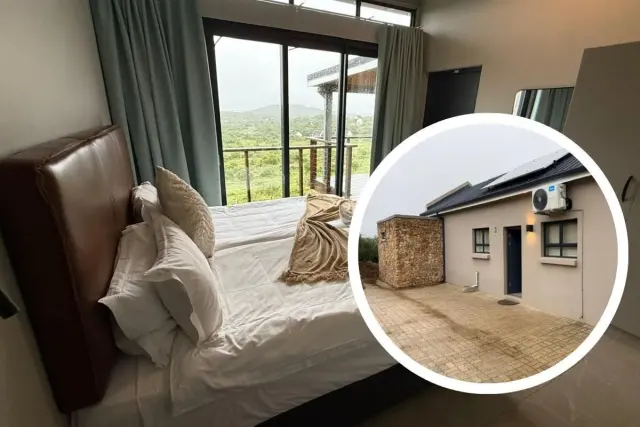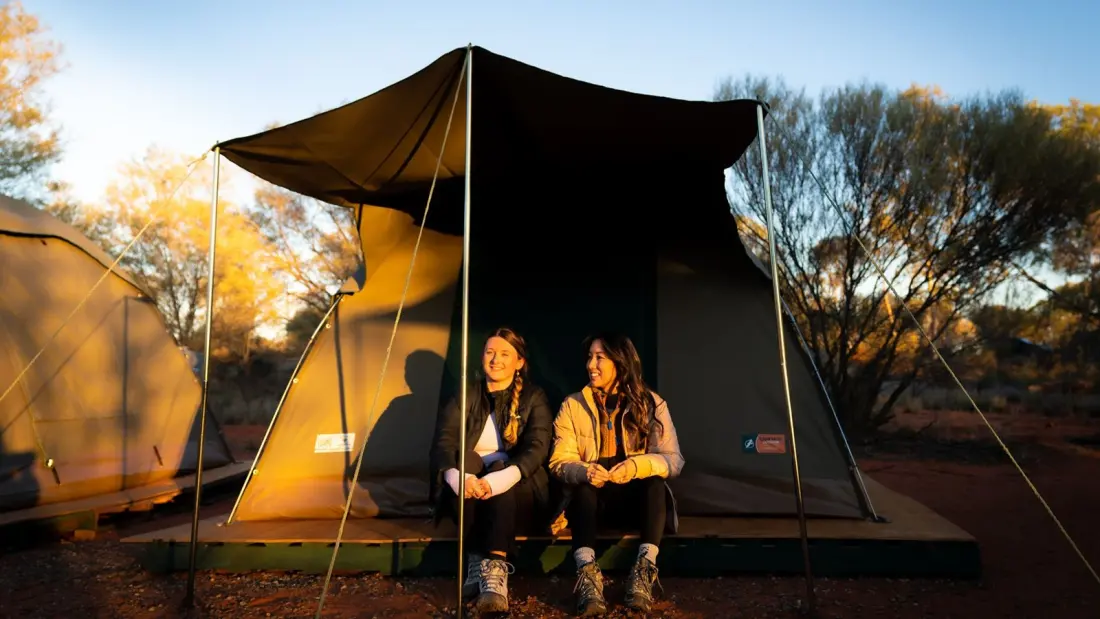
On the last morning of a trip to Mexico, writer Francesca Specter realised she wasn't just sad to leave Oaxaca's food and colour behind. She was going to miss Emily — a complete stranger she'd shared a twin room with for two weeks. What started as a money-saving choice on a small-group trip turned into a genuine friendship, and it changed how she thinks about sleeping arrangements altogether.
Specter, who wrote a whole book about enjoying solo time, admits she expected room sharing to be a compromise. Instead, she's found it repeatedly adds something to a trip. Her argument, laid out for Intrepid Travel's blog, boils down to this: the person in the next bed is usually someone who loves travelling as much as you do, and that proximity is quietly powerful.
The practical upsides are real. A roommate on a jet-lagged first morning in Mexico City got her out for a run in Bosque de Chapultepec and a night of Lucha Libre wrestling — two highlights she'd otherwise have slept through. A roommate in Nice with a flawless sleep routine got her nine hours a night. Another in Seville led to a negotiated 19°C aircon truce, a compromise she frames as useful practice for sharing a home with a future partner. There are skills too: a winter trip to Spain taught her the hairdryer-the-whole-body warm-up trick, and jungle hikes in Vietnam came with a French braiding lesson.
There's a social angle as well. Specter cites research suggesting introverts who deliberately act more extroverted — talkative, assertive, spontaneous — report higher wellbeing. Her counter-example is a wasted evening in Cartagena, Colombia, spent alone scrolling Instagram in a solo room she'd paid extra for.
Perhaps the most relatable idea is what she and a roommate in Portugal's Algarve called 'towel time': a shared shorthand for wanting quiet without being alone. Room sharing, she argues, doesn't have to mean constant interaction. Being 'alone together' can be its own comfortable mode — and it produces the kind of unstructured, unrushed time that rarely happens in adult friendships built around coffees and dinners. Hers have ranged from singing Billy Joel karaoke into the early hours on New Year's Eve to, in Emily's case, a follow-up trip around more of Mexico together.
Why does this matter to travellers? Because the room-share option on small-group tours is usually framed purely as a budget lever — avoid the single supplement and that's that. Specter's experience suggests it's worth treating as a social choice, not just a financial one. If you're travelling solo and worried about odd sleeping habits, need for downtime or clashing aircon preferences, the honest answer from her piece is that these are solvable with a bit of communication, and the payoff can be better energy, better routines and occasionally a friend you'd never have met otherwise. Solo-room loyalists lose nothing by knowing the other option has more going for it than a lower price tag.