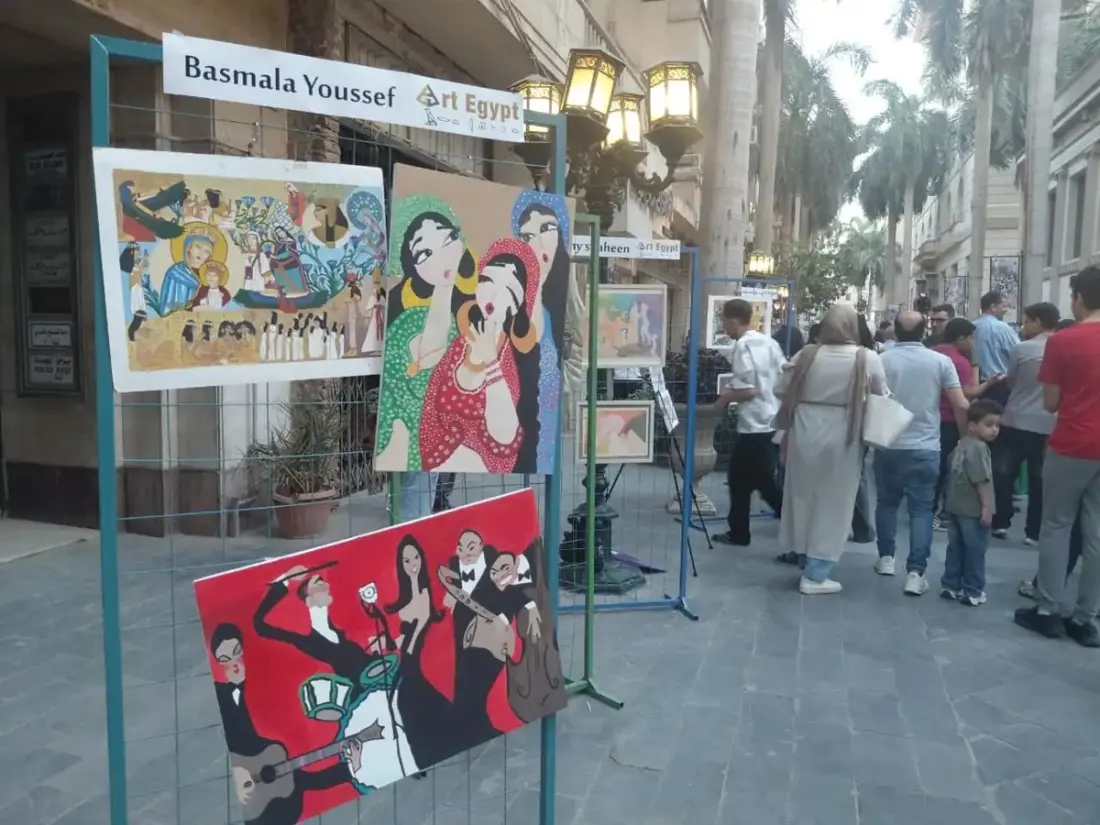
On Thursday evenings, a small triangle of pavement in downtown Cairo turns into an open-air theatre. Singers, puppeteers, poets and painters take over Al-Sherifein Street and the Borsa Triangle for nothing more than the price of walking past. The programme, Street of Art, is a joint effort between the Cairo Governorate and the Academy of Arts under the Ministry of Culture, and it has been running weekly since its launch on 21 May.
Performances run Thursday to Saturday, 6 p.m. to 9 p.m., and the range is wider than you might expect: traditional takht music ensembles sit alongside opera, musical theatre, dance, caricature and live painting. Prime Minister Mostafa Madbouly turned up for the launch as part of a tour of downtown revival projects, which tells you this is as much about urban regeneration as it is about culture.
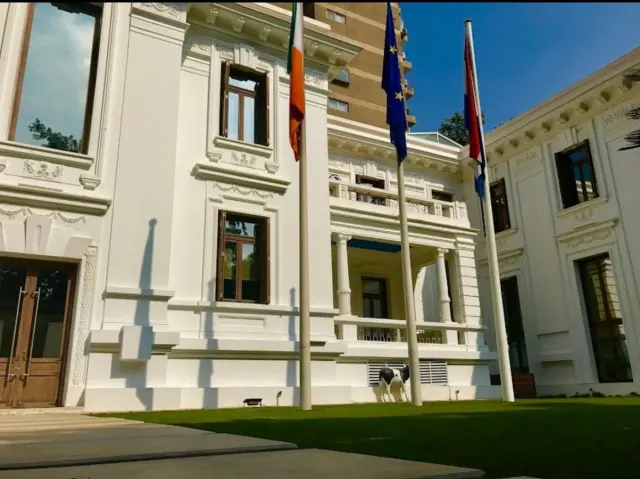
The street itself is part of the story. It was renovated and partially pedestrianised in June as a centrepiece of the government's plan to restore historic Khedival Cairo, the elegant but faded quarter of old banks and early 20th-century buildings at the heart of the city. The idea began smaller: a January open-air art studio on the same pavement, run with Helwan University's Faculty of Fine Arts, proved there was an appetite. Now it sits inside a broader protocol that also includes music kiosks in public parks and a training centre preparing young artists for professional work.
Organisers insist none of this is new-fangled. Nabila Hassan, president of the Academy of Arts, frames it as a return to tradition — Egyptian art has always lived in the street, from folk singing to puppet shows and storytelling. The practical appeal for visitors is obvious: no tickets, no queues, no dress code. You can be browsing downtown's bookshops or coffeehouses and simply stumble into an audience.
The experiment is spreading. Alexandria's historic Nabi Daniel Street has already joined, and in August the governor announced a second edition on the Magra El-Oyoun aqueduct, with hopes of reaching more neighbourhoods. An eight-week run of events in July also celebrated standout performers, with officials crediting the programme for surfacing new talent. The open question, as local coverage notes, is whether it eventually reaches Cairo's outer districts — where cultural venues are scarcest — or remains a polished drawcard for the restored centre.
For travellers, this is a rare chance to see Cairo's contemporary creative scene outside a museum or ticketed show. Downtown Cairo is having a moment: restored facades, classic cafés, and now free performance three nights a week. Time your visit for a Thursday evening, wander in, and you'll get something no itinerary can book — an Egyptian city reclaiming its streets as a stage.