Spain's cost of living is still climbing at its fastest pace in more than three years, and travellers planning a trip to the country should pay attention: holidays themselves are one of the categories pushing prices up.
Preliminary figures from Spain's National Statistics Institute (INE) put annual inflation at 4.9% in October, unchanged from September and the highest since February 2023. Prices also rose 0.6% month-on-month — double September's increase and the ninth consecutive monthly rise. Core inflation, which strips out energy and fresh food, held at 3.1%, its highest level since March 2024.
So what's driving it? The push and pull is uneven. Motor fuel prices fell during the month, helping hold the headline rate down, while food, drink and clothing rose more gently than a year earlier. Working the other way: gas and heating fuels got pricier, and package holidays added upward pressure to the annual comparison — even though their prices actually dipped in October, they fell less than they did the same month last year.
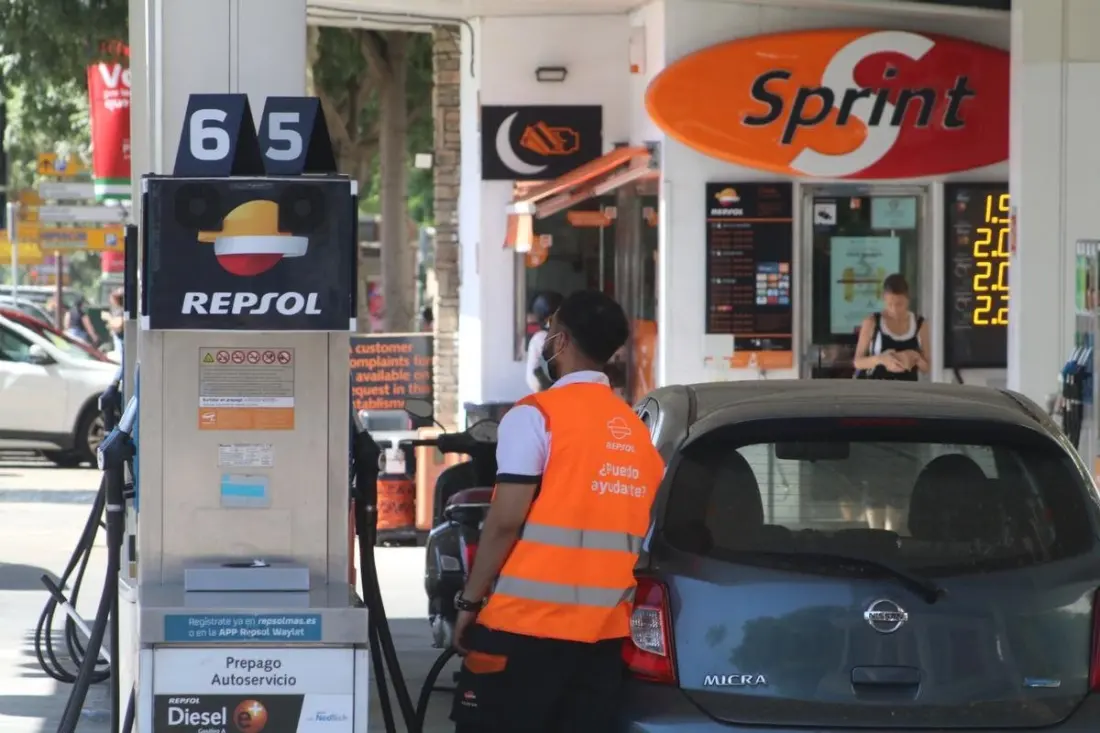
There's a bigger backdrop here. The figures cover the first month of a fresh government support package tied to the economic fallout from the war in Iran, which has kept energy prices elevated and complicated the inflation outlook. As part of the September package, the government cut hydrocarbons tax by 20 cents per litre on both petrol and diesel for October, according to the Tax Agency. Whether that support continues into December depends on the fine print: the discount is designed to stay in place for any fuel whose annual price rise exceeds 15% in October, judged on the individual fuel's own inflation rate rather than the headline figure. The full breakdown, due from INE on 13 November, will show how much of the October pause was down to policy and how much to market movement.
Why should holidaymakers care? Two reasons. First, if you're booking a package holiday to Spain, you're booking into a market where those prices are rising faster year-on-year — earlier booking or shoulder-season dates may soften the blow. Second, if you're planning a driving trip, the 20-cent-per-litre tax cut has been directly easing petrol and diesel costs at the pump, though whether that relief extends into December hinges on November's data. Spain's harmonised EU-comparable rate edged down slightly to 4.9%, so the pressure is real but not runaway — a case for budgeting a little more for energy-linked costs this winter rather than cancelling plans.
With the Bank of Spain recently lifting its growth forecast to 2.6% while warning of housing shortfalls and higher energy bills, the country is managing a squeeze rather than a crisis. For visitors, that means Spain remains open for business — just with a sharper eye on fuel, heating and holiday-package line items this season.
Story via Spain in English.