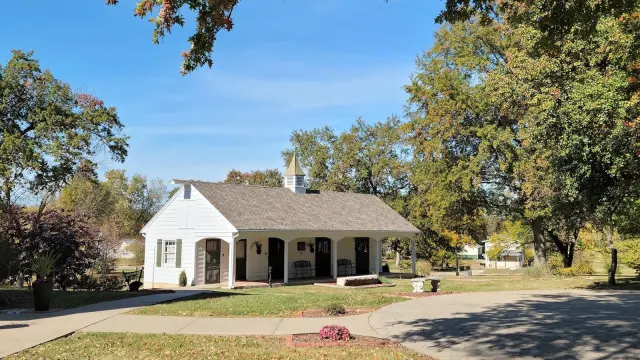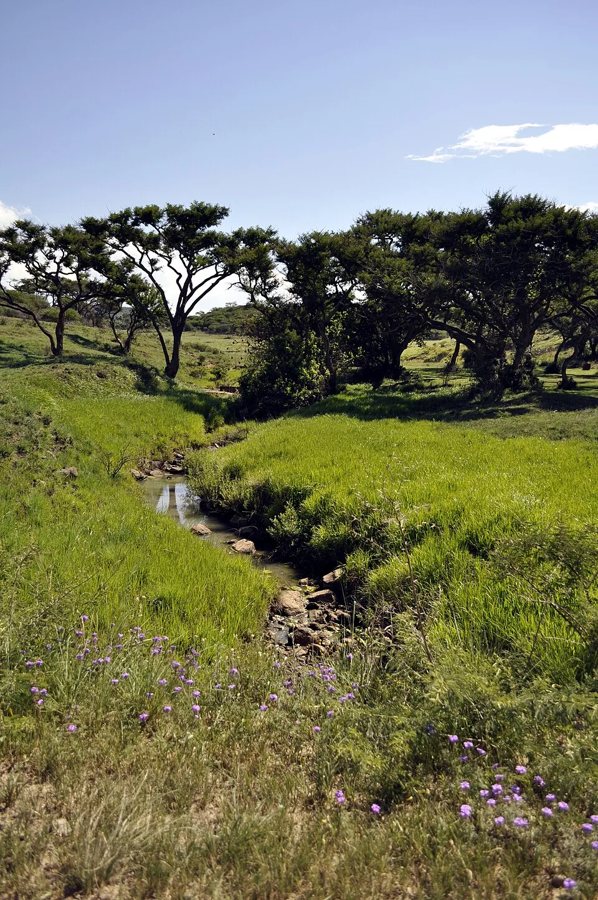
A windswept summit in KwaZulu-Natal looks like prime hiking country — grassland, birdsong, the Drakensberg on the horizon and the Tugela valley spread out below. Then you spot the trenches. Spioenkop is one of South Africa's most evocative battle sites, and more than 120 years on, the earthworks are still carved into the hilltop.
On 24 January 1900, the hill saw one of the bloodiest engagements of the South African (Anglo-Boer) War. British forces seized the summit overnight hoping to break Boer lines and relieve the besieged town of Ladysmith. Daylight exposed their mistake: they held a poorly sited position overlooked by Boer guns on surrounding heights. Major-General Edward Woodgate, who led the occupation, was mortally wounded, and by nightfall the British withdrew. Ladysmith stayed under siege until 27 February 1900. The Anglo-Boer War Museum puts British losses at 322 dead, 563 wounded and roughly 300 missing, against 58 Boer killed and 140 wounded — figures that shift between sources depending on how the missing and wounded are counted.
What makes Spioenkop unusual is how little effort it takes to picture all this. British fighting trenches and burial trenches are still visible, memorials dot the summit, and one area — grimly named the Acre of Massacre — holds graves where many British soldiers were laid to rest. The site was declared a national monument in 1978.
There's more than history on offer. The battlefield sits inside Spioenkop Nature Reserve, a stretch of grassland and thornveld rising between roughly 1,070 and 1,210 metres, and recognised as an Important Bird Area — Cape vultures and bearded vultures have been recorded here. From the top, the view over the Tugela valley with the Drakensberg behind makes the hill's strategic value obvious in a way no museum display can.
You can walk the summit on your own, but the site rewards a specialist guide. The KwaZulu-Natal Battlefields Route lists guides covering Spioenkop and Ladysmith who can explain who held which trench, where the Boer guns were and how the day unfolded — context that turns a grassy hollow into something far more immediate. The battlefield forms part of the wider Battlefields Route, which threads together sites from Zulu, Boer and British conflicts across the province.
Practically speaking: wear proper walking shoes, carry water, and budget a couple of hours to wander rather than just snapping the view. Spioenkop pairs naturally with Ladysmith itself and other stops along the route, and the reserve adds game viewing and birding to the itinerary. It suits travellers who like their scenery with substance — history that isn't behind glass, but under your feet.
Getaway South Africa