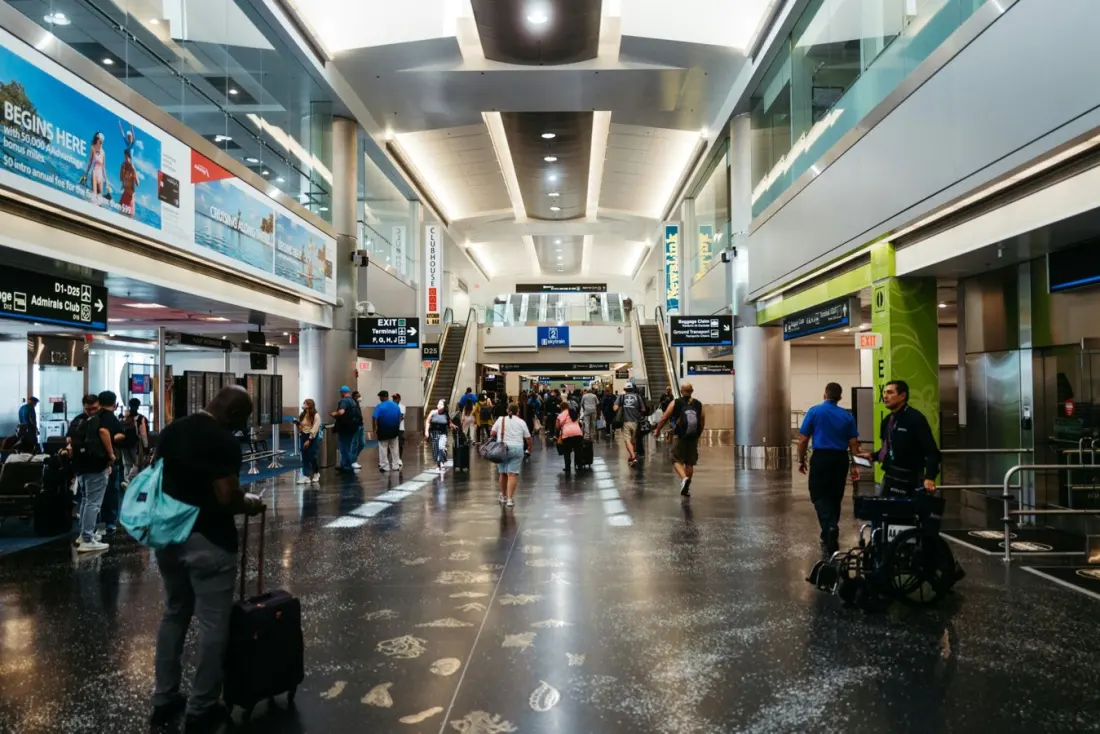
A routine arrival from Havana took a strange turn at Miami International Airport when US Customs and Border Protection officers arrested a man carrying ten live songbirds in his underwear. Alberto Hernandez Castillo, a Cuba-born legal permanent resident of the United States, had landed on 4 October 2026 on World Atlantic Flight 503 from Havana when officers pulled him aside for a secondary inspection.
Two things raised flags. Castillo appeared nervous, and he had what officers described as an unexplained bulge around his pelvis and waist. Asked to complete a Customs Entry Declaration form, he stated he was carrying just one bag and a fanny pack — and explicitly declared he was not bringing any animals into the country. He then signed the form.
Escorted to a private area for a pat-down, Castillo was found to have six plastic tubes sewn into his underwear, wrapped in tape, with black mesh over the openings to let air through. Inside were ten live birds: eight yellow-faced grassquits and two blue grosbeaks. When confronted, he claimed the birds were for personal use, then declined to answer further questions.
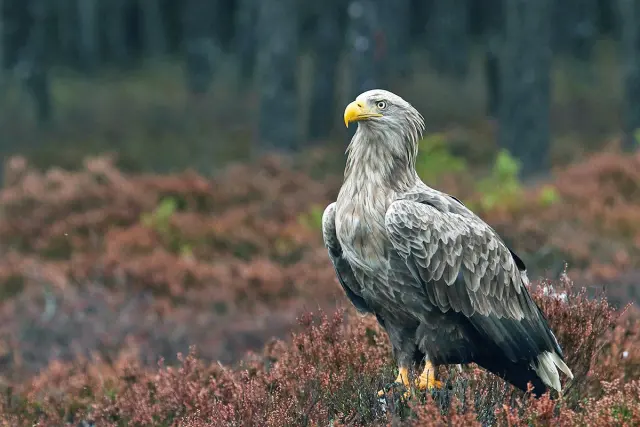
The species matter here. The blue grosbeak is a North American songbird protected under the Migratory Bird Treaty Act of 1918, meaning it cannot be transported without a permit. Both species are prized in the illegal bird trade, which is why federal investigators charged Castillo with smuggling wildlife — both for the false declaration and for failing to obtain clearance from the US Fish and Wildlife Service. He appeared in Miami federal court, was released on a $25,000 personal surety bond, and his arraignment is set for 26 October 2026.
Why should travellers care? First, it's a reminder that customs declarations are legal documents. Ticking the wrong box — or in this case, signing a form claiming you have no animals while carrying ten of them in your trousers — turns a holiday hiccup into a federal charge. Wildlife rules are strict and enforced: protected species, live animals, and even some foods and souvenirs can trigger serious penalties at the US border, and secondary inspections happen more often than most passengers realise.
Second, if you're flying into Miami from the Caribbean or Latin America, expect thorough checks. MIA is one of the busiest gateways for arrivals from Cuba, and CBP officers there are well practised at spotting unusual passenger behaviour. It's also a window into a genuine problem: songbird smuggling from the Caribbean into South Florida is an ongoing issue, driven by demand for caged birds. Conservation groups and border authorities alike would rather travellers know what's at stake — for the birds, many of which don't survive transport, and for the people caught carrying them.
The takeaway is simple: declare everything, know the wildlife rules before you fly, and leave the finches at home.