What happens when you hand a 500-year-old neighbourhood a calendar full of coffee festivals and gaming tournaments? In Jinjiang, a city in Fujian province in south-east China, the answer is crowds of up to 60,000 visitors a day during public holidays.
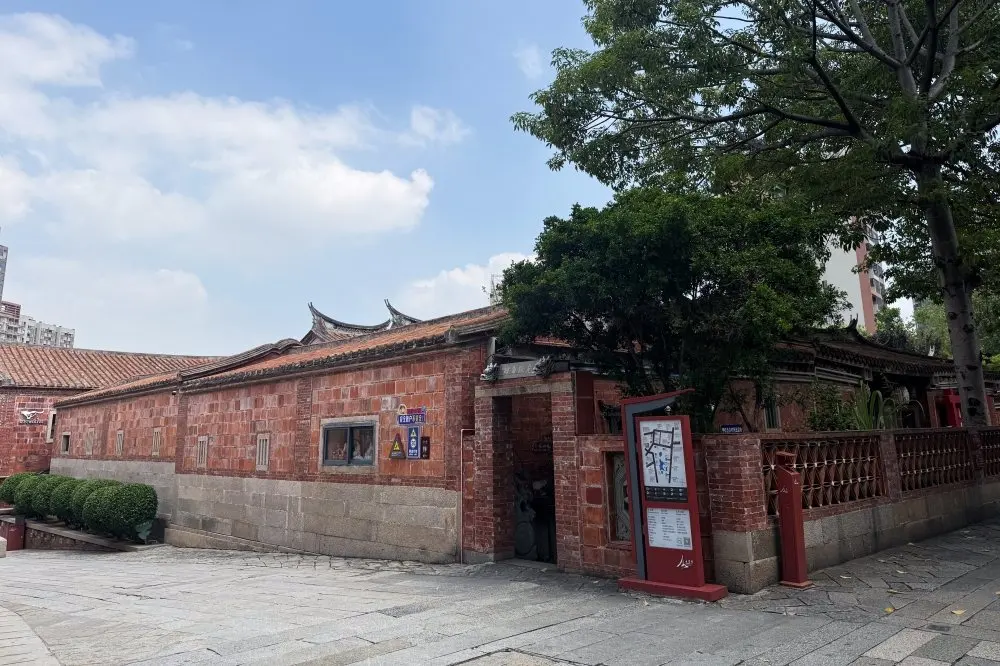
The Wudianshi Traditional Blocks is a historic cultural district often described as a living museum of architecture. It holds more than 130 historic buildings, with red brick walls and the distinctive swallowtail roof ridges typical of Minnan architecture. Ancestral halls and villas across the district trace centuries of migration and cultural exchange — some villas even mix South-east Asian and European design details with local styles, a legacy of the area's overseas Chinese connections.
But the district isn't content to be a static postcard. Its managers have layered on intangible cultural heritage performances alongside modern lifestyle events: coffee and bakery festivals, plus e-sports tournaments including the National Electronic Sports Tournament, all hosted within the old blocks. The strategy appears to be working — the spokesperson cited by visiting Asean journalists said holiday crowds regularly hit 50,000 to 60,000 a day, many of them young visitors.
The investment behind it is substantial: nearly one billion yuan has gone into developing the district, with officials emphasising social benefit and cultural education over pure commercial return. The old houses aren't roped off as museum pieces — they double as spaces where younger generations can learn Minnan culture and architecture up close.
For travellers, the practical part is simple: entry is free, and the district is open to the public. It makes an easy add-on to a Fujian itinerary — Jinjiang sits just south of Quanzhou, the UNESCO-listed port city, and Xiamen is nearby too.
Wudianshi is a good case study in what heritage tourism can look like when it stops treating visitors as passive observers. You can spend the morning studying swallowtail ridges and ancestral halls, then catch a heritage performance or a gaming tournament in the same afternoon. For anyone who finds traditional historic districts a bit sleepy, this one is deliberately not that. Details come via a recent two-week Asean media programme in China, reported by Bernama through Malay Mail Life.