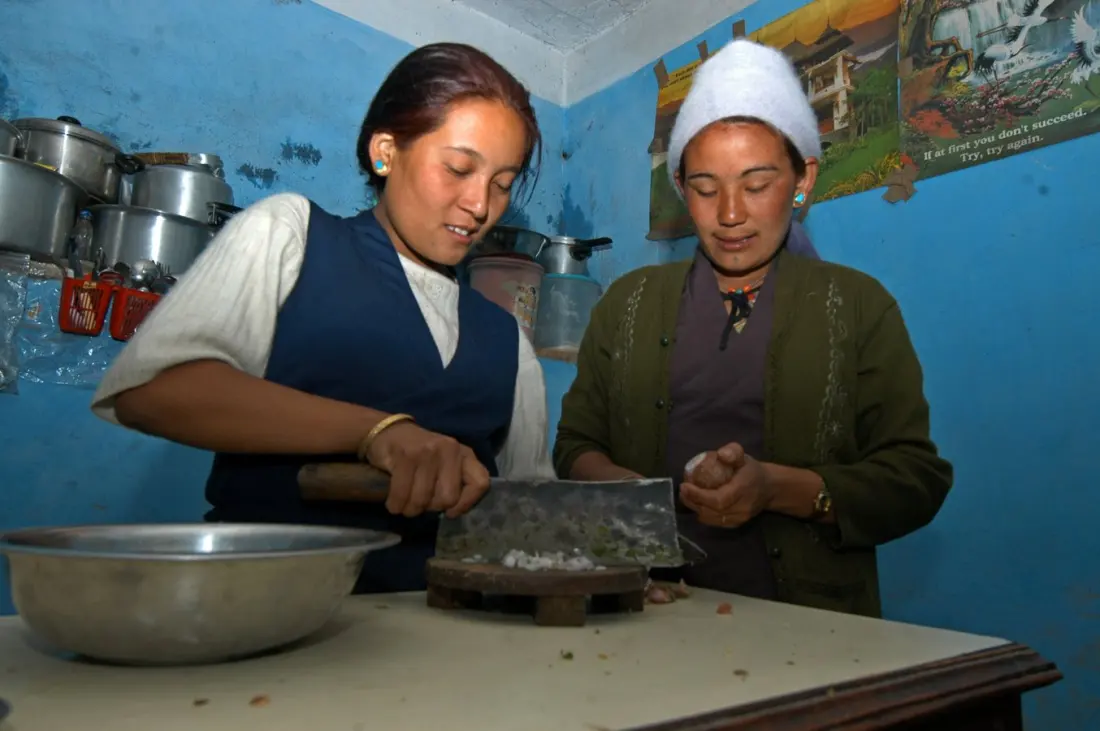
In 2004, a journalist trekking to the then-roadless Rasuwa border crossing with China met two women on the trail near Timure: Panjom and Kippa. Twenty-two years later, after a catastrophic flash flood tore down the Bhote Kosi, he went looking for them. Only one was alive.
The flood struck on 26 August, on a bright morning after days of heavy monsoon rain. Kippa, a local woman, had just dropped off a bag of apples at her best friend Panjom's house — Panjom ran a small restaurant and was busy cooking breakfast for guests. Minutes later, Kippa's phone lit up with warnings about a flood on the Bhote Kosi. She had seen a big flash flood the previous year and thought this one would pass.
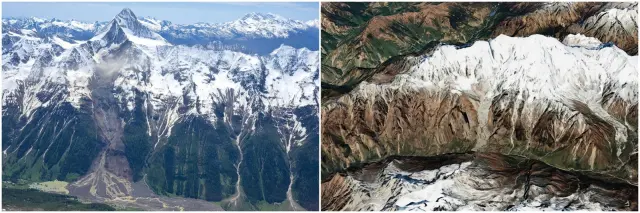
It didn't. What came down the narrow valley was barely water at all — a brown wall of boulders the size of houses, uprooted trees, buses, jeeps and chunks of a concrete bridge. The entire town of Timure was swept away. Kippa lost her husband, her parents, her in-laws, brothers-in-law, nephews and nieces. Panjom and everyone in her house were killed too. Kippa ran uphill in a daze, fainted in the forest above the village, and was rescued nine hours later, flown by army helicopter to Dhunche and eventually treated in Kathmandu. Of her whole family, only her six-year-old daughter survived.
There's a poignant historical footnote here. When the writer first met Kippa, he was startled that her surname was Shrestha — a Newar name from the Kathmandu Valley. Her ancestors had been exiled to Nagarkot and fled to Rasuwa eight generations ago after the Gorkha conquest of Kathmandu. Her grandparents still spoke Nepal Bhasa; Kippa no longer understood it. Remote border villages in Nepal carry layers of history that most trekkers never hear about.
Timure sits on the route to Kerung (Gyirong), the main overland crossing between Nepal and Tibet. Two decades ago it took days of walking to reach; today a road runs to the border, and the town lived largely on cross-border trade and trekkers heading toward Langtang. Its destruction is a stark reminder of why the Himalayan monsoon season is risky in Nepal's river valleys — glacial melt, steep slopes and saturated ground can turn an ordinary rain-fed river into a debris flow with almost no warning.
For travellers, the story is a reason to treat Rasuwa and the Langtang region with both care and respect: check trail and weather conditions locally, avoid camping on riverbanks during the monsoon, and know that mountain communities here have deep, complicated roots worth asking about. The region is gradually reopening as roads and bridges are rebuilt, and tourism is one of the few ways displaced families like Kippa's can rebuild an income.
Kippa herself now lives in a monastery shelter in Kathmandu, unsure how long she can stay there and with nothing to return to in Timure. Her survival — and her memory of a chance meeting 22 years earlier — is about all that remains of the town.
Reporting by Nepali Times.