Türkiye's 2027 central budget proposal sets aside more than TL 1 trillion — roughly $20.2 billion — for transportation and logistics, a jump of about 35.5% from the nearly TL 778.5 billion allocated this year. For anyone planning to travel around the country, the headline takeaway is clear: the biggest slice is going to railways.
Rail transportation gets TL 514.9 billion in the proposal, up around 36.5% from about TL 377.2 billion this year. Road transport comes second at TL 482.45 billion, a 32.1% increase from TL 365.15 billion. Information and communications funding rises nearly 39% to TL 32.33 billion, while the combined budget for combined transport, logistics and dangerous goods climbs 21.3% to TL 7.3 billion.
The standout percentage belongs to maritime: a budget of roughly TL 7 billion this year is set to leap 166% to over TL 18 billion next year — a signal that ports and ferry links are getting serious attention. Transport and Infrastructure Minister Abdulkadir Uraloğlu said priorities include making better use of existing infrastructure, boosting railway capacity, developing port and logistics facilities, and better integrating different modes of transport. "We will further expand our railway investments to weave our country together with railway networks," he said.
The minister noted the ministry's share of 2026 investment funding is around TL 525 billion, with projects inaugurated or opening this year worth over TL 605 billion — and hinted that several will open to the public before the end of the year. Spending will span roads, rail, aviation, maritime and communications without interruption through 2027.
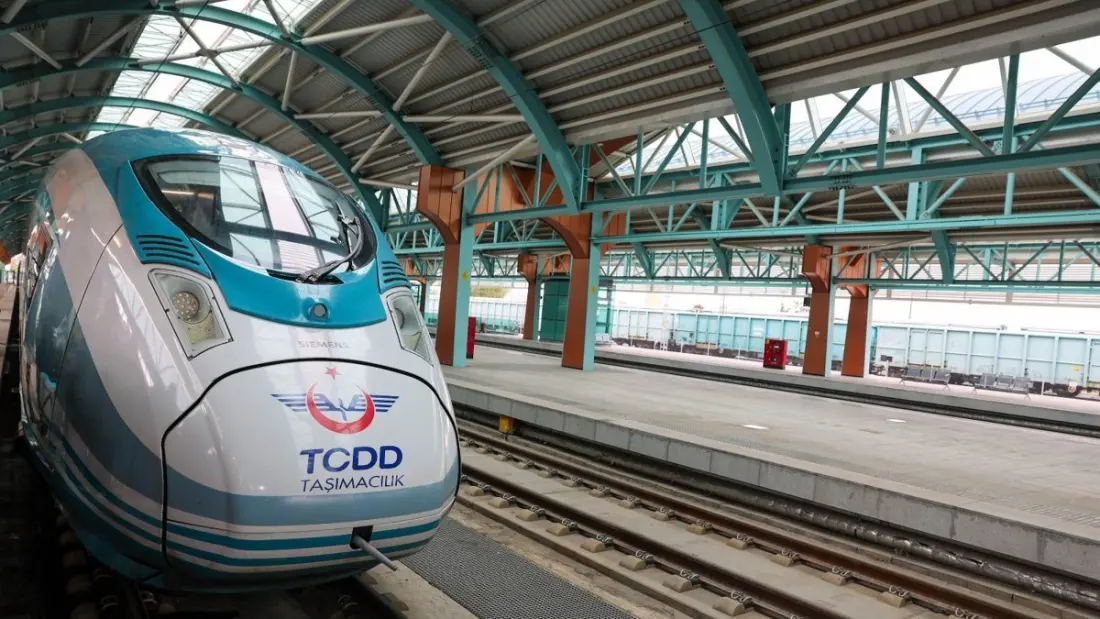
Why should travellers care? Because budgets eventually become timetables. Türkiye has already been quietly building out high-speed rail — Ankara to Istanbul is the flagship, with lines toward Ankara–Izmir and Ankara–Sivas expanding the network — and this budget suggests more of that, plus improved roads and potentially better ferry connections. For visitors, that means cheaper and often faster options than domestic flights for intercity trips, and a country that keeps getting easier to explore beyond Istanbul. The heavy maritime bump is one to watch too: better port infrastructure could mean smoother ferry travel along the Aegean, Marmara and Black Sea coasts in the years ahead.