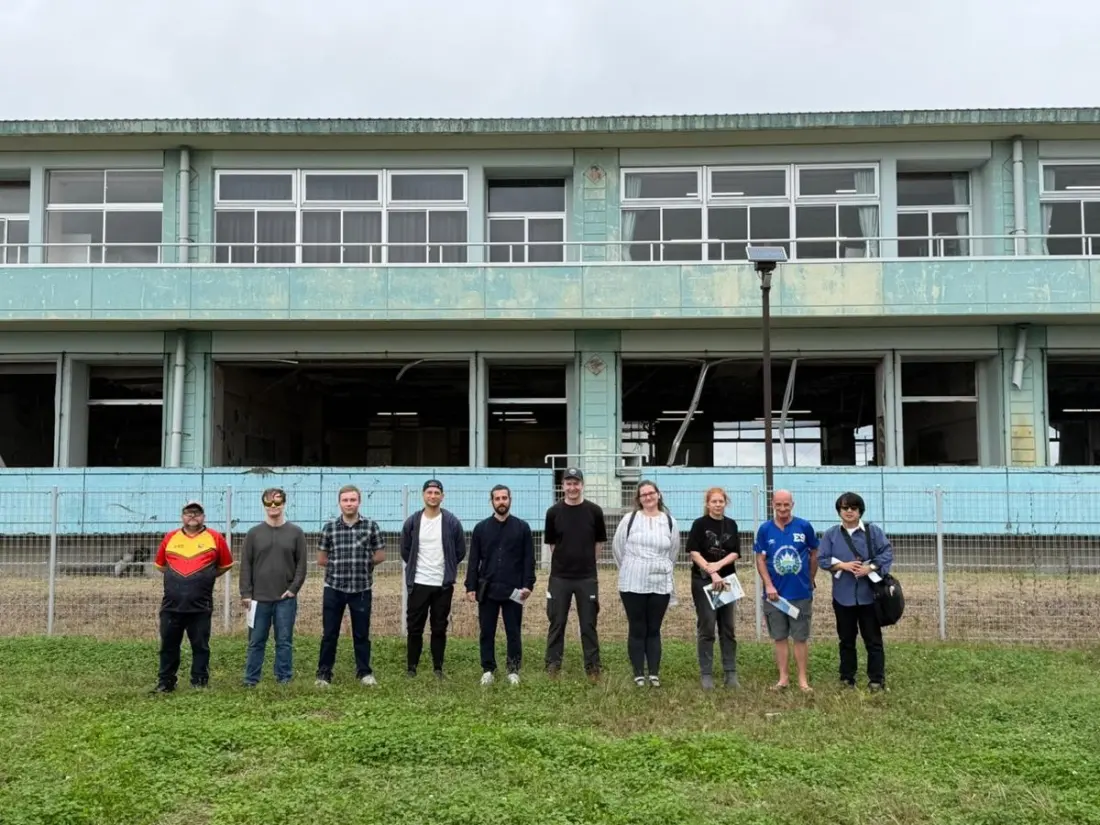
The single-storey building looks ordinary from the outside. Step inside Ukedo Elementary School in Namie, Fukushima, and you're standing in the exact state it was left at 3:37 pm on 11 March 2011 — around 50 minutes after the magnitude 9.0 Great East Japan Earthquake sent a tsunami crashing into this coastal town. The school has been preserved as it was that day, and it's become one of the most moving sites on any Fukushima disaster-tour itinerary.
The story behind the building is extraordinary. Ukedo Elementary dates back to 1873; the current structure was completed in 1998, sitting just 300 metres from the sea and roughly five kilometres from the Fukushima Daiichi Nuclear Power Plant. On the day of the quake, 83 pupils from second to sixth grade were inside — the eleven first-graders had already gone home. Teachers first moved children to the school grounds, but with tsunami warnings sounding, they decided to push on to Mount Ohira.
Here's the twist: the teachers didn't really know the way. The children did, because it was where they played. So the pupils led the staff uphill, older kids carrying younger ones, with one teacher carrying a disabled child on their back. All 83 pupils and 13 staff survived. Elsewhere in Namie, 127 people died in the tsunami and 27 went missing — many of them locals who stayed too long.
A visit starts with an explanation and video, and ends with a small gallery, but the heart of it is walking through the damaged classrooms and corridors themselves. It takes about an hour. Admission is cheap — ¥300 for adults (around US$2), ¥200 for high schoolers, ¥100 for younger students, and free for preschoolers. The school is open 9:30 am to 4:30 pm, with last entry at 4:00 pm. It closes on Tuesdays (unless that's a public holiday) and over the New Year period from 28 December to 4 January.
Getting there takes some planning. You'll need a tour or your own vehicle, as the school sits near Futaba among the other key disaster sites — the Fukushima museum, the Futaba Business Incubation and Community Center, and other preserved tsunami-damaged buildings. The nuclear plant itself is close by but requires special permission to enter, which some tour operators can arrange.
For travellers, Ukedo isn't a casual stop; it's the single best place to grasp both the scale of the 2011 disaster and the story of survival at its centre. Combine it with Futaba's sites in a single day trip, and you'll leave with a much deeper understanding of how Fukushima is rebuilding. Expect it to be sobering — but also, oddly, hopeful.