Digging through old ship manifests and naturalisation papers is a rite of passage for many descendants of Croatian emigrants — and for thousands of them, it ends in confusion. The document says grandpa came from "Austria" or "Italy," so surely the Croatian citizenship-by-descent route is closed? Actually, no. It's one of the most common misconceptions in the diaspora, and it's dead wrong.
Here's the history in brief. Before 1918, Croatia sat inside the Austro-Hungarian Empire, so emigrants from Zagreb, Slavonia, Dalmatia and the islands all carried Austrian or Hungarian paperwork. After the 1920 Treaty of Rapallo, parts of Istria, Rijeka, Zadar and islands like Cres and Lošinj were annexed by the Kingdom of Italy — locals became legal Italian citizens, Italianised their names, and emigrated under Italian documents. From 1945 to 1991, everything was folded into Yugoslavia. Croatia only became the independent republic it is today on 8 October 1991.
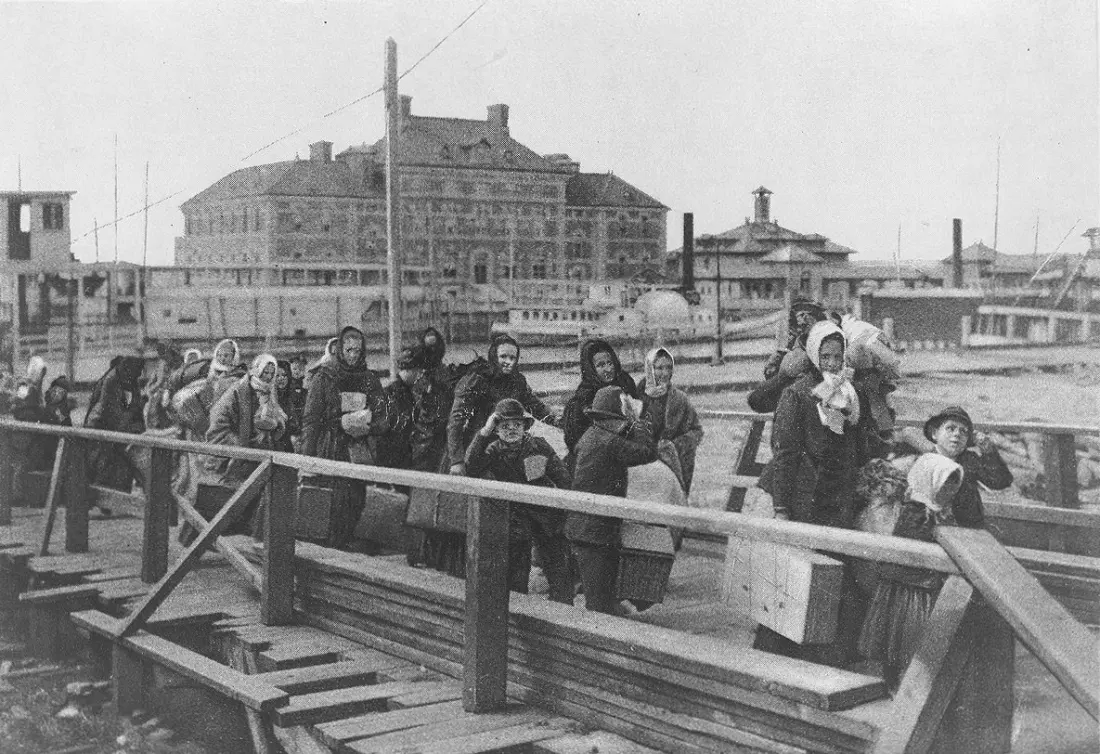
What matters to Croatia's Ministry of the Interior isn't what an Ellis Island clerk scribbled in 1912 — it's geography. If the village your ancestor left sits within Croatia's modern borders, the bloodline link remains valid, regardless of which empire issued the travel documents. Someone born near Split in 1905 was technically an Austro-Hungarian subject, but their descendants can still qualify today.
The catch: the burden of proof is entirely on you, and this is where DIY applications tend to stall. You need two things. First, a registry match — the original birth or baptismal record located in the local municipal registry or church archive in Croatia. Second, identity reconciliation — proof that "Giovanni" on an Italian emigration paper from Istria is the same human as "Ivan" in the village records. Families from areas that flipped between Italian and Slavic administration face the messiest trail: archives split across jurisdictions, documents in Latin, Italian or old Croatian script, and surnames that changed beyond recognition.
For applicants working from North America, South America or Australia, this often means the application gathers dust in a consular pile. Specialist services (the source article plugs one called Croatian By Descent, working with lawyer partners on the ground) essentially act as archival detectives, cross-referencing land records and municipal books to build a clean geographic case for the ministry.
Why should a traveller care? Because Croatian citizenship means an EU passport — the right to live, work and retire anywhere in the Union, plus visa-free ease of travel. If your family story involves Dalmatian ports, Istrian hill towns or a surname that shifted spelling somewhere along the way, don't let a century-old imperial label talk you out of checking your eligibility.
And once the paperwork is done, there's a coast of islands, Roman ruins and peka-grilled lamb waiting to be reconnected with — now as a citizen rather than a tourist.
Full story via Total Croatia.