The drive from Ho Chi Minh City to Da Lat is famously beautiful and famously slow — six-plus hours of winding National Highway 20. That could soon drop to roughly three, thanks to a new 66-kilometre link that Lam Dong officials have just moved closer to reality.
At a September 14 appraisal meeting, Lam Dong's provincial leaders reviewed revisions to the Tan Phu – Bao Loc Expressway, a piece of the wider Dau Giay – Lien Khuong corridor. The route runs about 65.88 km, mostly through Lam Dong (53.97 km) with a short stretch in Dong Nai (11.91 km), connecting the Dau Giay – Tan Phu Expressway to Bao Loc. It's a Group A, Grade I project with an 80 km/h design speed, built under a BOT model and pencilled in for completion in the fourth quarter of 2027.
The notable decision from the meeting: instead of the original plan to open with four lanes on a 17-metre roadbed and widen later to 22 metres, the council favours building the full width from day one. Phased construction would mean tearing up and rebuilding culverts, underpasses, slope reinforcements and signage along the way — repeated disruption, safety risks and higher overall costs. Going full-scale upfront is estimated to save around 422 billion VND (roughly $16.8 million).
Ground was broken on December 19, 2025, and the project needs about 500 hectares of land, most of it in Lam Dong. Once open, the expressway should take serious pressure off National Highway 20, a road notorious for weekend bottlenecks as Saigon's city dwellers flee to the cool highlands.
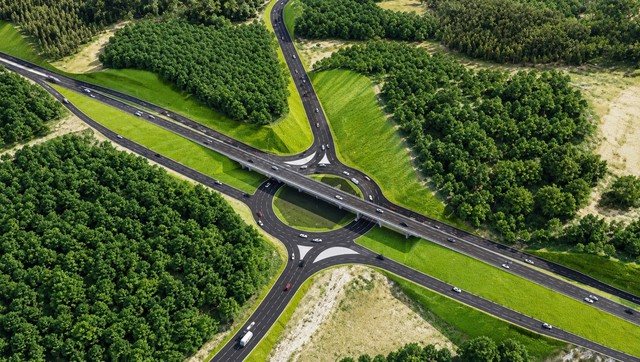
For travellers, the appeal goes well beyond speed. The route threads through forested hills and Lam Dong's highland terrain — it's already being called Vietnam's "most scenic forest expressway." A three-hour city-to-pine-country trip makes Da Lat a far more realistic weekend escape, and opens up Bao Loc and southern Lam Dong as stops in their own right: think tea and mulberry country, waterfalls and quieter hill towns that most visitors currently skip because the drive is too long.
If the 2027 timeline holds, expect HCMC-based tour operators to push two- and three-day highland itineraries hard, and for roadside stops along the new corridor to spring up quickly. Until then, the existing highway route remains the way to go — slower, but with plenty of roadside coffee.