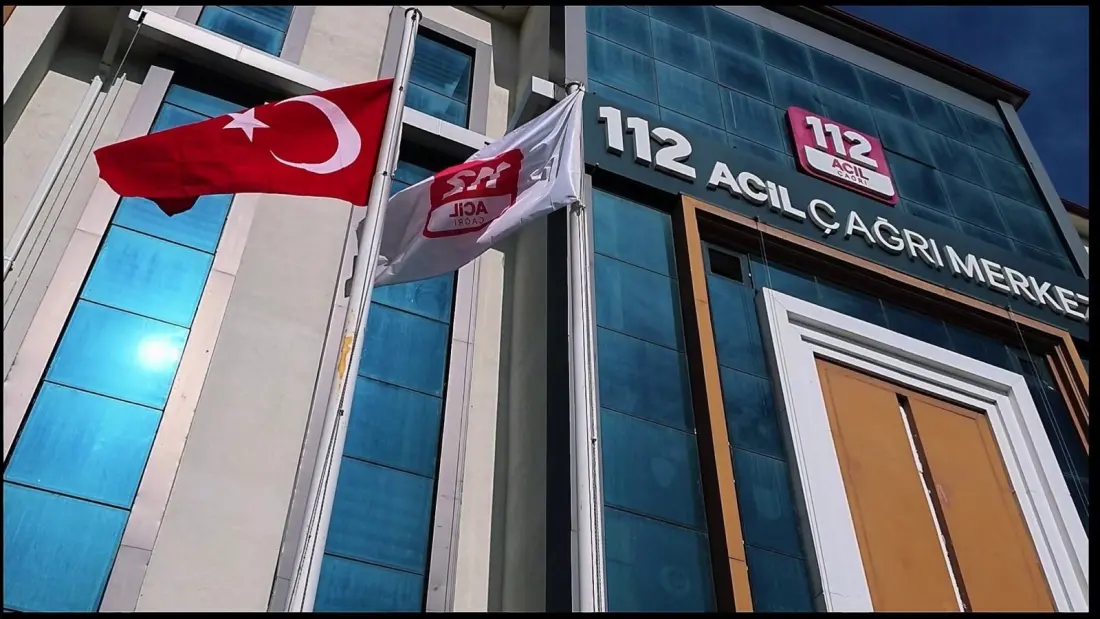
If you've ever wondered what happens when you dial 112 on holiday in Türkiye, the answer is about to get faster. The government has created a new General Directorate of 112 Emergency Call and Coordination under the Interior Ministry, announced via presidential decree in the Official Gazette, with the explicit goal of cutting response times and modernising the technology behind the country's single emergency number.
The scale of the operation is bigger than most visitors realise: the 112 system handles close to 100 million calls a year and coordinates more than 31 million incidents, run by roughly 15,000 staff. It started in Antalya back in 2009, when several separate emergency numbers were merged into one, and only reached full national coverage across all 81 provinces at the end of 2023.
Under the restructuring, provincial 112 call centres are being turned into independent directorates answering directly to provincial governors, rather than sitting inside a central department. The new national directorate will set shared standards, coordinate between agencies — police, health, fire, disaster response — and oversee upgrades to switchboards, communication systems and the national operations centre. There are also plans for AI-assisted decision-making tools, big data infrastructure and a dedicated cybersecurity and disaster recovery centre, plus regular drills and staff training to keep quality consistent.
For travellers, the practical bits are already useful and should only improve. The 112 service works by voice call but also via SMS, web-based reporting, the Hayat 112 and Engelsiz 112 apps, and AFAD's Acil application — handy in a country prone to earthquakes, where phone lines can be congested. Crucially for visitors, operators handle calls in Turkish, English, German, Arabic and Russian, so a medical emergency or accident report doesn't have to be conducted in broken phrasebook Turkish.
Anyone who has travelled through Türkiye recently will know the 112 system already works reasonably well — the point of this change is consistency and speed, especially during mass-casualty events, wildfires and earthquakes where coordination between agencies has historically been the weak link. A single national body setting standards, with provincial centres tied directly to governors, is designed to cut the handover delays that can cost precious minutes.
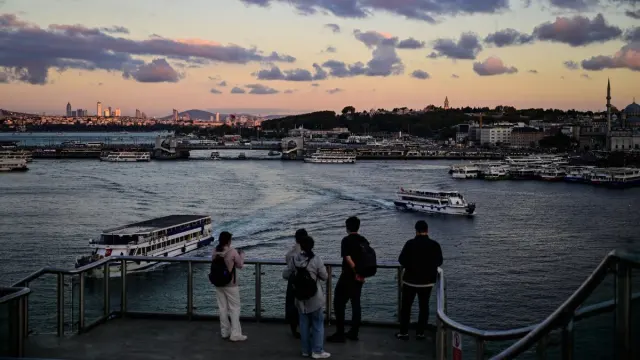
Why should a holidaymaker care? Because knowing how emergency services work is part of smart trip planning. Türkiye welcomed record visitor numbers in recent years, spanning Istanbul city breaks, Aegean and Mediterranean beach resorts, and Cappadocia's balloon country. With one number to remember (112), multilingual operators, and app-based reporting options that work even if you can't explain your location out loud, the safety net for foreign visitors is getting a genuine upgrade — worth a moment's preparation before your next trip.
Daily Sabah Travel