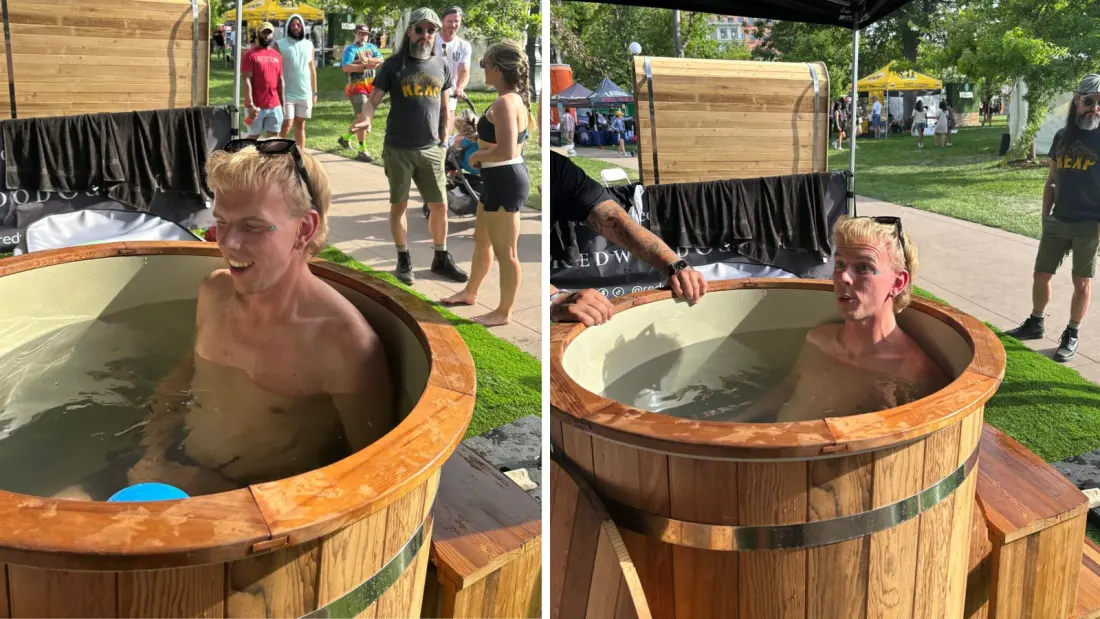
Cold plunges and saunas are having a moment. They're popping up in gyms, hotels, and purpose-built spas everywhere, and social media insists that a few minutes of icy water followed by heat is the missing link between a brutal long run and proper recovery. An Outside Run writer decided to test that claim properly: 30 days of contrast therapy after hard runs, plus conversations with four doctors about what the science actually supports.
The protocol was simple. Two to three times a week, he did three rounds of 10–15 minutes of heat followed by two minutes in cold water, on top of a normal 35-mile training week. He logged soreness, fatigue, pace, and heart rate to see whether feeling better meant running better.
The honest verdict: it depends what you're after. The clearest win was subjective. Sessions consistently left him less sore, calmer, sometimes near-euphoric, and sleeping better on the nights he did them. What didn't move was performance — pace and heart rate stayed flat, and he sometimes felt more tired the next day. One doctor summed up the research neatly: the benefit is real, but it mostly shows up in how recovered you feel, not how fast you adapt.
Timing matters too. Cold water immersion right after resistance training may blunt some strength gains, so experts suggest saving contrast therapy for moments when immediate recovery beats long-term adaptation — back-to-back race weekends, heavy training blocks, or running in serious heat. You also don't need extremes: 50–59°F is a well-studied cold range, and going more brutal than that has no proven upside, only risks like hypothermia and cardiovascular strain. Anyone pregnant or with heart conditions should check with a doctor first.
The writer's bottom line: contrast therapy doesn't replace sleep, smart training, hydration, or good food, and there's no reason to buy a home plunge because the internet told you to. But as a ritual that forces you to stop, breathe, and reset between workouts, it earned its place. And it's a genuine reason to travel — some of the best hot-and-cold setups are destinations in themselves.
Four stood out. Dry Creek Cabin, perched above the Columbia River Gorge near Coyote Wall, is a private recovery retreat with a wood-burning sauna, steam shower, hot tub, cedar soaking tub, and cold-plunge bathtub steps from standout trails. WorldSprings Dallas in The Colony offers more than 40 mineral pools modelled on traditions from Iceland to Japan to the Dead Sea, with hot tubs around 104°F, plunges near 55°F, and seven saunas including Finnish and Himalayan salt. Circle Wellness, on Vancouver's Granville Island and in Seattle's Fremont neighborhood, runs a fully private circuit — soaking tub, sauna, cold plunge, and a heated riverstone bed to finish on. And CASCADA in Portland's Alberta Arts District has a flexible HydroThermal Circuit with multiple levels of cold, from chilled rainfall to crushed ice.
For runners building a race weekend around recovery — or anyone who wants a spa experience that goes beyond a massage — these make contrast therapy worth planning a trip around.
Story via Outside Online.