A memorable meal in Costa Rica often starts before the menu arrives — at a hand-painted sign, an overflowing garden gate, or music drifting toward the road. A recent piece in Howler looks at restaurant branding across the country and argues that the places that stick with travellers are the ones selling a feeling, not just lunch. Four venues make the case.
In the cool cloud forest of Monteverde, Hotel Belmar and its restaurant Celajes treat their highland setting as the main ingredient. Local sourcing, farm relationships and ecological thinking run through the whole experience, so the misty landscape, the view and the dish blur into a single memory. The catch: menus built on seasonality require kitchen flexibility, since harvests and weather dictate what's possible. The payoff is a story that feels true rather than decorative.
In San José, Sikwa has built a name by putting Costa Rican food traditions and native ingredients front and centre — not as nostalgia, but presented with curiosity and a contemporary restaurant sensibility. The lesson is clarity: you don't need to please every diner, just give people a reason to choose you over convenience. There's a warning attached, too. Concepts rooted in heritage need real research and real relationships; slapping indigenous motifs or language on a menu without context reads as hollow fast.
Also in the capital, Al Mercat shows the quieter side of good branding: reliability. Market-inspired and relaxed enough for a working lunch or a long brunch, it earns repeat visits from locals as much as curiosity from visitors. In a city where restaurants live or die on regulars, that matters more than a photogenic room. Meanwhile Jaguar Negro proves a Costa Rican venue doesn't have to trade in daylight and palm trees — its dark, moody, high-energy atmosphere gives guests a precise expectation of the night ahead, which is exactly what makes them come back.
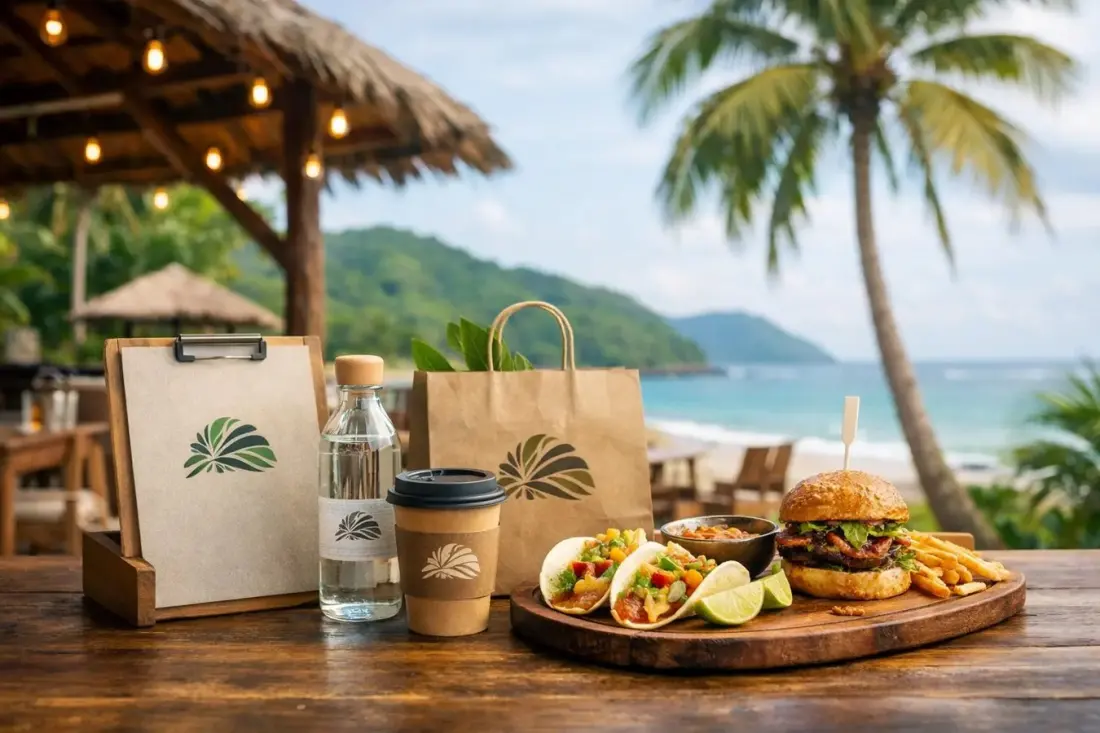
The common thread across all four is that branding is the promise a restaurant makes and keeps. A toucan on a menu means nothing if the experience could belong anywhere. Diners increasingly want proof behind sustainability claims — seasonal purchasing, less waste, fair relationships with producers, refillable water — and they can smell vague green language from a mile off. Honest digital presence matters too: if your restaurant is rustic or intimate, don't market it as something it isn't, because guests judge the brand at the table, not on Instagram.
For travellers, this is genuinely useful. It explains why some roadside sodas and hotel restaurants in Costa Rica feel so right and others feel like a set. When choosing where to eat, look for places that name their producers, adapt their menus to the season, and have a clear point of view — proudly Costa Rican, Afro-Caribbean, produce-driven, surf-casual or quietly luxurious. Those are the meals that end up as the story you tell when you get home.