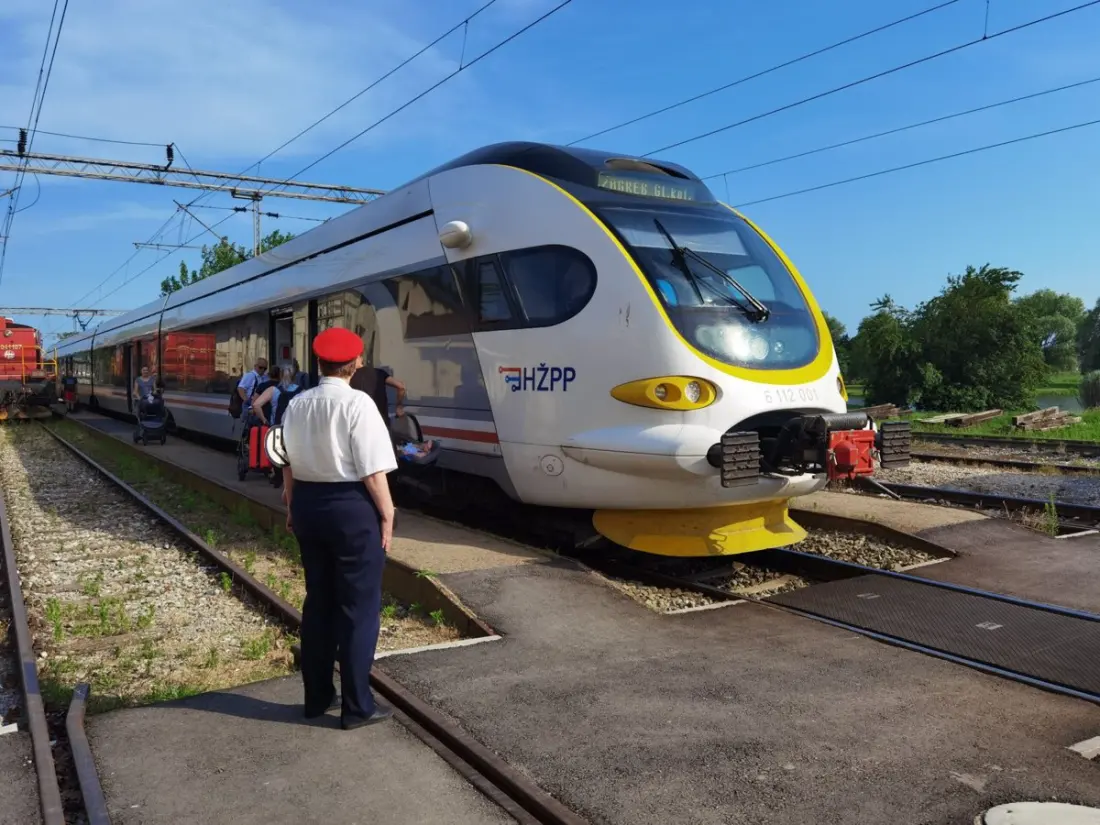
Trains have rolled across Istria since the 1870s, but there's a catch: to reach the peninsula by rail from the rest of Croatia, you have to leave the country first. The line was built by Austria-Hungary to serve its naval base in Pula, routed through Slovenian territory, and no direct connection to the Croatian network has ever been made. A tunnel under Učka has been discussed since 1993 — yet only in May 2026 did HŽ Infrastruktura sign a contract for design work, and a completion date remains anyone's guess.
Today the practical consequences are quirks a traveller can actually feel. A weekend-only train links Zagreb to Pula via Ljubljana, departing Fridays and taking about seven hours, returning on Sundays. Otherwise, you can ride as far as Lupoglav and finish by bus. Much of the network now carries freight and local traffic to Buzet rather than tourists.
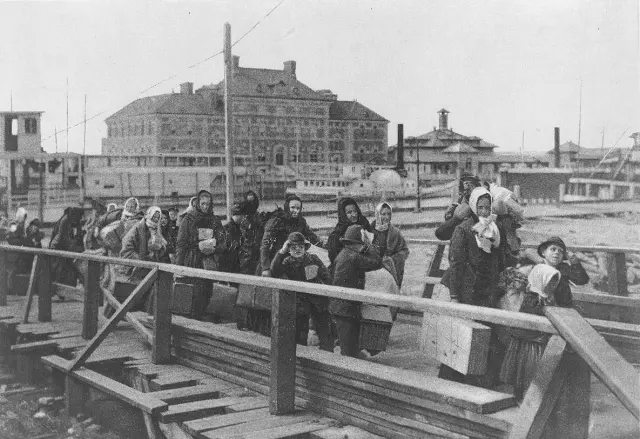
The history is genuinely interesting. Austria-Hungary passed the law in April 1873 and the company Frolich of Graz built the 122-kilometre Divača–Pula line in under three years, with some 20,000 workers and a final bill of roughly 12.76 million florins — under budget. It opened in August 1876, plus a 21-kilometre branch to Rovinj. The route deliberately avoided the coast, out of fear of naval threats from a newly unified Italy. Later chapters include the narrow-gauge Parenzana from Trieste to Poreč, running 1902–1935 and now reborn as a cycling and walking trail crossing three countries, and a discontinued Trieste link that's also a cycle route today.
Rail fans have noticed. Michael Portillo featured Vodnjan station and its working vintage technology in the BBC's "Great Continental Railway Journeys" in 2025, and Pula's Historical and Maritime Museum recently ran an exhibition, "Gremo na makinu!", on the railway's role in Istrian life. A preserved FS 835 steam locomotive sits by Pula's station. HŽ Infrastruktura notes the line is probably the most authentic in Croatia, with the most original station buildings intact — eight stations and 16 stops between the Slovenian border and Pula.
For travellers, this is a slow-travel proposition rather than a fast one. The Zagreb–Pula weekend train is a scenic if lengthy way to arrive, and the Parenzana trail is one of Europe's more charming cycling routes, tracing an abandoned narrow-gauge line through Istrian hill towns. Meanwhile, reconstruction of 50 kilometres of track from the border towards Sv. Petar u Šumi began in 2025, with completion targeted for 2028 — so the ride should gradually improve. Just don't expect a direct train from Zagreb any decade soon. (Source: Total Croatia)