A football night in Split has turned into a reputational problem for one of Croatia's most popular coastal cities. Before the Hajduk Split versus Ajax match, a procession by the Torcida fan group through the city streets saw antisemitic, Nazi and Ustaše slogans chanted, and footage of the incident has since circulated widely across Europe and beyond.
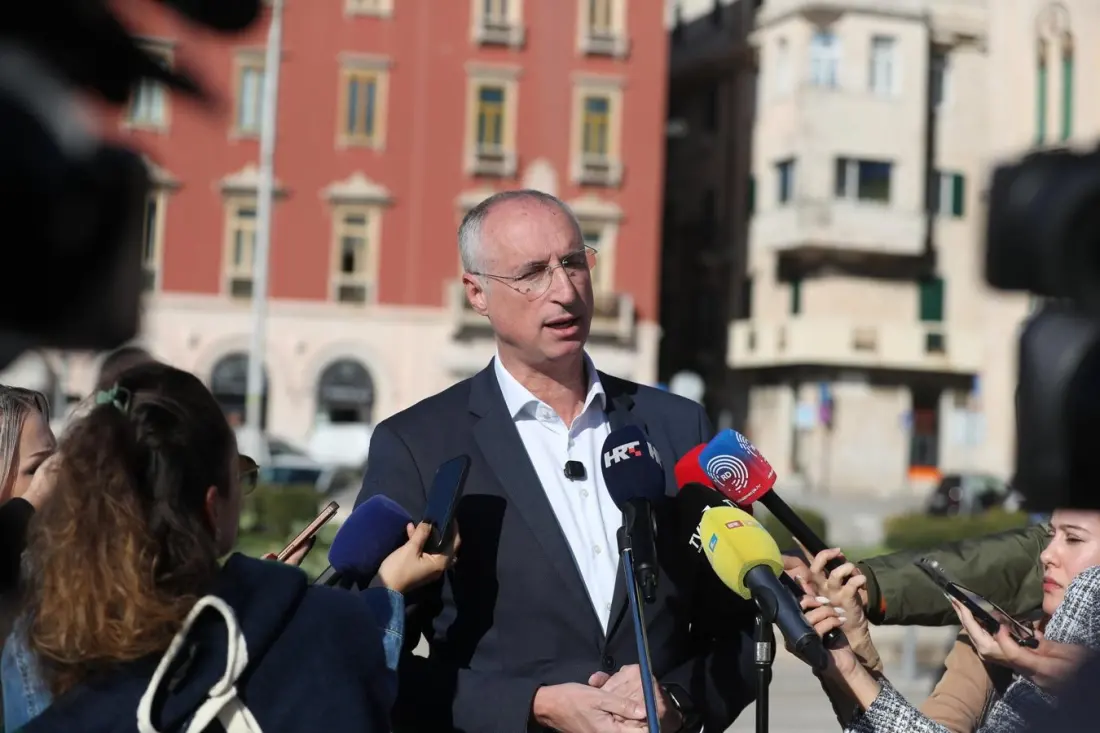
The fallout has been led by an unlikely voice: Ivica Puljak, the former mayor of Split, who said the city has been "disgraced" worldwide and argued that an apology is owed to the Jewish community and to residents who don't want extremists speaking in their name. He was clear that condemnation alone won't stop it happening again. In his view, the problem goes deeper than one Thursday night — he blames years of political tolerance for extremist symbols creeping back into public space, and hinted at possible arrangements between the ruling HDZ party and fan groups ahead of elections. He also tied the incident to a broader critique of clientelism, claiming at least 10,000 managerial public-sector jobs in Croatia exist to serve party needs rather than the public.
Puljak's message mixed apology with a call for systemic change: a "reset" of Croatian society built on science, reason and humanism, symbolised by his party's broom — sweeping out clientelism, corruption and tolerance of hatred. "Those who shouted through Split were not defending Croatia, nor Christianity, nor humanism, but were disgracing all three," he said.
For travellers, the context matters. Split is Croatia's second-largest city and the main gateway to the Dalmatian coast and islands, drawing huge numbers of visitors in summer for its Roman-era old town, ferry connections and beach culture. Football-related unrest involving Ultras groups is a separate world from everyday tourism, but high-profile matches — especially European fixtures involving Hajduk — can bring heavier police presence, street closures and occasional flare-ups in the centre. If you're visiting on a matchday, it's worth knowing which areas around the Poljud stadium and the old town are busiest, and giving organised fan processions a wide berth. For everyone else, incidents like this don't change the daily reality of a city that lives heavily from tourism — but they do shape how locals talk about their home, and how welcoming the atmosphere feels in the weeks that follow.
The story is also a reminder of how fast images travel. A single evening's footage can reach potential visitors across the continent within hours, which is exactly why local politicians are scrambling to distance their city from it. Anyone planning a Croatian holiday this season should simply stay aware around major football fixtures, and otherwise go about enjoying one of Europe's most rewarding coastal cities.