Most passengers expect the captain to radio ahead about weather delays or a medical emergency. On a recent Delta Connection flight, the reason was more unusual: two flight attendants were not getting along, and the situation was serious enough that the flight deck asked supervisors to be waiting at the gate.
The flight, DL5090, was operating from Greenville Spartanburg International Airport in South Carolina to Detroit Metropolitan Wayne County Airport on a Tuesday afternoon when the captain contacted ground operations during the approach. According to air traffic control recordings picked up by aviation outlets, the message was blunt: there were conflict issues among the cabin crew, and the attendants would likely need to be separated to stop things escalating into an incident. The captain asked that inflight management and supervisory staff meet the aircraft on arrival.
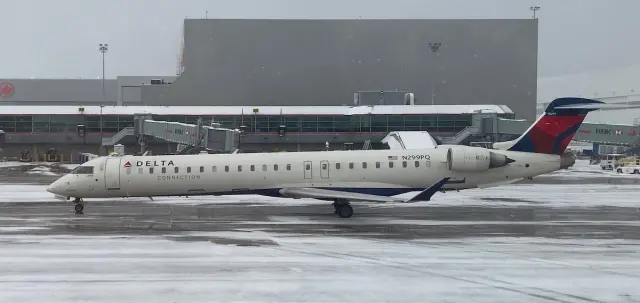
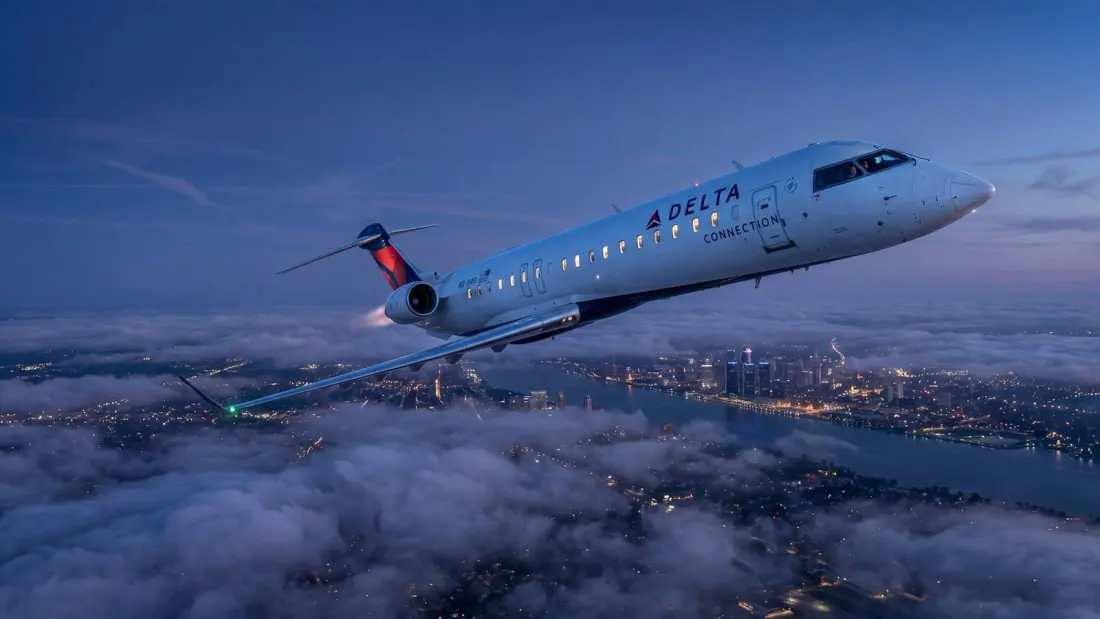
The landing itself was uneventful. The regional jet, a 17-year-old Bombardier CRJ900 operated by Endeavor Air — Delta's wholly owned regional subsidiary — pulled into gate C21, where the requested personnel were waiting. What actually sparked the disagreement has not been made public, and Delta did not immediately respond to requests for comment.
It might sound like minor workplace drama, but the aviation industry treats cabin crew conflict as a genuine safety issue. Attendants are trained to keep personal or procedural disagreements away from passengers and to discuss differences privately. If two peers can't sort it out, the lead flight attendant or purser is expected to mediate. When a conflict starts disrupting operations or creating risk, the captain can escalate further — which is exactly what happened here. Airlines also typically lean on unions and employee assistance programmes to resolve disputes outside of the cabin.
Why does a passengers-care angle exist at all? Because cabin crew are on board primarily for your safety, and anything that compromises their ability to work as a team is taken far more seriously than in most workplaces. The captain's request for a ground meet is a rare and visible example of the escalation chain working as designed: nobody was harmed, the plane landed safely, and the issue was handed to management rather than playing out in front of 76 travellers.
For aviation watchers, the aircraft itself is an interesting footnote. N132EV has been flying since February 2009, starting life with Atlantic Southeast Airlines before stints with ExpressJet and then Endeavor Air in 2017. It's configured with a small first cabin in a 1-2 layout plus Delta Comfort and Main seating in 2-2 — the classic regional-jet setup Delta uses to feed smaller cities like Greenville into hubs like Detroit, where a full-size aircraft wouldn't make financial sense.
The takeaway for anyone who flies regional routes: when crew dynamics go wrong, there's a layered system to catch the problem before it reaches your row — and occasionally, that system involves the captain making an unusual call to the ground.