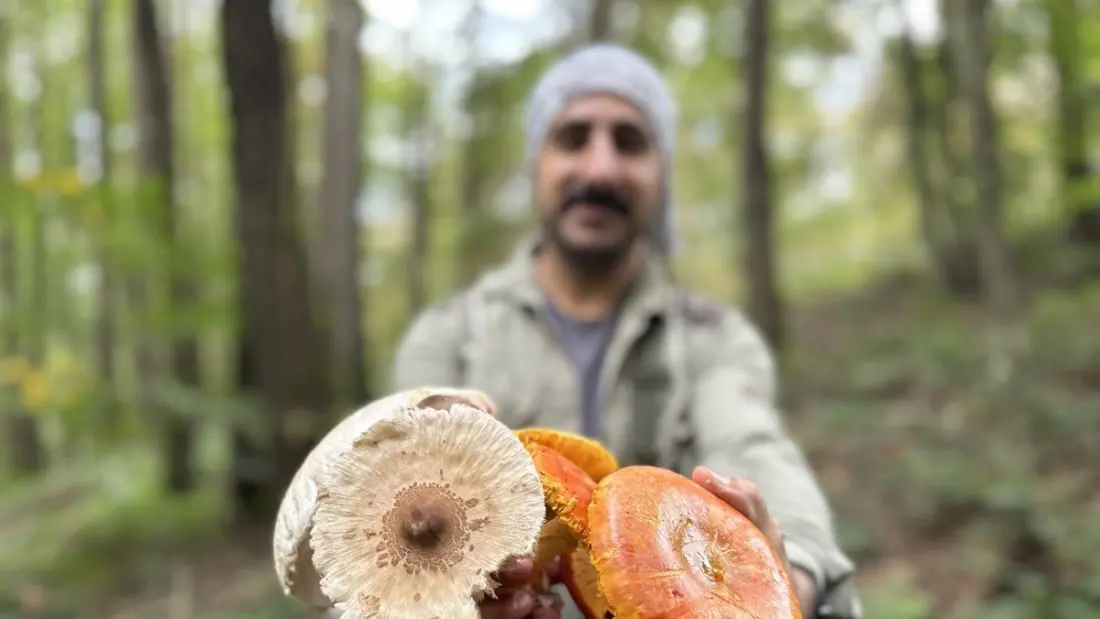
The first autumn rains have done their usual magic in Istanbul's Belgrad Forest, pulling city dwellers out with baskets in hand to forage for wild mushrooms tucked under beech, oak and pine. For locals it's a seasonal ritual and a quick escape from the city, but experts say it's also one of the easiest ways to end up in hospital if you don't know what you're doing.
Ergün Bacak, who heads the Hunting and Wildlife Program at Istanbul University-Cerrahpaşa's forestry school, runs weekend educational tours into the forest. The format is simple: participants get briefed on species and terrain, walk designated routes gathering specimens, then have their baskets inspected at the end — with Bacak flagging anything poisonous or worthless in the kitchen. The goal is public health as much as foraging skill.
The timing is predictable. Mushrooms tend to appear seven to 10 days after the first autumn rains, depending on soil and weather. Early-season finds include Caesar's mushroom (Amanita caesarea) and porcini, while saffron milk caps show up later in the pine forests. Caesar's mushroom has pedigree — it was prized in ancient Rome and named for the emperor himself.
The problem is that edible species have dangerous lookalikes. The death cap (Amanita phalloides) closely resembles safe mushrooms, and its amatoxins cause severe liver damage and fatal poisoning. Symptoms can take six to 12 hours to appear, which delays diagnosis — some poisonings only surface later as kidney or liver failure, when victims don't connect the illness to a meal hours or days earlier. Bacak says two people recently sent him mushrooms after poisoning symptoms set in; both were intubated in hospital, and both sets of mushrooms turned out to be poisonous.
His advice is blunt: colour, shape and appearance tell you nothing reliable, family traditions and 'we've eaten these before' stories count for nothing, and social media influencers offering identification tips should be avoided entirely. There is no shortcut — only training with qualified specialists.
There's also a code of conduct worth knowing if you go foraging in Türkiye or Europe: asking another hunter where they found their mushrooms is considered bad manners. Good spots produce year after year, so hunters guard them closely.
For travellers, this is a genuinely unusual autumn day trip from Istanbul — guided tours mean you can safely learn the difference between a delicacy and a death cap, and see a green, quiet side of the city most visitors never reach. But the takeaway is clear: go with an expert, never eat what you can't identify, and let the guides decide what lands in the pan. Bacak also wants mushroom markets inspected by mycologists and specialists alongside municipal police, so even market-bought wild mushrooms deserve a second thought.