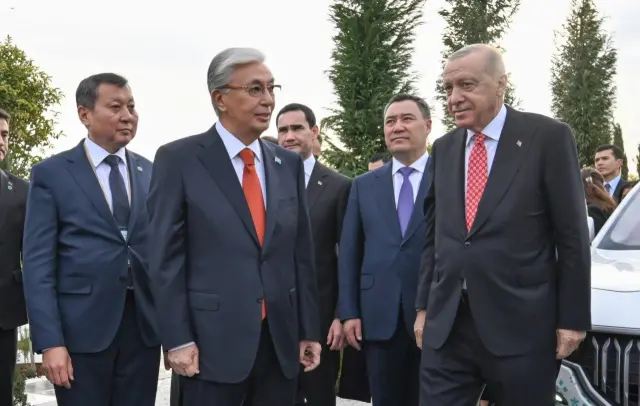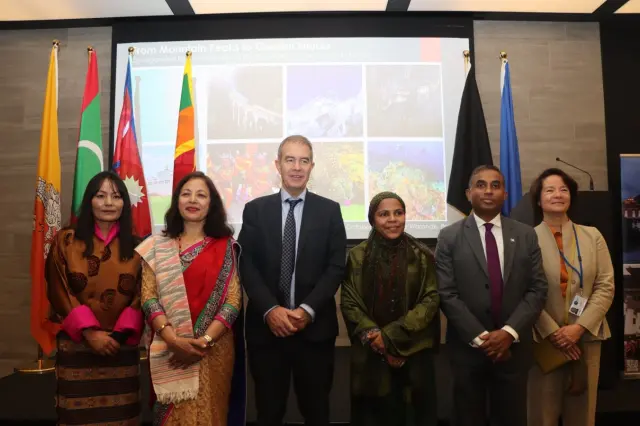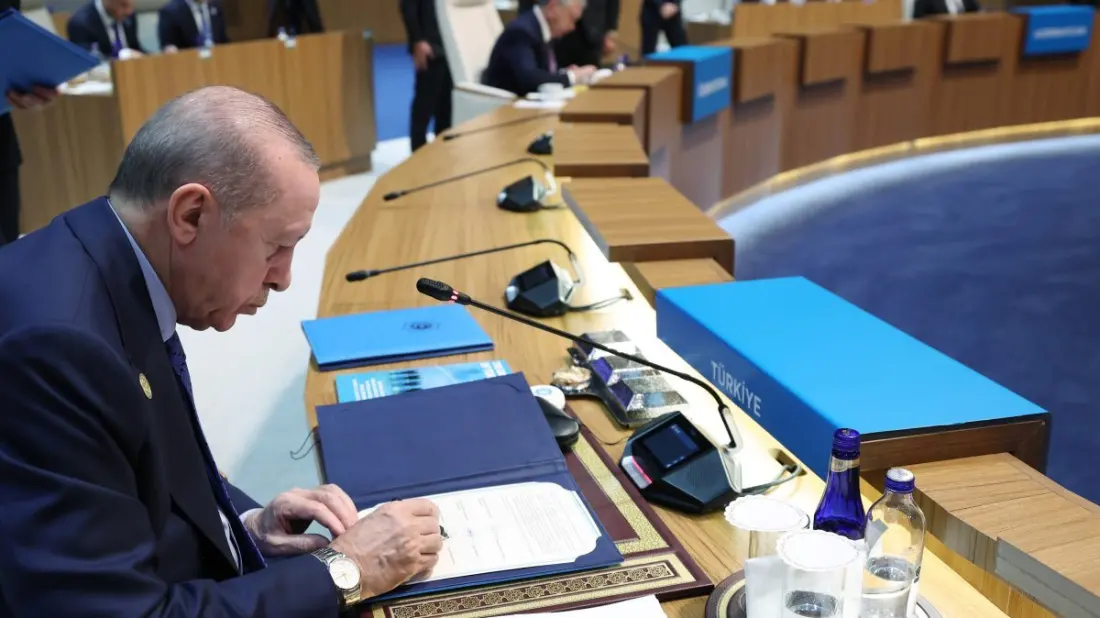
Leaders of the Organization of Turkic States met in Ankara on Friday for the group's 13th summit and came away with a 163-point document that could eventually make overland travel between Europe, the Caucasus and Central Asia smoother. Türkiye took over the rotating chairpersonship at the meeting, chaired by President Recep Tayyip Erdoğan, with officials from Kazakhstan, Kyrgyzstan, Uzbekistan, Azerbaijan, Turkmenistan and the Turkish Republic of Northern Cyprus at the table.
The so-called Ankara Declaration covers defence, cybersecurity, trade and energy — the sort of summit language that rarely registers with holidaymakers. But for anyone who has dreamed of the classic overland run from Istanbul through the South Caucasus into Central Asia, the transport pledges are worth noting. Members committed to strengthening the Trans-Caspian International East-West Middle Corridor, improving integration with the Baku-Tbilisi-Kars railway, and supporting the Zangezur Corridor and the China-Kyrgyzstan-Uzbekistan railway. In practical terms, that means more investment in the rail and road links that carry both freight and passengers between Türkiye, Georgia, Azerbaijan and onward across the Caspian.
The declaration also reaffirmed support for the Middle Corridor's energy siblings — the Baku-Tbilisi-Ceyhan pipeline and the Southern Gas Corridor — alongside regional green energy projects, and backed the Turkic Investment Fund plus simplified customs procedures and expanded digital trade. Easier customs paperwork is the kind of unglamorous detail that genuinely improves border crossings for travellers as well as trucks.
On the tech side, the group celebrated the completed production phase of its jointly built OTS-SAT CubeSat and encouraged cooperation on artificial intelligence and the Digital Silk Road. Uzbekistan will host the 14th summit in 2027, with Kyrgyzstan offering an informal gathering the same year — useful markers for anyone planning trips to Samarkand or Bishkek, as these summits typically bring visible infrastructure and security upgrades to host cities.
The declaration, signed in Turkish, Azerbaijani, Kazakh, Kyrgyz and Uzbek, also addressed heavier geopolitical matters: coordination against terrorism and organised crime, support for Turkish Cypriots, a call for a settlement in Cyprus, backing for UN Resolution 2803 on Gaza and a two-state solution, and support for Syria's reconstruction. None of that changes travel plans tomorrow, but the corridors, customs reforms and rail projects could reshape Central Asian journeys over the next decade. Watch this space — the Silk Road is being rebuilt in committee rooms as well as on the ground.
Daily Sabah