Kyrgyzstan is seeing a sharp uptick in colds and flu-like illness heading into winter. Between October 24 and 31, the country registered 10,432 cases of acute respiratory viral infections and influenza — a rise of 6.9 percent on the previous week, and 1.5 times the figure recorded in the same period last year, according to the Department of Disease Prevention and State Sanitary and Epidemiological Surveillance.
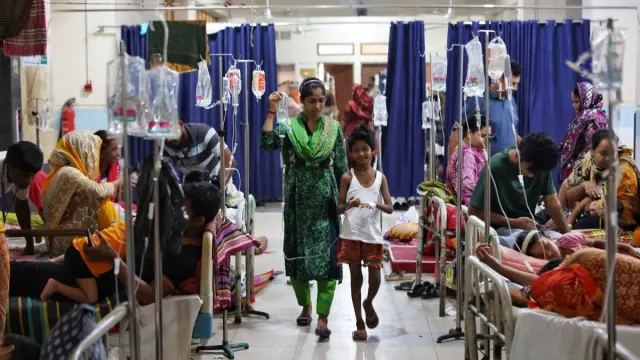
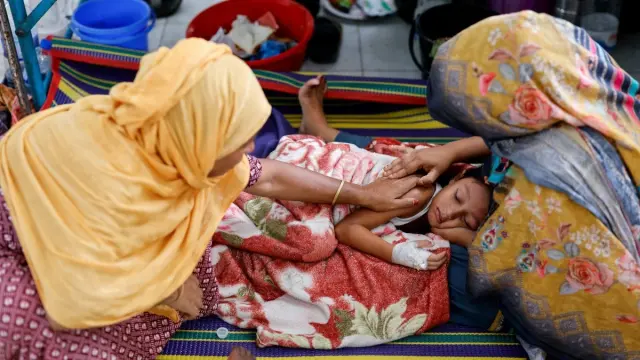
Kids are bearing the brunt of it. Children under 14 make up just over two-thirds of all cases, roughly 7,100 infections. Laboratory testing points to rhinoviruses as the main culprit, behind nearly half (47.6 percent) of detected pathogens. Parainfluenza (21.5 percent), adenoviruses (13.8 percent), seasonal coronaviruses (10.2 percent), bocaviruses (6.1 percent) and a small share of respiratory syncytial virus round out the mix. Notably, actual influenza is not the dominant driver so far — though flu vaccination campaigns are running across the country.
Health officials are pushing familiar precautions: regular handwashing, ventilating rooms, covering coughs and sneezes, wearing masks in crowded places, avoiding getting chilled, and staying home when symptoms appear. Parents are asked to keep children with symptoms out of school and kindergarten until they recover.
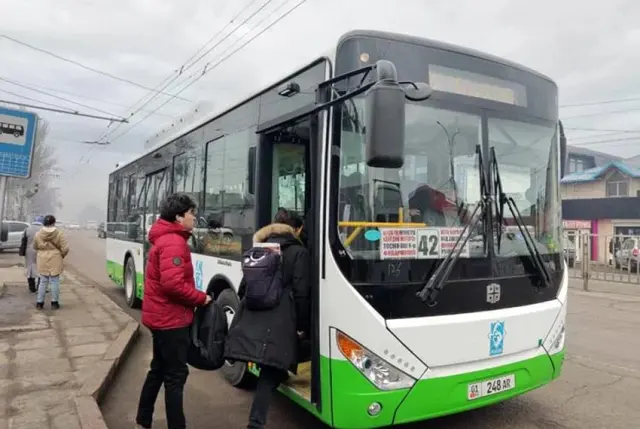
For travellers, the timing matters. Late October marks the start of Kyrgyzstan's cold season, when Bishkek's streets get grey and visitors pile into indoor cafés, bazaars and marshrutkas — exactly the crowded, stuffy environments where respiratory viruses spread fastest. If you're heading there for winter treks, ski trips near Karakol or a city break, pack a basic health kit, consider a flu shot before you fly, and bring a mask for long minibus rides or busy markets.
The practical takeaway: this is routine seasonal illness, not a travel-blocking outbreak. But a case of the sniffles is a poor souvenir, and medical access outside the capital can be thin, especially in mountain regions. Carry hand sanitiser, dress properly for the cold, and don't push through a high-altitude trek if you're already fighting a respiratory infection — the combination of illness and elevation is a bad one. Anyone who develops symptoms while in the country should rest, hydrate and seek local medical advice promptly rather than soldiering on.