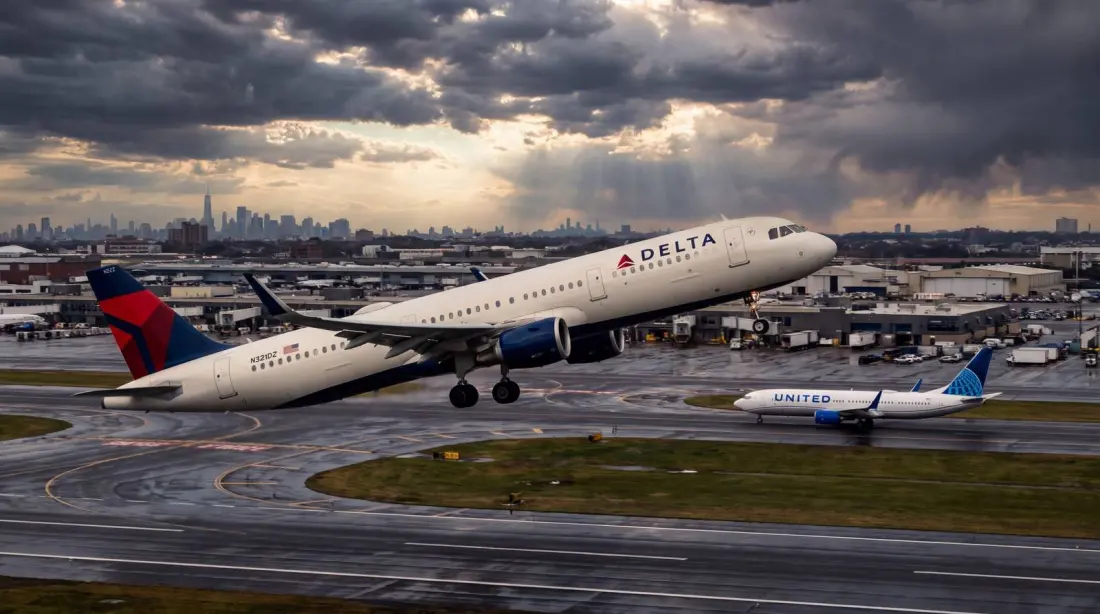
Three of America's biggest airlines have been given 45 days to reveal exactly how they price tickets, after the Federal Trade Commission launched an investigation into so-called "surveillance pricing" — the practice of using a customer's personal data to work out the highest fare that person might pay.
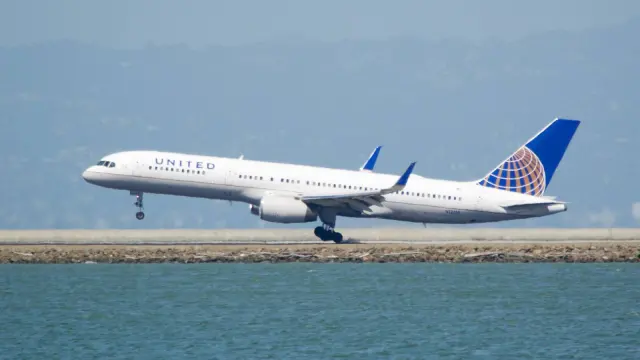
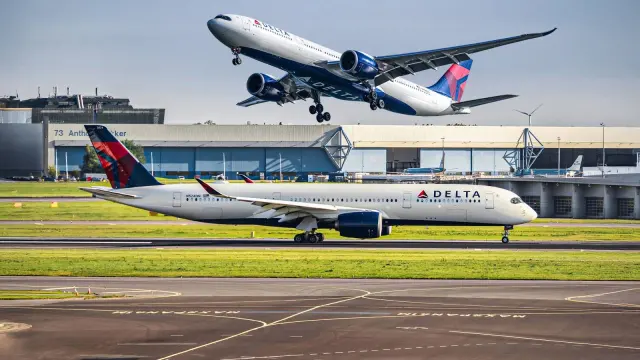
Delta, United and JetBlue are among nine companies caught up in the probe, alongside Uber, Lyft, DoorDash, Instacart, Target and Walmart. The orders, issued under Section 6(b) of the FTC Act, require the airlines to disclose whether customer information influences not just base fares but also discounts, targeted sales, paid upgrade offers and loyalty pricing — which puts Delta SkyMiles, United MileagePlus and JetBlue TrueBlue directly in the frame.
The scrutiny has been building for months. Delta has taken heat for its partnership with Israeli AI firm Fetcherr, whose dynamic pricing tool the airline insists works only on route-level demand and market data, never individual passenger information. JetBlue is facing a class action lawsuit after a viral exchange in which it told a customer whose fare had jumped $230 to clear their cookies or switch to an incognito window. United has so far stayed quiet.
The airlines are pushing back. Delta's chief external affairs officer Peter Carter says no Delta fare has ever been, or will be, set using personal data, while JetBlue maintains its prices depend purely on demand and seat availability and are identical for everyone booking through its site or app. Notably, American Airlines is absent from the investigation — CEO Robert Isom has called AI-driven individual pricing a "bait-and-switch" that his airline won't touch.
Here's the catch for consumers: even if the FTC finds wrongdoing, it can't directly punish airlines. That power sits with the Department of Transportation, whose Secretary Sean Duffy has promised to "engage very strongly" against individually tailored AI fares. A bill in Congress, Senator Ruben Gallego's One Fair Price Act, would go further by banning surveillance pricing outright and handing enforcement back to the FTC.
For travellers, this matters because the outcome could shape what you see when you search for a flight — and whether two people on the same route, same day and same seat class might quietly be shown different prices. If you're booking US domestic travel in the meantime, the incognito-window trick that JetBlue accidentally made famous is worth remembering, along with comparing prices across the airline's app, a third-party site and a fresh browser before you commit. Watch this space: depending on what the FTC finds and what Congress does next, the price you're quoted could soon be guaranteed to be the same one your neighbour sees.