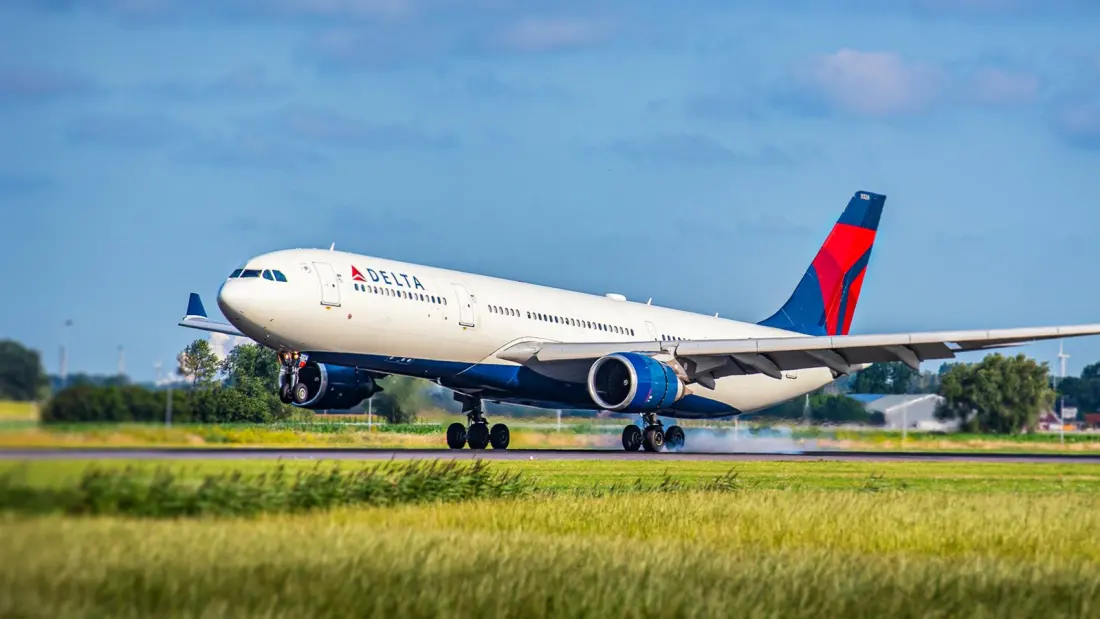
Delta Air Lines flies more Airbus A330s than any airline on earth, and when all outstanding orders land, that fleet will hit 97 aircraft across three variants. The odd part? Twenty years ago, Delta had none. Every single one traces back to the 2008 merger with Northwest Airlines.
Before that deal, Delta was firmly a Boeing shop, even signing a 20-year exclusivity agreement with the American planemaker in 1997. Northwest had gone the other way, ordering A330-300s and long-range A330-200s in the early 2000s and flying them across the Atlantic and Pacific, including routes from its Tokyo Narita hub. When the airlines combined, the 32 inherited A330s turned out to fit Delta's network remarkably well, and the airline liked them enough to more than double the fleet.
The logic is easy to see. The A330-300 burns fuel similar to a 777 but carries a comparable load on six-to-ten-hour routes, and against Delta's workhorse 767s it packs roughly 20-30% more seats without a dramatic jump in operating costs. That combination made it the most profitable last-generation widebody in the fleet, ideal for the big transatlantic money routes, while the A330-200s handle premium-heavy destinations like London and range missions to South America and Hawaii.
Delta didn't stop at inheritance. A 2013 order pushed its A330-300 count to 31 and launched Airbus's 242-tonne version, capable of year-round New York to Tel Aviv flying. The airline was also an early backer of the re-engined A330neo, and it now operates 39 A330-900s with 16 more on order, plus 20 Airbus widebody options that could go to either the neo or the A350.
The cabin experience differs by type. Older A330-200s and -300s fly with 34 Delta One seats on the Safran Cirrus platform plus 21 Premium Select recliners. The A330-900 is one of only two Delta types with the Delta One Suites, closed-door Thompson Vantage XL pods, across 29 seats in a 281-seat layout. All 42 of the older jets are due a refurbishment with updated Vantage XL suites, bigger screens, more charging, and snack bars, keeping them flying into the mid-to-late 2030s.
For travellers, this matters in a simple way: book Delta across the Atlantic, to South America, or to Hawaii and you'll most likely be on an A330. If the seat matters to you, check the aircraft type before booking, as the difference between an ageing A330-300 and an A330-900 with sliding-door suites is significant. The newest 787-10s arriving from 2031 will take on the busiest routes like Rome and Athens, with the A330-900 slotting just below, so the neo is where Delta's most modern premium product will keep appearing on European routes.