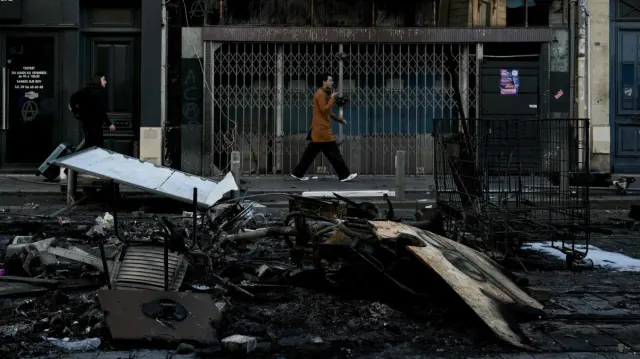
More than 2,000 people were detained across France after a night of arson and looting on October 18, with over 600 police officers, firefighters and gendarmes injured, according to the Interior Ministry. Two deaths were linked to the weekend: a 22-year-old police officer struck by a vehicle in Nantes and a protester who suffered cardiac arrest north of Paris. The retail federation estimates some 1,500 businesses were hit, with damage potentially running to hundreds of millions of euros.
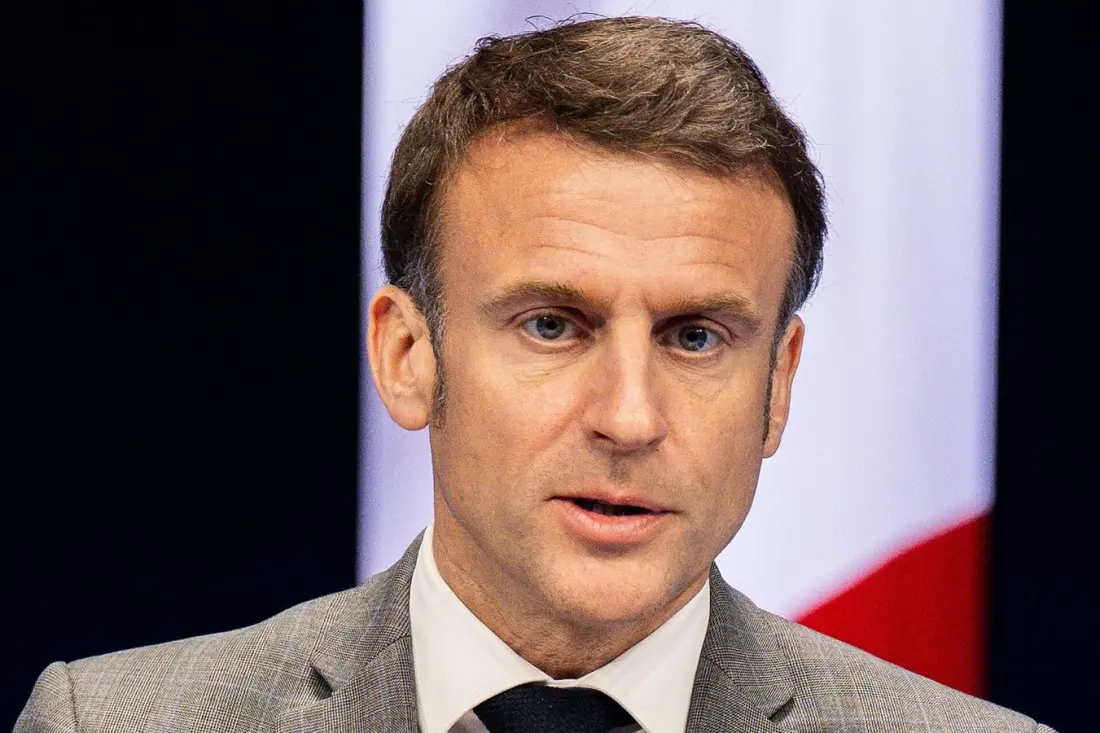
The unrest follows four weeks of student-led protests over school conditions and the cost of living. While the marches themselves drew hundreds of thousands of people, violence broke out afterwards in Paris, Lyon, Marseille and Limoges, where a historic town hall was burned. President Emmanuel Macron, in a televised address on Sunday, blamed radical far-left groups and criminals, promised looters would repay damages, and ordered a review of intelligence and police preparations. He also gave prefects and mayors powers to ban certain gatherings to protect public buildings.
The political fallout is sharp. Left-wing leader Jean-Luc Mélenchon accused Prime Minister Sébastien Lecornu of letting tensions escalate, while Marine Le Pen of National Rally called the government 'incapable'. Ecologists leader Marine Tondelier wants Interior Minister Laurent Nuñez to resign. From the US, President Trump and Vice President JD Vance tied the riots to immigration — a link French authorities have not made.
For anyone with a France trip booked in the coming weeks, the practical picture: this is a political and domestic security story rather than a threat to tourists specifically, but it can affect your plans. Transport hubs, city centres and public buildings have seen disruption, and further demonstrations are likely while Macron convenes mayors and social partners this week. Expect occasional metro closures, rerouted buses and heavier police presences in big cities on protest days.
Sensible moves: check your government's travel advice before flying, follow local news and prefecture alerts, avoid large gatherings or areas where demonstrations are active, and keep flexible tickets where possible. Travel insurance that covers civil unrest is worth a look for city breaks in the near term. Most of the country — countryside, coastal towns, smaller cities — continues as normal, and France remains open for business; the affected scenes were concentrated in a handful of urban centres on specific nights.
The coming days will show whether Macron's dialogue push and tighter gathering rules calm things down. If you're travelling to Paris, Lyon or Marseille soon, keep an eye on the news and build some slack into your plans.