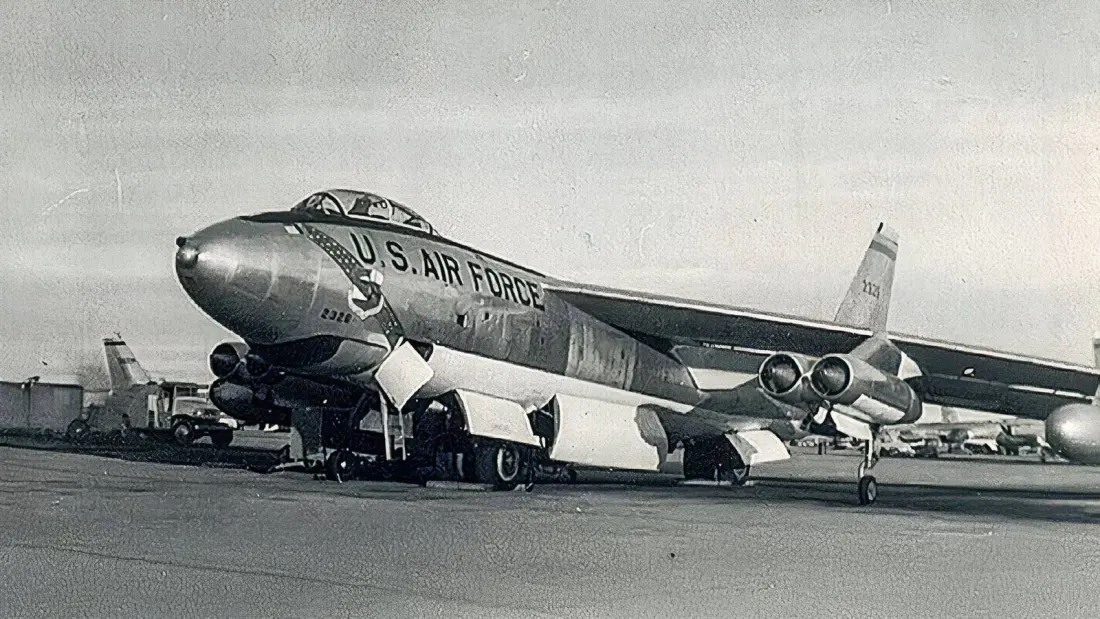
Nebraska's capital city airport doesn't look like a strategic asset, but Lincoln Airport (LNK) has been quietly wearing two hats since the 1950s. The longest of its three runways — 18/36, stretching 12,901 feet — was originally built for Boeing B-47 bombers during the Cold War, when the site operated as Lincoln Air Force Base. Parts of that pavement predate jet-age commercial aviation, and the last full repaving happened in 1991. Now it's getting a complete rebuild.
The $100 million 18/36 Reconstruction Project kicked off in January and should wrap up by fall 2027. Contractors from Constructors, Inc. are pouring a 17-inch-thick reinforced concrete slab covering roughly 250,000 square yards — more than 51 acres of pavement, rebuilt to modern FAA standards. Unusually, the National Guard Bureau is picking up nearly half the bill, with the rest coming from FAA grants, the State of Nebraska, the Nebraska Department of Transportation and the Lincoln Airport Authority. That funding split tells you who really needs this runway: the Nebraska Air National Guard's 155th Air Refueling Wing, which operates eight KC-135R Stratotankers from the field.
The work is split into three phases. The first two should be finished by the end of this year, after which the runway reopens in a shortened configuration while Phase 3 completes the far end, temporarily closing the intersecting crosswind runway 14/32.
Why does the military care so much? The rebuilt runway can handle some of the heaviest aircraft in the US inventory, including the C-5 Galaxy and the E-4B Nightwatch National Airborne Operations Center. Lincoln also sits at the southern end of a strategic corridor running up to Ellsworth and Minot Air Force Bases, home to strategic bombers. Meanwhile, the 155th's tankers — a unit that traces back to a WWII fighter squadron flying P-38s over Normandy and the Ardennes — handle refuelling, airlift and aeromedical missions worldwide.
For travellers, there's a civilian side to this story too. Lincoln is having a moment: July saw 17,757 passengers, the busiest month in 20 years, and traffic through June was up about 20% year on year. The airport sits roughly five miles northwest of downtown Lincoln, and the reconstruction is designed to keep commercial service running throughout — with phases staggered so the runway never fully shuts. Passengers should expect occasional phased closures and adjusted runway configurations through 2027, but flights continue.
It's a rare chance to watch one of America's larger aviation infrastructure projects up close, in a state capital that doubles as a working piece of national defence.