The Guardian Travel desk has opened its latest reader callout, and this time the theme is tourism that gives something back. They're asking travellers to share experiences of trips that helped conserve local ecosystems or cultures — the kind of holidays where your presence, money or labour actually benefits the place you visited.
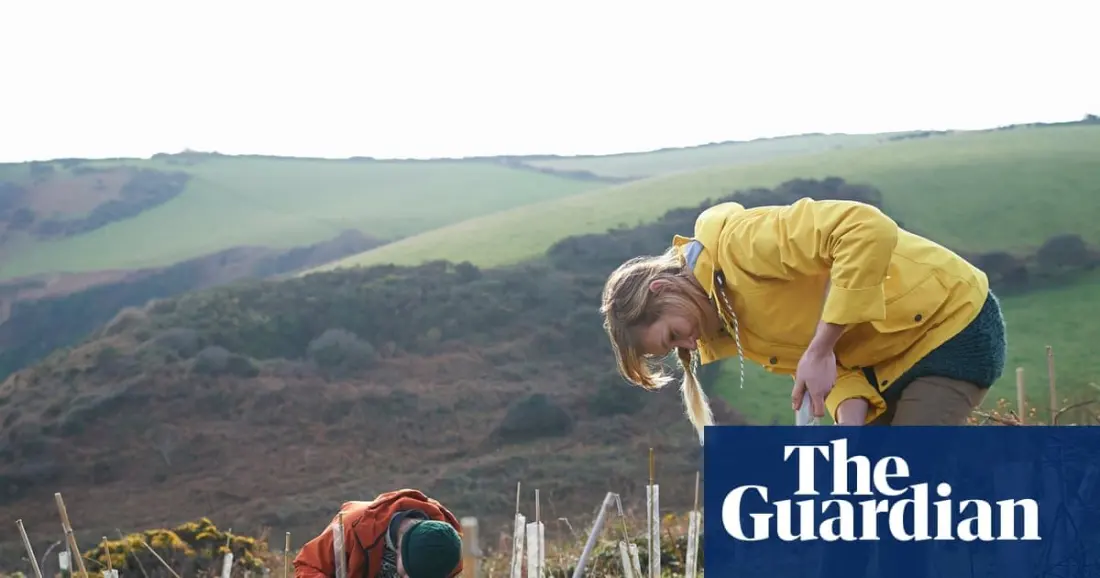
The prompt is deliberately broad. Think a volunteering week planting trees in the Scottish Highlands, a stay at an eco-hotel that funds protection of local wildlife and plants, or a community project bringing abandoned villages back to life. If a trip left a place better than it found it, that's the story they want.
There's a practical incentive beyond bragging rights. The best tip of the week, picked by Tom Hall of Lonely Planet, wins a £200 voucher for a stay with Coolstays, a company listing more than 3,000 properties worldwide. Winning tips also get published in the Guardian Travel section and on its website — a decent byline-shaped reward for a hundred words of your time.
The rules are straightforward but worth noting. Tips should run to roughly 100 words, and photos are welcome although the judging is based on the writing alone. Entries close on Monday 26 October at 10am GMT, and — for legal reasons — the competition is open to UK residents only. Full terms and conditions are on the Guardian site.
Why should the rest of us care, UK residency or not? Because the callout itself is a useful snapshot of where travel taste is heading. Conservation-focused trips have moved well beyond the niche: travellers increasingly want proof that an eco-lodge genuinely protects habitats, that a volunteer project isn't just well-marketed busywork, and that rural regeneration schemes benefit locals rather than displacing them. Reading the winning tips when they publish will be a free shortlist of trips that passed a fairly rigorous sniff test — judged by one of the sharpest editors in the business.
If you're planning an entry, the bar is specificity. 'I stayed somewhere green' won't cut it; the projects that tend to win these roundups name the place, the organisation, what you actually did, and what changed because of it. A tree-planting count, a species spotted thanks to habitat restoration, a village with lights on again where there were none — concrete detail is what separates a publishable tip from a holiday review.
Even if you never enter, it's worth asking the same questions of your next booking: who owns this place, where does the money go, and what would the local ecosystem or community lose if this business vanished tomorrow? That's essentially the test the Guardian is setting its readers, and it works just as well as a private checklist.
Entries close 26 October at 10am GMT, so if you've got a conservation travel story with real detail in it, there's a week-ish to get it down in a hundred tight words. Everyone else: keep an eye out for the winners — they usually make a solid additions-to-the-list file.