
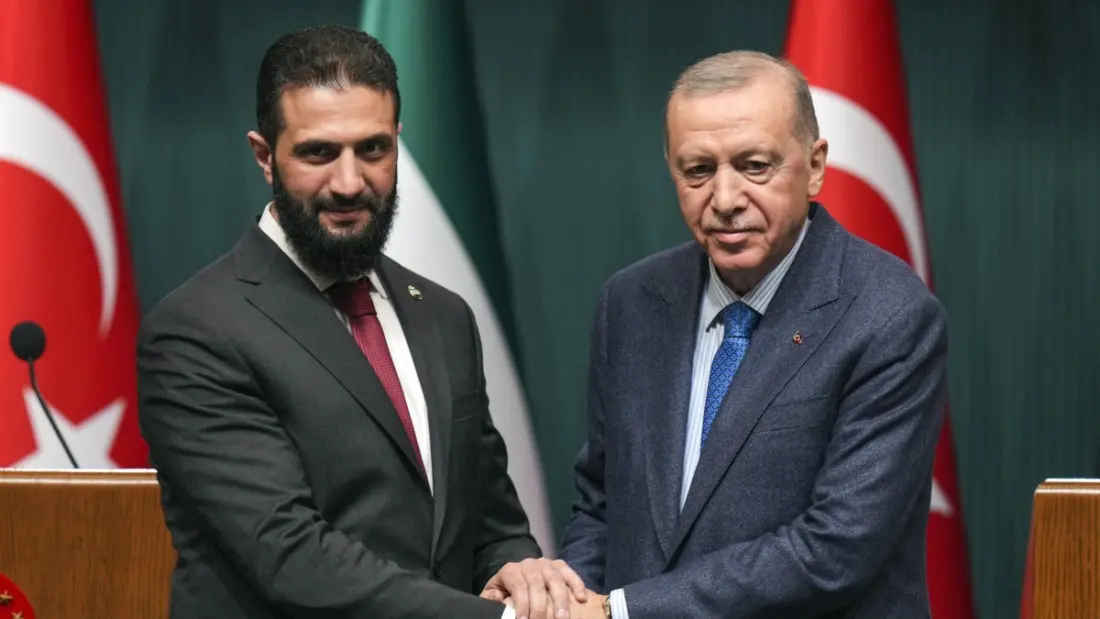
A presidential trip is rarely travel news, but this one is different. Turkish President Recep Tayyip Erdoğan is expected to visit Damascus in the coming months — his first visit to Syria since the Assad regime collapsed in late 2024, and the first by a sitting Turkish president in 16 years. For anyone watching the slow reopening of Syria to the outside world, it's a signal worth reading.
The timing is still fluid. Foreign Minister Hakan Fidan was in Damascus to nail down details with his Syrian counterpart Asaad al-Shaibani, but Erdoğan's calendar is packed: the UN General Assembly in New York this month, hosting the Organization of Turkic States in October, and the COP31 summit in Antalya in November. A spring 2026 plan was shelved after the U.S.-Israel-Iran war erupted, so the visit may now land around the December anniversary of the revolution that ended Baathist rule.
The symbolism will be heavy. When Fidan made his inaugural trip after the fall of Assad, he was photographed drinking tea at Mount Qasioun with President Ahmed al-Sharaa — a spot that was once off-limits to ordinary Syrians and garrisoned by regime troops. Erdoğan may pray at the Umayyad Mosque and repeat the gesture. But the substance matters more: expected new economic and security deals, momentum on integrating the SDF/YPG into Syria's security forces under the 2025 agreement with al-Sharaa, and a joint pushback against Israeli incursions, including Netanyahu's recent Mount Hermon visit on the Syrian side of the border.
For travellers, the practical takeaway is that Turkey-Syria normalization is accelerating. The two countries share a border of more than 900 kilometres, and reconstruction has already begun pulling in Turkish contractors and investment. Damascus and Ankara have signed agreements to boost bilateral trade and set up a joint economic commission. That kind of engagement usually precedes easier crossings, restored transport links and, eventually, a more accessible country for visitors. Syria remains a challenging destination — most Western governments still advise against travel — but the direction of movement is clear for the first time in over a decade.