Kazakhstan is joining the club of countries asking visa-free visitors to pre-register before arrival. From November 1, border officers at five entry points will start checking the new QazETA electronic travel authorisation — though during an eight-month transition it remains voluntary, and nobody will be turned away just for not having one. That changes on July 1, 2027, when the permit becomes mandatory and its absence becomes grounds for refusal of entry.
The system was set out in an October 10 government resolution rewriting the country's rules on entry and migration control. The authorisation itself is free and must be requested at least 72 hours before you travel. Applications go through qazeta.kz or its mobile app, and involve an online identity check. Once approved, the permit is valid for 180 days, allows multiple entries, and is tied to the passport you applied with — so bring that same document to the border.
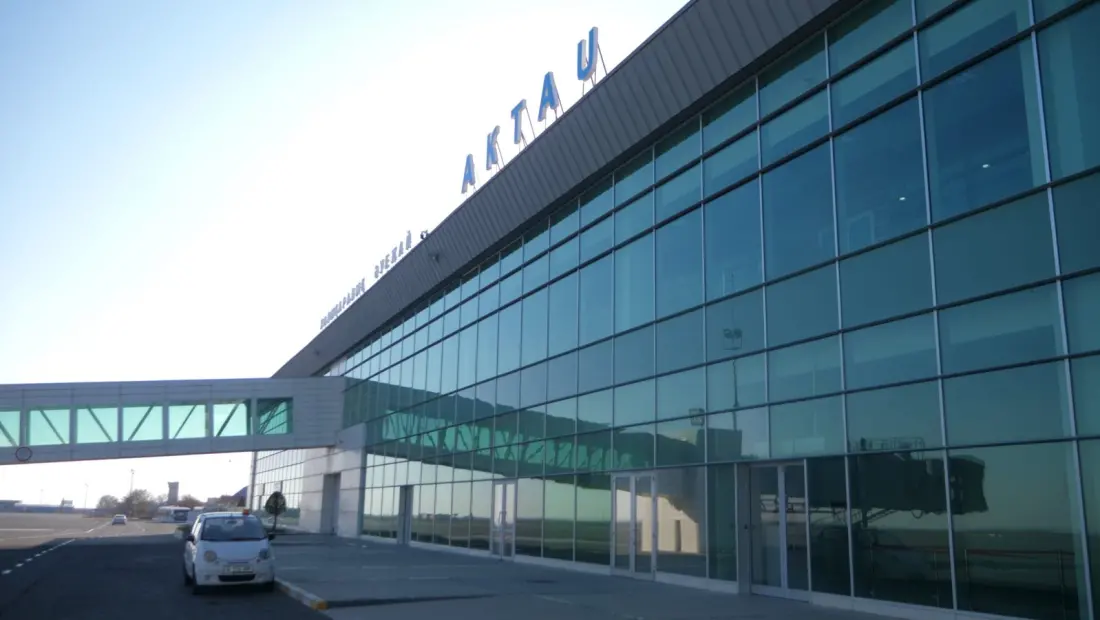
The rollout is phased. Checks begin at Aktau International Airport and four road crossings: Urlyutobe (Pavlodar Region), Aukhatty (Zhambyl Region), Atameken (Turkistan Region) and Nurly Zhol (Zhetisu Region). From January 1, 2027, they extend to the international airports in Astana and Almaty, then to all remaining crossings on March 1. Through the transition period ending June 30, 2027, officers will simply inform travellers about the new requirement rather than enforce it.
QazETA applies to citizens of the 85 countries that can visit Kazakhstan visa-free, including nationals of the Eurasian Economic Union states. It doesn't change how long you can stay: most visa-free visitors still get 30 days per visit and up to 90 days in any 180-day window. EAEU citizens get 90 days within 180, Türkiye's nationals up to 90 days, while visitors from India and Iran are limited to 14 days per visit and 42 days per 180. There are 29 exemption categories too — children under 16, adults 65 and over, valid visa or residence permit holders, transit passengers staying airside, airline and transport crews, and diplomatic and humanitarian travellers among them.
One caveat worth remembering: an approved QazETA is not a guaranteed entry. Border authorities can still refuse admission under existing migration law, for instance over prior deportations or false information. The usual rules on registration also remain — anyone hosting a foreign visitor must notify authorities within three business days.
Why it matters: if a trip to Kazakhstan is on your list for late 2026 or early 2027, you have a generous grace period — just be aware that officers may mention the system at the border. From mid-2027, sorting your QazETA at least three days before departure becomes as essential as a valid passport. It costs nothing, takes minutes online, and one approval covers repeat visits for six months. Handy detail: the same platform also handles e-visas, e-residency services and border-crossing certificates, so it's worth bookmarking if you plan to travel around Central Asia more broadly. Kazakhstan's Foreign Ministry has notified all 85 affected countries and will publish application guidance on embassy websites.