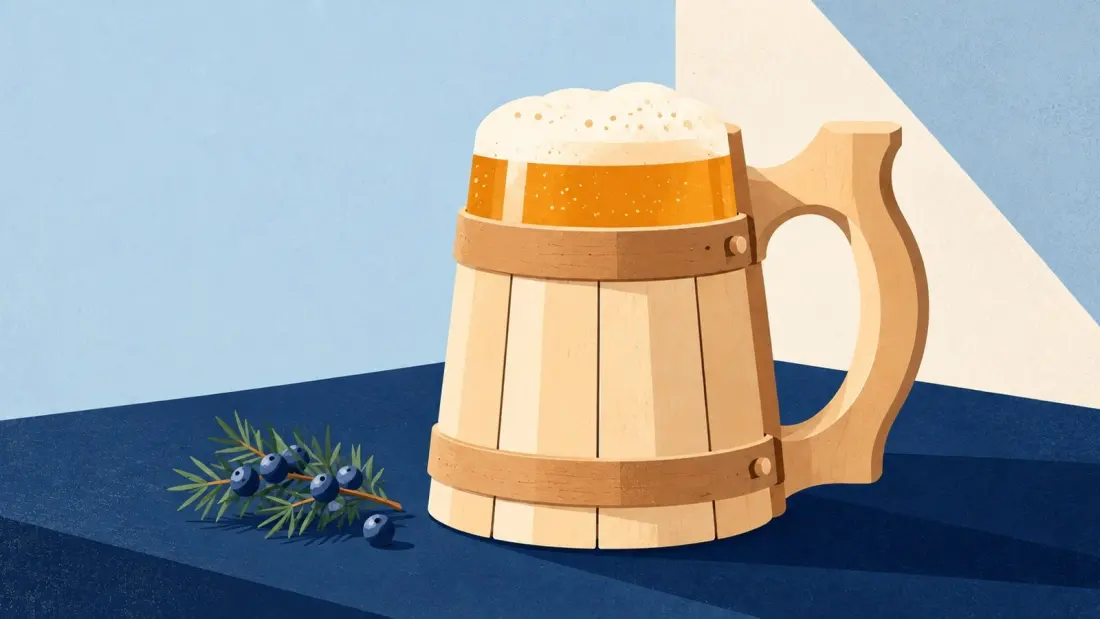
Estonia has a drinking vessel with personality: the õllekapp, a wooden beer tankard built from polished staves and held together with wooden hoops. Traditionally made from juniper, birch or aspen, it's rustic craftsmanship you can actually drink out of — though the wood can lend the beer its own aroma, and a porous surface needs careful cleaning. Folklore insists the tankard be kept full at all times so the wood doesn't dry out and crack, which is either a chore or an excellent excuse, depending on your perspective.
What goes inside matters just as much. Estonia's big-name lagers — A. Le Coq among them — are solid but largely interchangeable European lagers. The interesting action is in the craft scene, where small breweries are digging up old brewing traditions and experimenting with local ingredients. Demand isn't a problem: Kirin's Global Beer Consumption Report ranked Estonia sixth in the world for beer drunk per capita in 2024, at 93.2 litres per person. Only the Czechs and a handful of others out-drink them.
The habit runs deep. Barley has been cultivated on Estonian soil since around 1000 BCE, which brewers like A. Le Coq use to claim a beer tradition nearly 3,000 years old. Whether early beer really beat boiled water as a safe drink is up for debate, but the archaeology at least confirms Estonians have been growing brewing grain for a very long time.
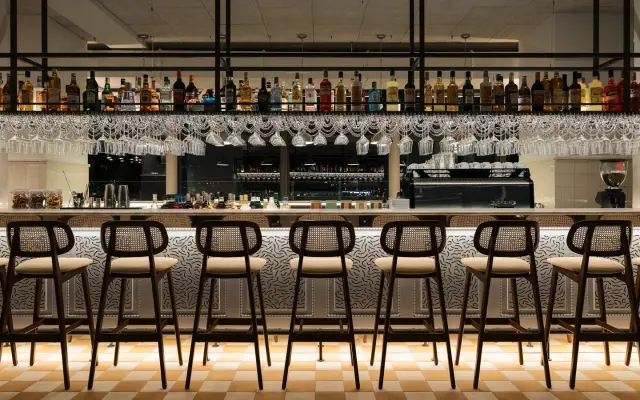
If you want a concrete place to start in Tallinn, Põhjala is the flagship of the craft wave. Its Tap Room matches its beers with Texas barbecue and earned a spot in the Michelin Guide Estonia's main selection in 2026. Keep an eye out for brews like Kask, a forest lager made with birch — a fitting match for that wooden tankard.
For travellers, this is an easy, low-cost way into Estonian culture beyond the medieval old town. Tallinn's bars and tap rooms pour local craft beer at prices well below most of Western Europe, and plenty of breweries offer tastings where you can try birch, juniper and other forest-inspired brews you won't find at home. Come thirsty; legend says the tankard must never run dry.