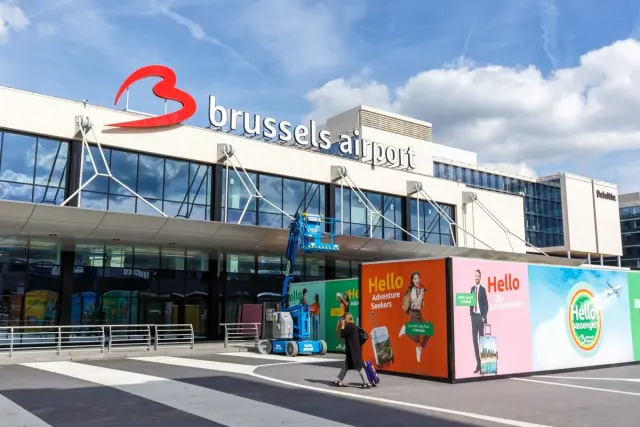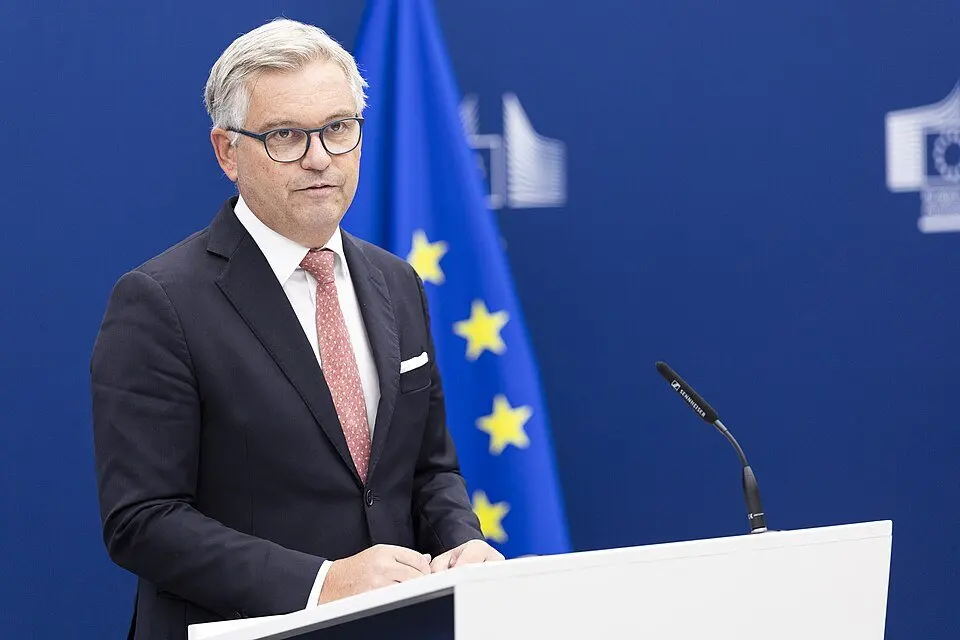
Non-EU arrivals at Brussels Airport have faced passport-control waits of up to five hours, and the EU's migration commissioner has had enough. Magnus Brunner, the Commissioner for Internal Affairs and Migration, has told Belgium and other Member States to get the new Entry/Exit System running smoothly before the Christmas travel peak — putting the blame squarely on national authorities rather than Brussels.
The Entry/Exit System, or EES, is the EU's new digital border regime. Instead of stamping passports, it records fingerprints and facial images from non-EU travellers entering the Schengen area. Brunner told POLITICO that Member States "had enough time" to prepare and framed the failures as a security matter, though he said he was "very confident" the problems could be ironed out before the festive rush. The European Commission has offered funding and Frontex support to help lagging airports.
Belgium's interior ministry, led by Bernard Quintin, has pushed back. It argues police are fully staffing all 12 arrivals-control positions, but the airport's facilities can only process roughly 500 to 600 non-Schengen passengers per hour — while busy mornings can throw nearly 3,500 such arrivals at the terminal between 6am and 10am. That maths simply doesn't work.
Brussels Airport, for its part, has stayed diplomatic, saying all parties are working on fixes. Trials and plans include automated e-gates, pre-registration kiosks, extra police training and infrastructure upgrades. But current procedures still send some travellers — including Americans — to a staffed desk even after registering at a kiosk, which piles pressure onto peak hours. Lawmakers have taken note too: a Belgian MP described transfer passengers queuing through the whole terminal and dozens of families missing connections, calling it unacceptable.
The airline and airport lobbies are getting louder. ACI EUROPE and Airlines for Europe want better biometric processing, wider use of automated controls, and the ability to pause biometric enrolment altogether when congestion hits dangerous levels. Their argument is simple: chronic delays mean missed flights and needless hardship for passengers.
Brussels isn't alone. Lisbon and Milan have both seen EES-era border chaos this season. But with Christmas approaching, Zaventem has become the most visible test of whether the EU's split responsibility — Brussels provides the system, capitals provide the staff and kit — can actually keep passengers moving.
If you're flying into Brussels from outside Schengen this winter, build generous buffer time into your plans, especially on early-morning arrivals, and double-check connection times if you're transferring. Budget extra minutes for the kiosk-then-desk process, and keep an eye on your airline's guidance — carriers may adjust schedules or minimum connection times if the queues persist.