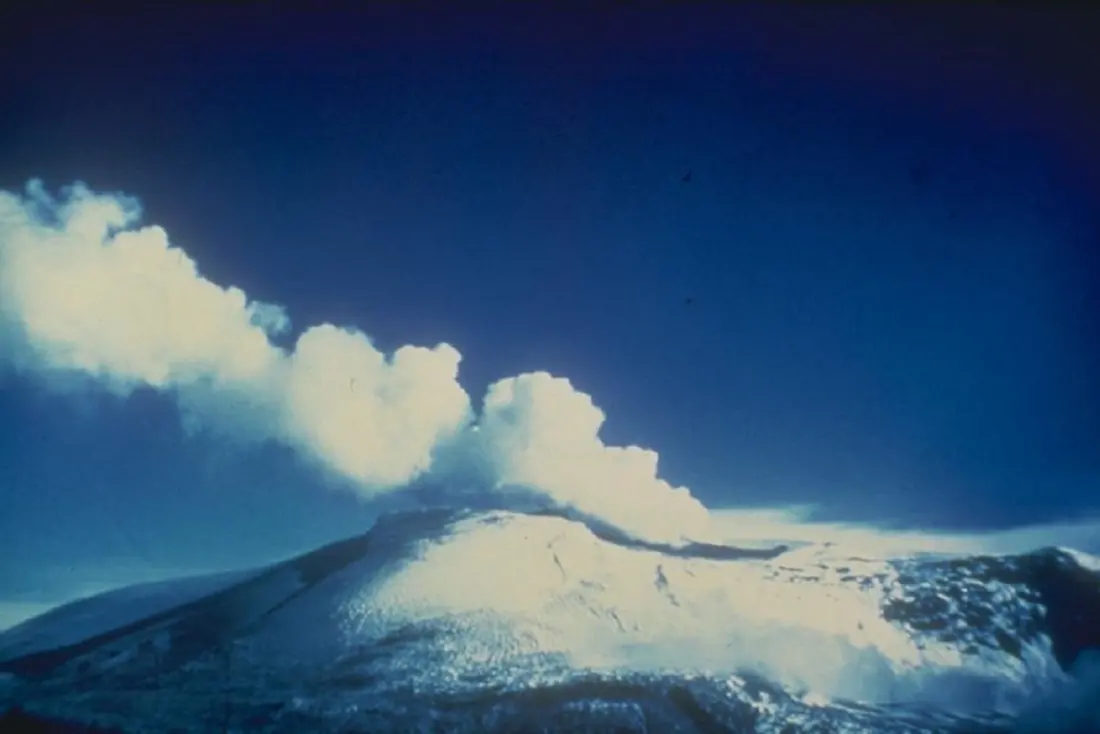
On the evening of 13 November 1985, the Nevado del Ruiz volcano erupted in central Colombia and, within minutes, sent a wall of mud, water and debris rolling into the town of Armero in Tolima. Roughly 25,000 people died, more than 22,000 of them in the town itself. Armero was effectively erased from the map.
The mechanics of the disaster were brutal in their simplicity. Heat from the eruption melted part of the glaciers capping the 5,300-metre volcano, and that water mixed with ash, rock and soil to form lahars — fast-moving mudflows. They funnelled down the Lagunilla, Azufrado, Guali and Chinchina river channels, one of them hitting Armero, home to about 35,000 people and sitting some 46 miles from the volcano. Nearby Chinchiná in Caldas was also badly hit. The tragedy landed just a week after the Palace of Justice siege in Bogotá, making 1985 a year Colombia has never been able to forget.
What makes Armero a story travellers should know is that it was largely preventable. Scientists had warned for months that renewed volcanic activity could melt the glaciers and send flows into the valley towns. The warnings never translated into timely evacuations or clear communication with residents. The catastrophe became a global case study in ignoring science, and it pushed Colombia to build the national risk-management and volcano-monitoring systems it relies on today.
The date is now legally enshrined as a national day of remembrance, and this year's 41st anniversary was marked at the ruins of old Armero, which survive as a kind of open-air memorial. Ceremonies began at 8 a.m. at Campo Santo and the restored San Lorenzo Parish, with masses every two hours through the afternoon. The Colombian Aerospace Force performed its traditional flower-petal drop over the site, with military honours from the Army and National Police. The weekend continued with a Corn Festival, a women entrepreneurs' fair in Armero Guayabal, and a reunion of former residents at Omaira Sanchez Park — named for the 13-year-old whose trapped final hours, broadcast worldwide, became the tragedy's enduring human symbol.
For visitors, the ruins of Armero sit about an hour from Honda and are reachable as a sobering day trip from Ibagué, the Tolima capital. Walking the site is quiet, respectful and free — locals often serve as informal guides, and some are survivors or relatives. It's dark tourism in the truest sense, and it deserves the same care you'd give Auschwitz or Chernobyl: go to learn, not to photograph.
Why it matters: if you're travelling through Colombia's coffee region or the Magdalena valley, Armero is a place where the country's recent history is still physically present, and the surrounding towns — Honda's colonial streets, the hot springs near Nevado del Ruiz itself — make a route that pairs natural beauty with hard memory. Just remember the volcano is still active and monitored; check current alert levels before heading up the mountain.