Long before the White Witch or the wardrobe, there was east Belfast. CS Lewis was born here in 1898, and the streets, hills and coastline of Northern Ireland shaped the scenery of Narnia more than most fans realise. With a new Netflix adaptation of The Magician's Nephew arriving in 2027, there's never been a better time to see the inspirations for yourself.
Start in the Holywood Arches area, where CS Lewis Square has a short walking trail of metal sculptures featuring Mr and Mrs Beaver, Mr Tumnus and a giant Aslan looming over a circular mound. A 15-minute stroll brings you to St Mark's church on the Holywood Road, where Lewis's grandfather was minister for 13 years. The original brass lion's head doorknob from the rectory — a possible seed for Aslan — is kept safe, but an exact replica draws thousands of Lewis fans each year.
Half a mile away on leafy Circular Road stands Little Lea, the redbrick house the family moved into in 1905 and which Lewis described as feeling "less like a house than a city". It's privately owned, but you can see it through the iron gates at the end of the drive. Attic explorations and hide-and-seek games at Little Lea famously open both The Magician's Nephew and The Lion, the Witch and the Wardrobe.
Follow the Belmont Road up out of the city and the suburbs give way to high ground with sweeping views over Belfast, Bangor and Newtownards. Lewis never recorded his exact viewpoint, but the crags of Whitespots country park above Newtownards are a strong candidate — they also echo his description of the Stone Table where Aslan was sacrificed. Keep going south to Rostrevor, an hour from Belfast, where a bench in Kilbroney Forest Park is stencilled with Lewis's own words: the view over Carlingford Lough towards the Mourne Mountains was, he told his brother Warnie, his very idea of Narnia.
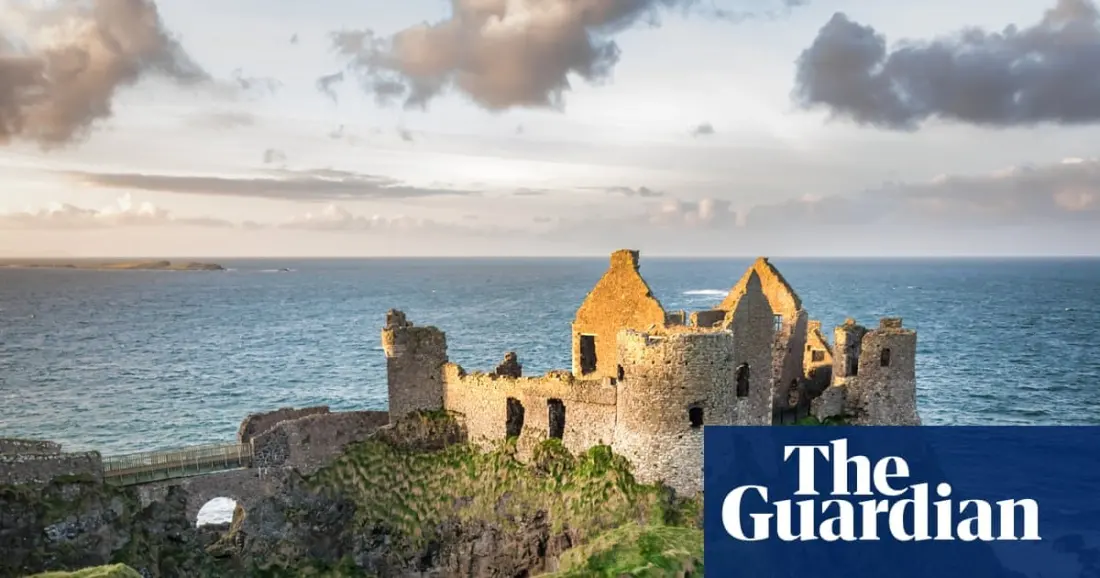
The north coast, an hour's drive the other way, is where Lewis holidayed as a small child — and where fans still argue over which ruin became Cair Paravel. Dunluce Castle teeters dramatically on cliffs east of Portrush, while Downhill Demesne near Castlerock has the clifftop Mussenden Temple, which better matches Narnia's castle capital shining "like a great star resting on the seashore".
There's a pleasingly odd postscript to all this: Narnia murals now share wall space with loyalist paramilitary imagery on east Belfast's gable ends, part of a wider shift towards celebrating the city's creative figures. Whether you're a lifelong fan or just fancy a walk with a story attached, this is a compact, varied trip — city murals, forest parks and ruined castles all within a couple of hours of each other.