Kaixiangong Village doesn't look like a landmark. It's a small water-town settlement in Qidu Town, Wujiang District, on the southern edge of Suzhou in Jiangsu Province, crisscrossed by canals and surrounded by the silkworm-and-rice farmland of the Yangtze delta. But for anyone interested in how rural China actually works, it's one of the most storied villages in the country.
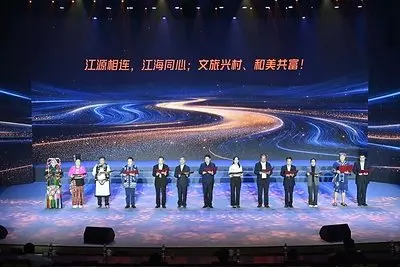
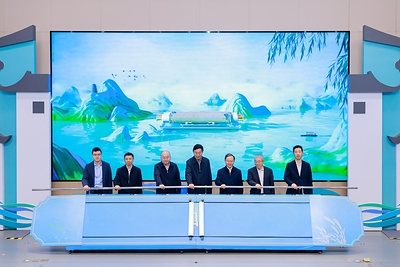
On November 1, scholars and local officials gathered there to mark 90 years since sociologist Fei Xiaotong began the fieldwork that produced his classic study of village life. Fei lived and researched in Kaixiangong — known in his writing as Jiangcun — and his account of the village economy, family life and rural industry became foundational reading for understanding 20th-century China. The anniversary event, themed 'Understanding China's Modernization Through Jiangcun,' also saw the launch of a new Fei Xiaotong Social Survey Center, which will continue his hands-on approach to research. Six academics, including Li Peilin of the Chinese Academy of Social Sciences, presented papers linking the village's history to today's rural revitalization policies.
For local officials, the anniversary is also a statement of intent. Wujiang's district leadership announced plans to deepen ties with universities, develop the village as a sociological research site, and build up its cultural economy — drawing on the district's record in integrating urban and rural development. In practice, that means more investment in the village's infrastructure, heritage and visitor appeal.
Why should travellers care? Because the Jiangnan water-country around Suzhou is already one of China's most rewarding regions for slow travel — canal towns like Tongli and Zhouzhuang sit within easy reach, along with Suzhou's UNESCO-listed classical gardens. Kaixiangong offers something those tourist-heavy towns can't: a genuinely lived-in village with a real intellectual story attached. Visitors with an interest in modern Chinese history can walk the same lanes Fei documented in the 1930s, and the new survey centre is likely to add exhibitions and interpretation over time. As Wujiang pours resources into the village's cultural economy, expect it to appear more often on cultural-tourism itineraries around Suzhou — best visited before it gets glossy.