In a building in Fustat, Cairo's oldest settlement, a school has been quietly teaching crafts most of the world has let fade. The Jameel House of Traditional Arts opened in 2009 as a two-year programme run by The King's Foundation School of Traditional Arts in London, and its curriculum reads like a survival kit for endangered skills: sacred geometry, observational drawing, colour harmony and floral patterns, plus hands-on training in ceramics, glass, gypsum, metalwork and woodwork.
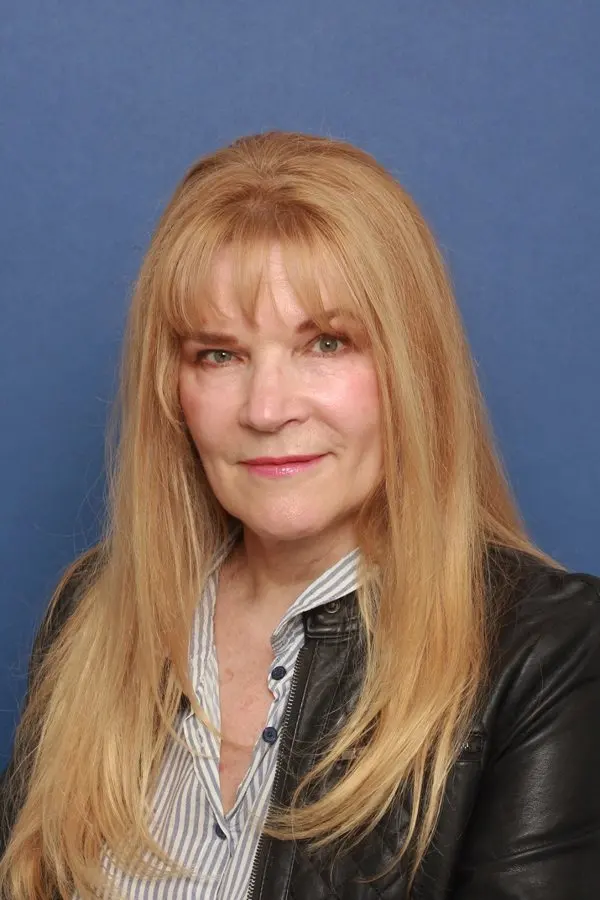
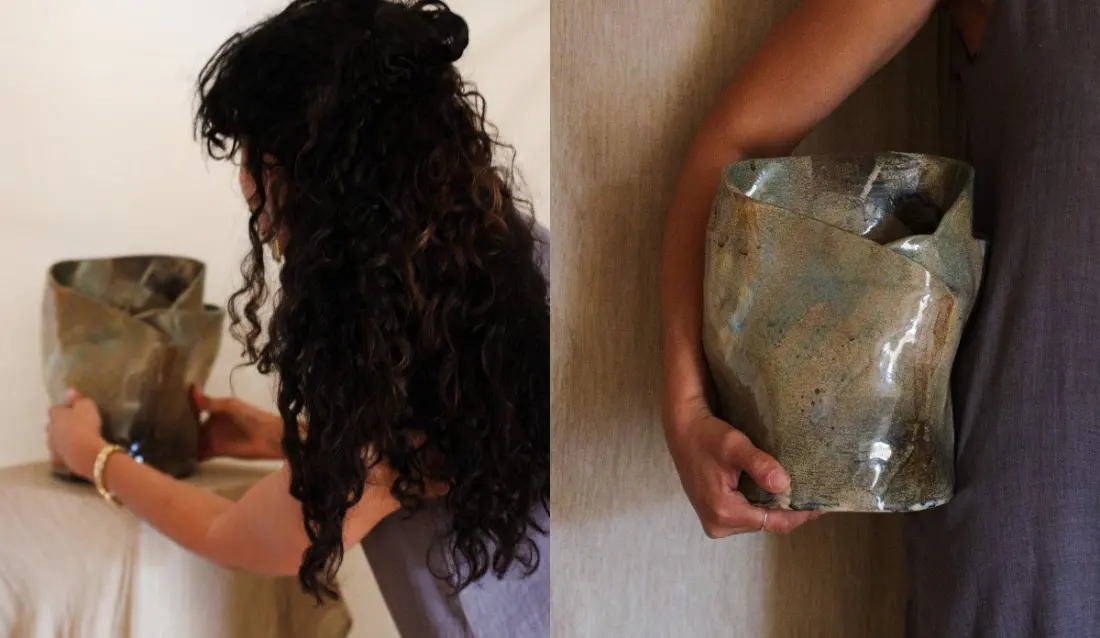
A new first-person account from Egyptian Streets follows a writer who joined the 2025 intake after a decade in London advertising and burnout. The essay is partly a personal story — a portfolio of self-taught contemporary ceramics somehow winning over an admissions panel — but it doubles as a rare look inside a school few travellers know exists.
The most compelling idea comes from instructor Mohamed El Deeb, who teaches Islamic geometry and gypsum. Dissecting a pattern, he tells students, means entering the mind of the person who first conceived it centuries ago. Copying a rosette for the fortieth time sounds tedious, but the writer describes a shift: traditional art rewards process rather than outcome, and materials set the pace. You cannot rush gypsum or hurry clay. Hours spent on a single geometric construction pass unnoticed, and mistakes stay visible — there's no undo button in handwork.
Something else happens too. The writer, who had lived in Cairo for eight years before six away, starts seeing the city differently. Motifs on mosque mihrabs suddenly have names and lineages; the star patterns on billboards resolve into countable points and traceable strapwork. The art was always there, hiding in plain sight — it just took a year of training the eye to see it.
That's the real hook for visitors. Cairo's Islamic architecture can blur into decoration if you don't know what you're looking at, and this piece makes the case that a little knowledge transforms a walk through historic Fustat, Islamic Cairo or the mosques of Sultan Hassan and Al-Azhar. Suddenly every dome, minaret and carved panel becomes legible.
It's also a nudge for anyone craving a slower kind of trip. The writer's 'micro-retirement' — stepping off a career treadmill and letting a new plan arrive rather than forcing one — mirrors what a lot of travellers are after right now: not a checklist of sights, but a craft, a class, a different relationship with time. Whether or not you'd apply to a two-year programme, the sentiment lands. Some places can't be rushed, and neither can the person visiting them.
For travellers interested in traditional arts, the wider takeaway is that Cairo remains a living centre of these crafts, not just a museum of them. Workshops in the old quarters still produce metalwork, glass and gypsum pieces by hand, and understanding the geometry behind them turns souvenir-shopping into something closer to connoisseurship.
Story via Egyptian Streets.