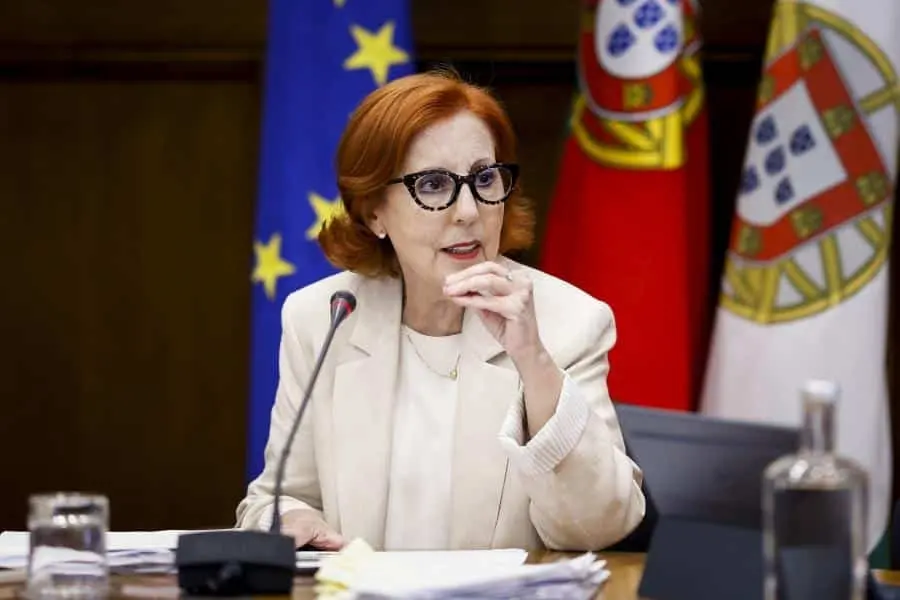
Portugal's environment and energy minister, Maria da Graça Carvalho, has called on citizens, companies and institutions to use fuel only for essential purposes, warning that consumption of petrol and jet fuel is running 4 to 6% higher than the same months last year. Speaking in Soure, in the Coimbra district, she described the rise as a surprise — partly explained by a strong tourism season — but clearly enough to worry a government watching events elsewhere in Europe.
The backdrop is a fuel squeeze that has already hit France hard, where as many as 16% of service stations were reported dry in a single day. The trigger traces back to Saudi Arabia cutting Europe off from its October crude supplies as it scrambles to reroute flows after damage to its East-West pipeline, attributed to Iran-backed militias. Brussels is said to be rewriting its emergency oil supply rules while publicly insisting there is no cause for alarm yet, but the combination of a looming winter and a Middle East crisis with no obvious end point has governments reading the room.
Portugal's answer so far is targeted rather than blanket: support goes to the most vulnerable and to commuters who depend on their cars to work, a policy opposition parties have criticised. The minister defended the approach, saying broad subsidies would end up helping people who don't need them.
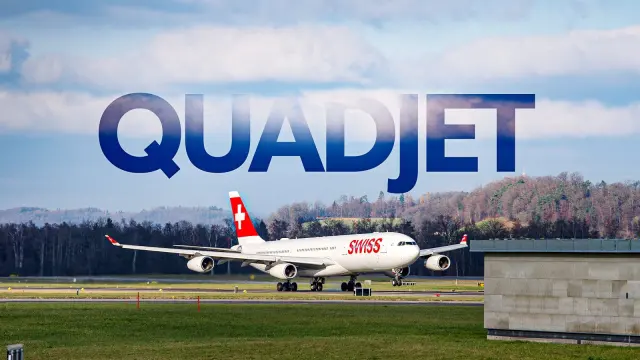
There is some reassurance on aviation specifically. Strategic reserves of jet fuel are over 18% higher than a year ago, and the government has been building ties with its four main fossil fuel suppliers — Algeria, Brazil, Nigeria and the United States. An Algerian minister is expected to visit soon, and contact with Brazil is set to resume after its elections.
For travellers, the practical upshot is this: Portugal is not rationing fuel and its aviation reserves are stronger than last year, so holidays there can go ahead as planned. But anyone renting a car or driving long stretches — the Alentejo interior, the Serra da Estrela, the northern borderlands — should expect occasional queues or patchy supply if the European squeeze worsens, and keep the tank topped up in smaller towns. Flights are currently the safer bet than road trips if disruptions spread, given the protected jet fuel stockpile. Worth following local news as winter approaches, since the situation depends heavily on what happens in the Middle East over the coming weeks.