
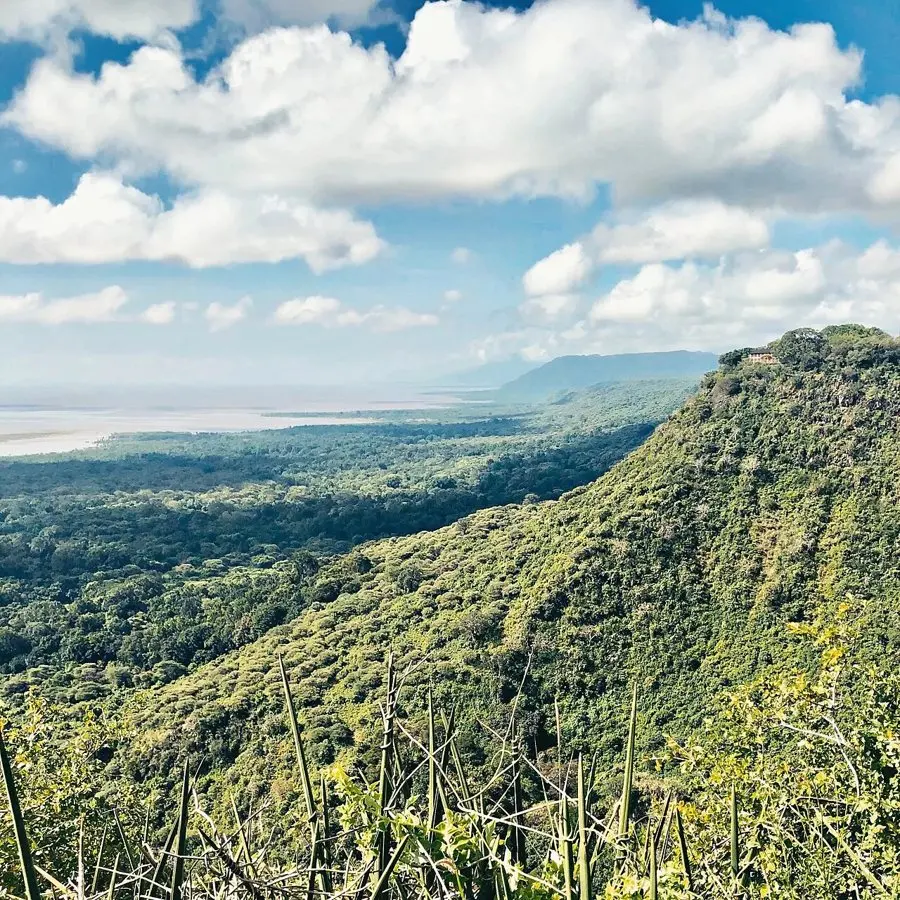
Northern Tanzania's safari route packs in big names — Tarangire, Lake Manyara, Ngorongoro, the Serengeti. Most travellers blast through the small town of Mto wa Mbu on the way. That's a mistake, because this patch of green at the foot of the Rift Valley escarpment offers something the national parks can't: a look at how people actually live here.
The town's name translates from Swahili as 'river of mosquitoes', but irrigation schemes have turned it into one of the region's most productive farming pockets. Bananas, rice, maize, beans, sweet potatoes, sunflower and sorghum grow in the fields threading toward the escarpment — reportedly around 30 banana varieties alone. Government resettlement policies brought settlers from across Tanzania, and the town is now often described as home to more than 120 ethnic groups. That mix is what makes it a genuine cultural destination rather than a roadside pit stop.
The main draw is the cultural tourism programme run by Mto wa Mbu Cultural Tourism Enterprises, set up in 1996 to make sure tourism money reaches residents. Options include guided village walks through farms and workshops, cycling tours that follow irrigation channels, visits to the local Maasai market, hikes to viewpoints above town, and home-cooked lunches built on what's grown nearby. A larger town-wide market happens on the 22nd of every month — busy, social and very much a working market, not a show for tourists. Nearby diversions include Miwaleni Waterfall and the hills overlooking the farms.
The pace is the point. After days of scanning for elephants through a 4x4 windscreen, here you're noticing banana plants by the road, crafts being made by hand, the rhythm of a market morning. Research on the town's tourism model has flagged real concerns — infrastructure gaps, uneven community participation, the risk of culture becoming a performance — which makes choosing locally run experiences all the more worthwhile. Booking through the community programme is the straightforward way to do that.
For anyone building a northern Tanzania itinerary, Mto wa Mbu works best as a half-day or overnight stop between Lake Manyara and Ngorongoro. It won't compete with a Serengeti crossing, and it doesn't try to. Its strength is human scale: farms, food and markets that give the wildlife spectacle some context. Swap one game drive for a bike ride and lunch in town, and you'll arrive at the next park gate with a better sense of the country you're travelling through. Full credit to Getaway South Africa for the original story.