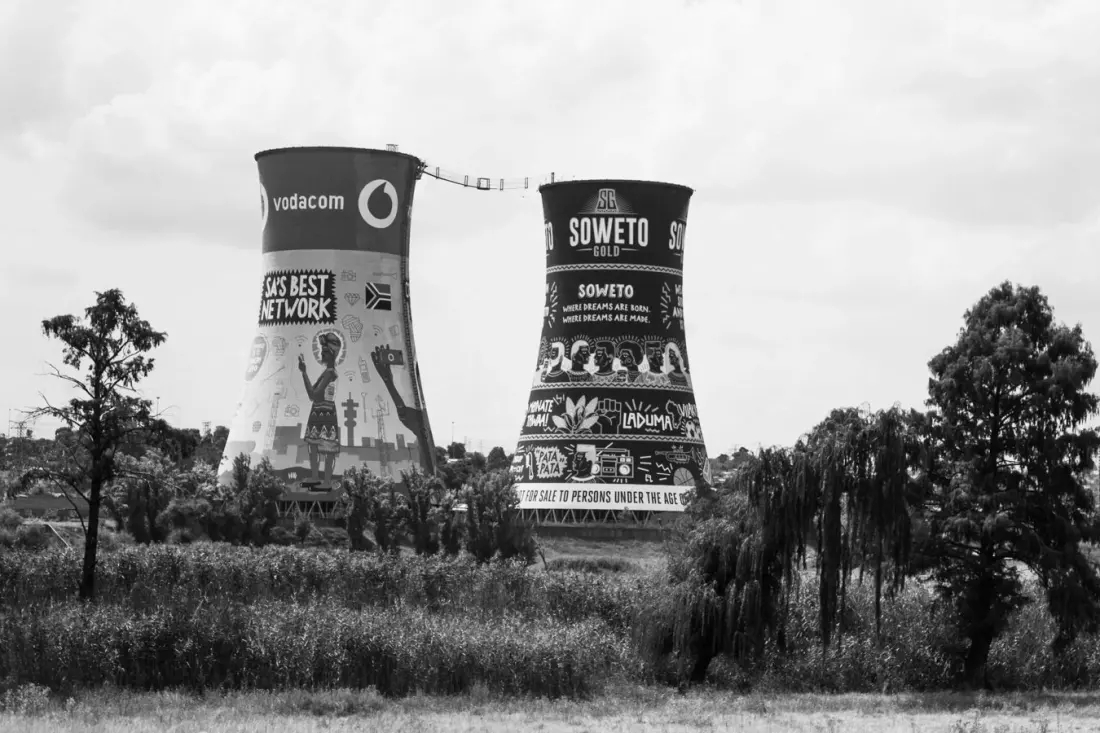
Johannesburg's famous township has given the world more sound than most entire countries. A recent feature in Getaway South Africa traces how Soweto's music evolved from the 1930s to today's amapiano boom — and why travellers should treat the place as a living museum of rhythm.
Soweto was created in the 1930s when black South Africans were pushed to the city's outskirts. Out of that hardship came marabi: repetitive piano chords laced with American swing, danceable enough to lift communities living under increasingly harsh apartheid laws. By the 1950s, the pennywhistle-driven style known as kwela echoed from street corners, with players like Spokes Mashiyane taking it to national audiences. Township jazz grew alongside it, producing Hugh Masekela, Kippie Moeketsi, Abdullah Ibrahim and Jonas Gwangwa — artists who folded marabi, swing and bebop into something unmistakably South African.
The 1970s and 80s turned song into resistance. After the 1976 Soweto Uprising, protest music carried the message worldwide. Mbaqanga, a blend of Zulu guitar and township grooves, thrived through the Mahotella Queens, Mahlathini and the Soul Brothers, while gospel traditions that would later launch the Grammy-winning Soweto Gospel Choir took root in local churches. Pop stars Brenda Fassie and Yvonne Chaka Chaka defined the era's defiance, and Paul Simon's Graceland project — featuring Soweto guitarist Ray Phiri — beamed the township's sound to global stages.
Democracy brought kwaito in the 1990s: slowed-down house beats carrying township slang, fashion and dance, popularised by Arthur Mafokate, Mdu Masilela and groups like Trompies. The baton has now passed to amapiano, whose jazzy piano lines and deep bass dominate playlists worldwide — with roots planted firmly in Soweto.
For visitors, this history is walkable. Vilakazi Street (the only street in the world that housed two Nobel Peace Prize winners) anchors cultural tours where music is presented not as entertainment but as documented history. Gospel fans and curious travellers alike fill the township's venues and tours, and Johannesburg's proximity makes an easy day trip — though staying longer rewards you with live music well past dark.
If your trip to South Africa includes any interest in jazz, gospel or the origins of amapiano, Soweto isn't a side quest. It's the source.