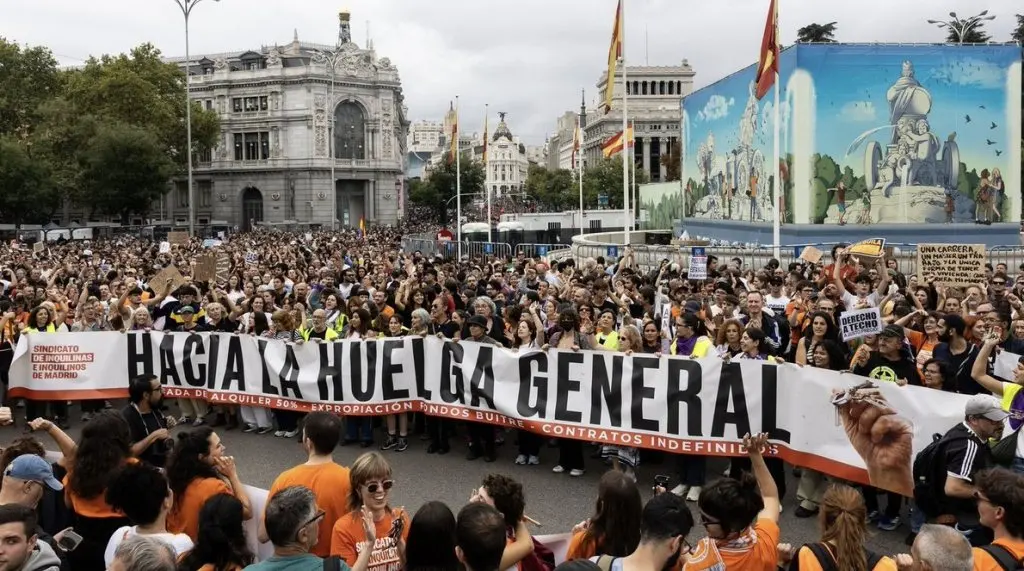
Spain is bracing for its first jointly-backed general strike in 14 years, and the timing matters for anyone with a trip planned this autumn. Unions CCOO and UGT, together with housing campaign groups and regional unions in Galicia and the Basque Country, have called a nationwide stoppage for Wednesday 11 November 2026 — just 18 days before the general election on 29 November.
The dispute is unusual for a labour stoppage. Rather than pay or workplace reform, the central demand is access to affordable housing, an issue that has fuelled large tenant-union protests across Spanish cities in recent years. It will be the ninth general strike supported by both major unions, and the first since 14 November 2012, when austerity protests hit Spain during the aftermath of the Great Recession.
The date was deliberately chosen. The official election campaign begins at midnight between 12 and 13 November, so the strike lands squarely in the pre-campaign window, putting housing at the heart of the national political conversation. Prime Minister Pedro Sánchez has said his government will respect the constitutional right to strike, while employers' groups CEOE and Cepyme argue the demands are not employment-related and that companies should not bear the cost of pressure tactics aimed at the government. Opposition parties PP and Vox have attacked the unions over the plan.
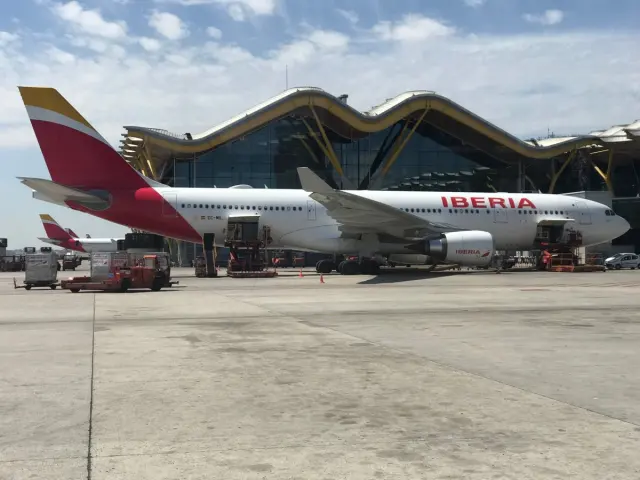
Practically speaking, a general strike in Spain can disrupt transport, with reduced or cancelled regional trains, metro and bus services, potential delays at airports as ground handlers walk out, and closures of some shops, museums and restaurants — though exact levels vary by city and provider, and minimum-service rules usually keep some services running. Travellers due to fly, catch trains or check into accommodation on 11 November should watch for updates from carriers, book refundable options where possible, and build buffer time into same-day connections. Big cities like Madrid and Barcelona are also likely to see large demonstrations, so expect road closures and crowds around central squares on the day.
Beyond the strike itself, the story explains a lot about Spain right now. Housing costs — driven by tourism pressure and short-term rentals in cities like Barcelona and Madrid — have become the country's most charged political issue, and it will dominate headlines through the 29 November vote. Visitors who understand that context will find Spanish cities more legible, and travellers with flexible dates may prefer to arrive after mid-November, when both the strike and the heat of the campaign should have passed. Source: Spain in English.