
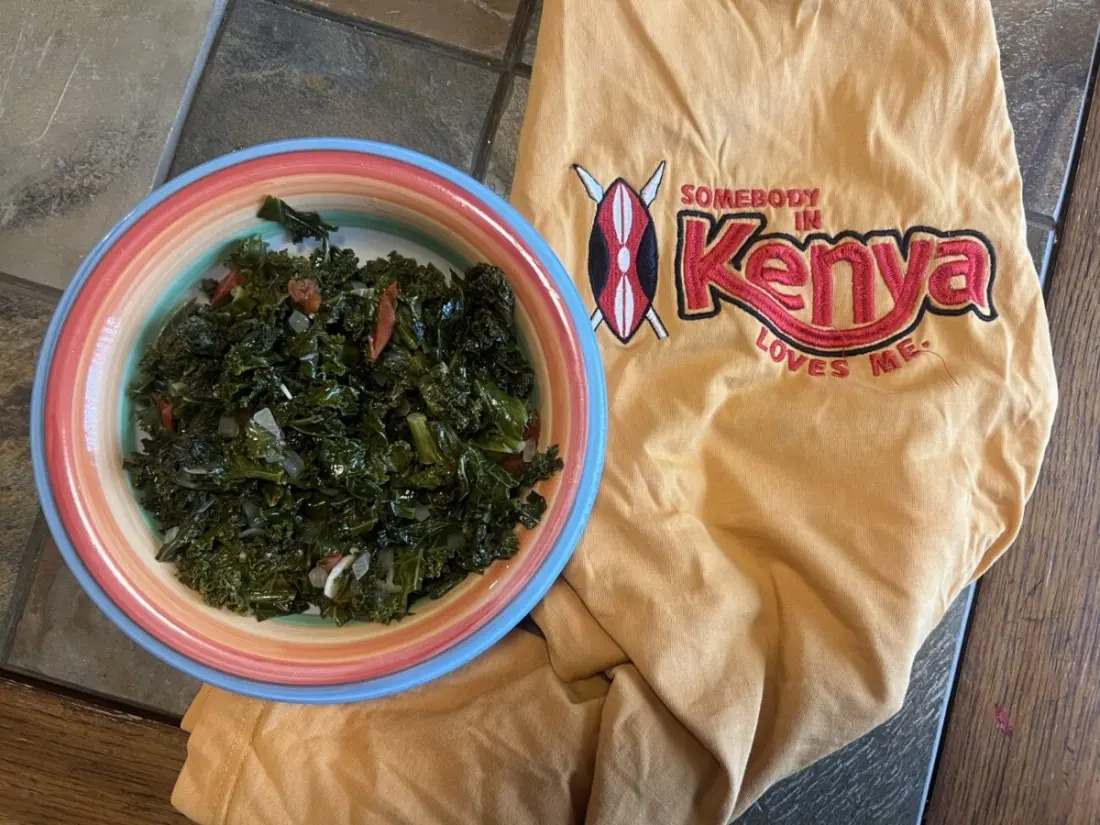
Some dishes carry more than flavour. For writer Nereya Otieno, a pot of sukuma wiki — the beloved Kenyan stewed greens — is a way of reaching towards a country she has never really known: her father's homeland. Her essay for Roads & Kingdoms traces how cooking the dish her father made on the family stove has become a personal bridge to Kenya, even across an ocean of distance.
The name itself tells a story. Sukuma wiki translates roughly to "stretch the week" in Swahili, a nod to the dish's role in Kenyan home kitchens as a thrifty workhorse — cheap greens transformed with onions, tomatoes and seasoning into something filling enough to carry a household to the next payday. It's everyday cooking, not restaurant food, and that's precisely its charm for anyone curious about how a country actually eats.
Beyond the sentiment, there's substance on the plate. Sukuma wiki is genuinely good for you: high in fibre, loaded with antioxidants, and rich in vitamins and minerals. Typically made with collard greens or a local kale-style leaf, it's quick to cook, endlessly adaptable, and pairs naturally with ugali (the maize-meal staple) or rice. If you've eaten in a Kenyan home or a local eatery, chances are a version of it was on the table.
For travellers, the dish is a low-cost, high-reward entry point into Kenyan food culture. Order it at a local café in Nairobi or Kisumu and you'll get a plate that reflects how millions of Kenyans actually eat day to day — humble, nutritious, and deeply tied to household budgets and family rhythms. Better still, it's an easy dish to recreate back home, and as Otieno's piece shows, cooking it can be its own kind of travel: a way to keep a place close when you can't be there.
Kenya's food scene goes far beyond one pot of greens — coastal Swahili dishes like biryani and coconut-infused curries, nyama choma grills, and street-side mandazi pastries all reward a curious appetite. But sukuma wiki is the dish that tells you the most about ordinary Kenyan life, and it's available on virtually every corner for pocket change.
If you're planning a trip, add a cooking class or a home-dining experience to your itinerary; many hosts in Nairobi and Mombasa will walk you through ugali and sukuma wiki from scratch. And if Kenya isn't on the calendar this year, a bunch of collards and a hot pan will get you partway there from your own kitchen. As Otieno's story makes clear, sometimes the shortest route to a place runs through the stove.
First shared by Roads & Kingdoms