Robbie Swinnerton arrived in Tokyo in 1980 and never really left. Now one of the most respected foreign-born writers on Japanese food, he remembers a city that felt like the edge of the world: mostly wooden buildings, labyrinthine neighbourhoods, and an address system so opaque that taxi drivers navigated by intersections rather than street names. Back then, foreigners weren't expected to eat Japanese food at all — tempura or teppanyaki was considered the exotic limit, and you either spoke Japanese or stayed home.
What followed was one of the most dramatic urban makeovers anywhere. The yen's revaluation in the mid-1980s brought wealth, and Tokyo ballooned into the dense megalopolis of today. Foreign chefs began arriving, celebrity food culture followed, and the real turning point came in 2007 when the Michelin Guide landed in the city. That was the moment the secret broke: Tokyo was officially recognised as one of the finest places to eat on the planet — something its chefs and producers had quietly known all along.
The effects are still unfolding. What was once a closed, insular culinary world has become far more open, with a genuine exchange between Japanese tradition and international influence. For visitors, that means the city is more accessible than ever — a place where you can eat everything from a ¥1,000 bowl of ramen at a counter to a kaiseki dinner that took the chef a lifetime to master.
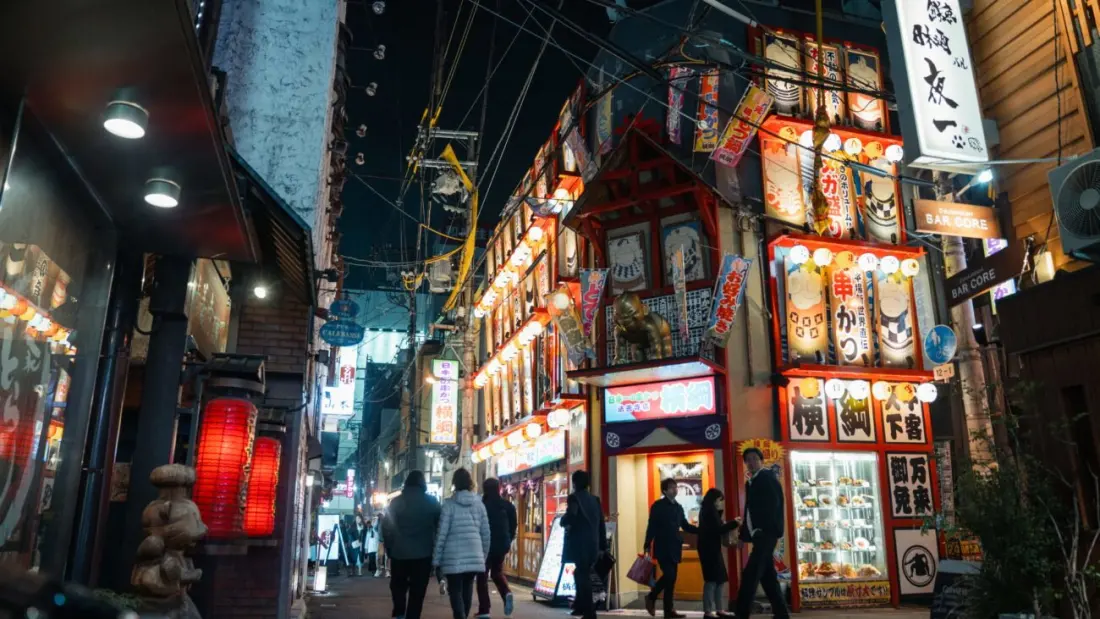
Why should a traveller care? Because Swinnerton's story is a useful reminder that Tokyo rewards curiosity over checklists. The old city of narrow alleys and tiny neighbourhood joints is still there between the glass towers, and some of the best meals happen in rooms with half a dozen seats. Tokyo now holds more Michelin stars than any other city, yet its real magic lies in the sheer density of good food — you can barely turn a corner without finding someone who has spent decades perfecting a single dish.
Practical takeaways for first-timers: book ahead for anywhere with a name, but leave room for spontaneous counter meals; learn a few Japanese phrases since English coverage is still patchy outside tourist zones; and don't limit yourself to sushi. The city's ramen shops, izakaya and depachika food halls are where many locals actually eat. Give the city at least four or five days, and treat neighbourhoods like Ebisu, Nakameguro and Yanaka as eating destinations in their own right rather than just stops on an itinerary.
For anyone planning a food-focused trip, Tokyo is the rare city that caters to every budget without a drop in quality — and a guide like Swinnerton's is a good prompt to slow down and eat the way locals do.