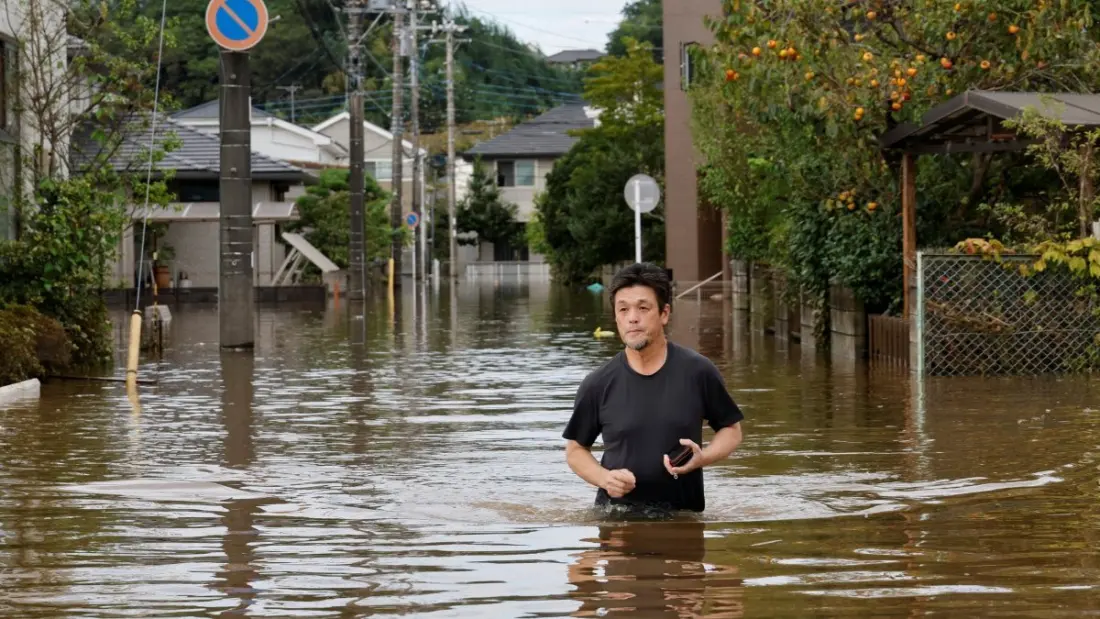
Typhoon Dujuan has battered Japan's Pacific coast, triggering landslides that killed four people and left six missing, according to public broadcaster NHK. Around 45,000 households lost electricity, with Tokyo Electric Power Co. confirming the outages across the affected region.
The worst damage has centred on Kanagawa and Chiba prefectures, just south and east of Tokyo. In Yokosuka, a woman in her 60s died when mud flowed into her home, and the other three victims ranged in age from their 50s to their 80s. In Miura, on the Kanagawa coast, rescue teams were digging through debris at a house hit by a landslide in the search for missing residents.
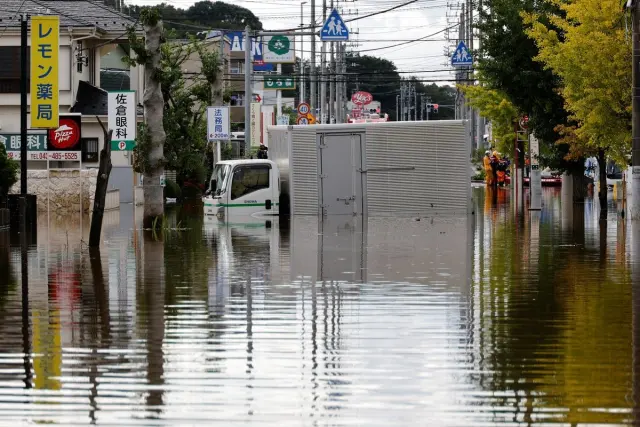
Flooding has been just as disruptive as the landslides. In Sakura, a Chiba city, resident Richard Yonamine described water pouring into his house after a swollen river overflowed — something he said he had never experienced in more than three decades living there. The typhoon has since moved northeast away from Japan, leaving residents to shovel out thick mud from streets and homes.
The storm is the second blow to Chiba in as many months. Heavy rain there in August caused widespread flooding, stranded travellers at Narita airport, one of Japan's busiest international gateways, and reportedly wrote off more than 10,000 cars. It also fits a broader pattern: 2026 has seen unusually intense rain, floods and tropical cyclones across East Asia, North America and Europe.
For anyone planning a trip to Japan, the practical takeaway is to take typhoon season seriously. The season typically peaks between August and October, and even storms that pass well offshore can dump dangerous amounts of rain on the Kanto region around Tokyo. Travellers should keep an eye on forecasts via the Japan Meteorological Agency, build flexibility into itineraries for onward transport, and expect possible airport delays at Narita during severe weather. If you're staying in coastal or riverside areas in Chiba or Kanagawa during a storm warning, follow evacuation advice from local authorities promptly — landslides and flash flooding can develop fast. Travellers should also check whether their accommodation and rail operators have disruption policies before booking trips in peak typhoon months.