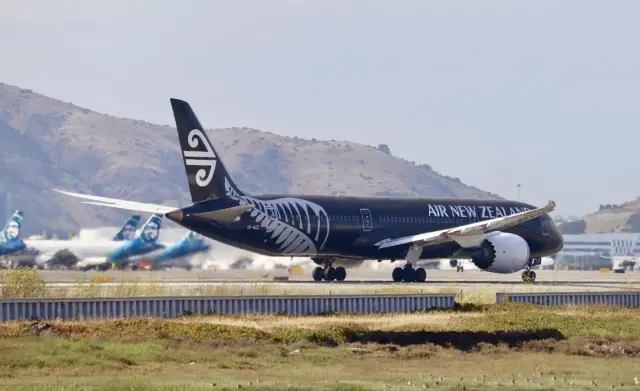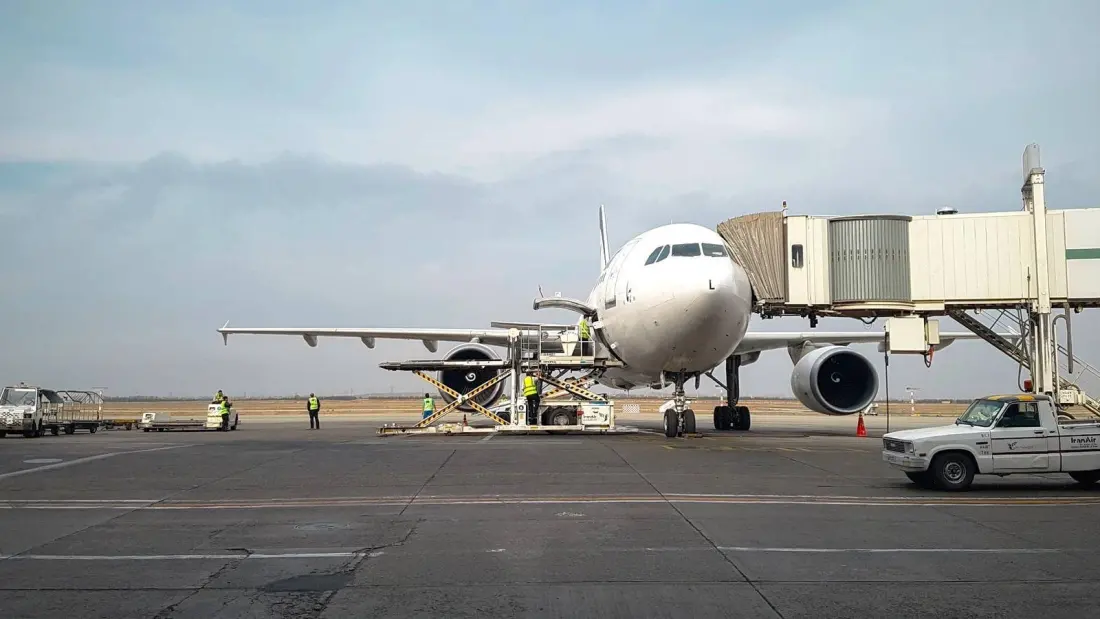
Iranian carriers could be effectively barred from foreign skies from September 23, according to US Treasury Secretary Scott Bessent, who told CNBC that "all the Iranian airlines will be shut down around the world" on that date. The move comes roughly seven months into the 2026 Iran Crisis, which began with US and Israeli military strikes on Iran, and represents a shift from military pressure to economic isolation.
Since there are no flights between the US and Iran, Washington can't ground these airlines directly. Instead, it plans to use secondary sanctions — targeting the foreign airports, fuel suppliers, handling agents and ticketing companies that make Iranian international flights possible. Bessent's warning was blunt: any enabler that fuels, services or sells tickets for Iranian aircraft risks being cut out of the dollar system. "We know who they are, they know who they are, and we are putting a stop to it," he said.
In practice, if foreign governments comply, Iranian carriers would be pushed back onto domestic routes only — not a full shutdown, but a serious contraction of their international networks. The plan has already drawn fire from Beijing. China's Foreign Ministry spokesperson Guo Jiakun called the sanctions "illegal," arguing they lack any basis in international law or UN Security Council authorisation. That friction lands at an awkward moment: Bessent recently held economic talks with Chinese Vice Premier He Lifeng, and Xi Jinping is due to meet President Trump at a summit on Thursday, so Iran may now complicate the US-China relationship just as it was warming.
Compliance is far from guaranteed elsewhere. Analyst Saj Ahmad, cited by Al Jazeera, expects several of Iran's key aviation markets to resist. Iraq is likely to seek an exemption given its tourism links with Iran; Pakistan's close ties make it unlikely to fall in line; and Turkey would probably push back too, given the economic and tourism commerce it shares with Iran. The UAE, by contrast, is expected to follow the US lead. Iran could also retaliate by closing its own airspace to foreign airlines — a move that would disrupt international overflights between Europe and Asia.
Why does this matter to travellers? First, if you hold tickets on Iranian carriers such as Iran Air or Mahan Air for regional routes, international services could cease at short notice. Second, airspace closures have a habit of snarling global routings — Iranian airspace is a corridor used by many carriers flying between Europe and Asia, and its closure would mean longer flights and possible delays. Third, anyone travelling through hubs like Istanbul, Dubai or Baghdad on routes touching Iran should watch for schedule changes as airlines re-plan. Geopolitical sanctions rarely stay contained to the country they target, and this one could ripple through some of the world's busiest air corridors.