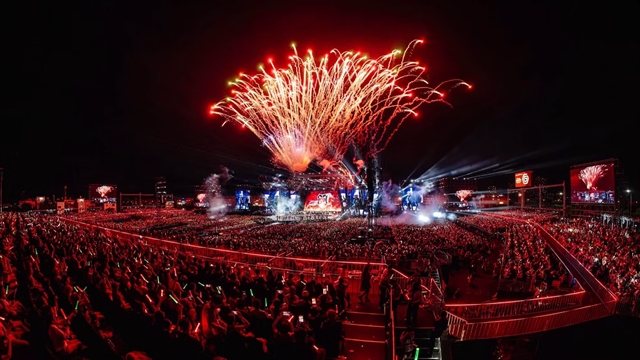
A two-night run of the show "Anh trai vượt ngàn chông gai" (Call Me by Fire) pulled roughly 100,000 spectators into Ho Chi Minh City over October 17 and 18 — the kind of crowd figure that used to be reserved for a handful of Southeast Asian capitals. It's also a signpost for where Vietnam's events industry is heading.
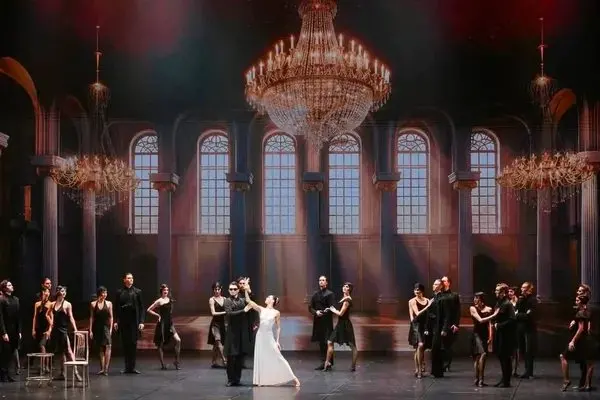
The numbers behind the boom are striking. Vietnamese concerts now routinely draw 30,000 to 50,000 fans while holding to security and organisational standards comparable with international productions. Global acts have helped set the bar: Blackpink and G-DRAGON shows in Vietnam brought world-class sound, lighting and staging with them, forcing local suppliers and rental firms to up their game. Industry figures, including VECA chairman Vũ Ngoạn Hợp, say local production quality now matches what you'd find overseas.
That's a shift from a few years ago, when international tour organisers surveyed Vietnam and walked away — the sound and lighting infrastructure simply wasn't there, and domestic equipment resources were scattered across small operators. Advanced gear has since arrived in the country, and policymakers are leaning in: Resolution No. 80-NQ/TW and the Government's cultural industries strategy explicitly aim to make Vietnam a host for major regional and international cultural events.
The sticking points now are structural rather than technical. Deputy Culture, Sports and Tourism Minister Tạ Quang Đông wants local firms to stop acting purely as service providers and start owning content, technology and products — turning Vietnamese-made concerts, festivals and event series into intellectual property with real international reach. VECA is pushing for a shared database so organisers can quickly assemble capable suppliers for large productions, alongside better training pipelines and closer cooperation with artists, designers and tech specialists.
Why does this matter if you're planning a trip? Because a genuinely live music scene is becoming part of the Vietnam experience. HCM City is emerging as the country's concert hub, and as local organisers build homegrown brands rather than just hosting touring acts, travellers can expect more festivals and large-scale shows timed around peak season. It also means better-built events when you do go: staged, staffed and sounded to an international standard rather than an improvised one.
The next few years should tell us whether Vietnam can convert one-off spectacle into a durable cultural-events brand — but if a 100,000-strong weekend crowd is the baseline, the direction of travel is clear.