That routine domestic hop or transatlantic red-eye might have a second job. Under a programme dating back to the Korean War era, America's biggest airlines keep a slice of their fleets on standby for the US military — and it has been switched on three times since the Cold War ended.
The Civil Reserve Air Fleet (CRAF) was created under the Defense Production Act of 1950 and formalised shortly after. Airlines volunteer aircraft and crews, and in return they get first pick of peacetime military charter work — a lucrative perk. In October 2026 alone, the US Department of War awarded $4.2 billion in charter airlift contracts, pushing the programme's cumulative value to $8.2 billion. Participation is a real commitment: aircraft must be US-registered, each needs four full crews, and airlines flying international segments must commit at least 30% of their eligible passenger fleet or 15% of their cargo fleet. Once activated, a carrier has just 24 to 48 hours to get its assigned aircraft mission-ready, though planes remain crewed and maintained by the airline under Air Mobility Command control.
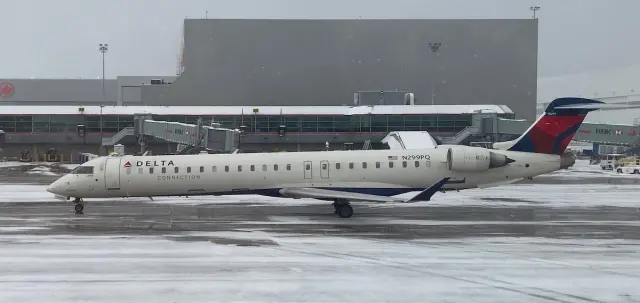
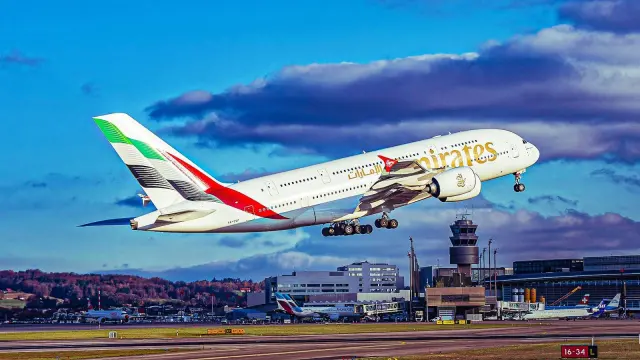
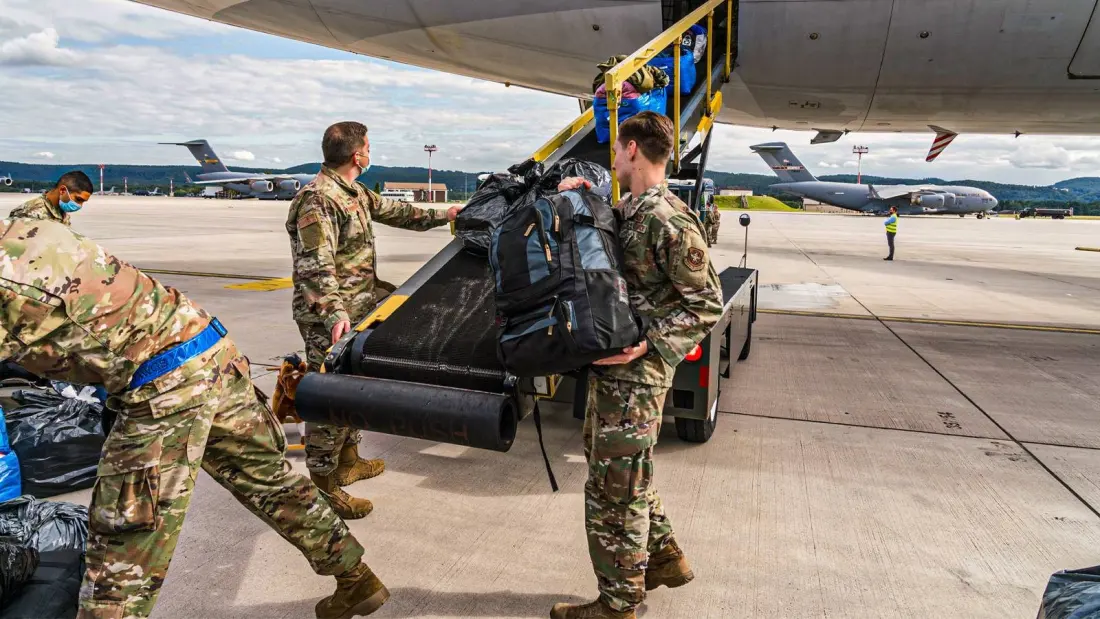
The fleet splits into international and national segments, with the long-range international section — widebody passenger and cargo jets capable of crossing oceans — doing the heavy lifting alongside Air Force C-5s and C-17s. A December 2025 USTRANSCOM article put the current force at more than 20 carriers and over 800 aircraft, up from 553 planes in 2014. Names on the roster read like an airport departures board: United, Delta, American, Alaska, JetBlue, Hawaiian, plus cargo specialists FedEx, UPS, Atlas Air and Kalitta.
Activation is rare and tiered. Stage I covers regional crises and disaster relief, Stage II a major theatre war, Stage III full national mobilisation — never yet declared. The first real call-up came in August 1990 for Operation Desert Shield, starting with 38 aircraft from 16 airlines and swelling to 116 by 1991, with United, Northwest, TWA and Pan Am among the biggest contributors. The second came in 2003 for Operation Iraqi Freedom. The third was in 2021, when 18 aircraft from American, Atlas Air, Delta, Omni, Hawaiian and United helped evacuate Afghanistan during Operation Allies Refuge — notably, the civilian jets never flew into Kabul, instead shuttling evacuees from intermediate stops handled by military aircraft.
Even in peacetime the arrangement is busy: United passenger flights routinely carry F-35 components to Israel and other destinations alongside regular travellers. And the model is now spreading to orbit — the Space Force is building a Commercial Augmentation Space Reserve (CASR) on the same principle, with pre-negotiated contracts for satellite imagery and space domain awareness that can be switched on during a crisis.
Why should a traveller care? It explains a quiet layer of US aviation: the plane you're on is part of a national surge capability, and the reason your airline bids for military charters is because it committed aircraft to the reserve. It's a reminder that commercial flying and national logistics have been intertwined for over 70 years — mostly invisibly, and almost always without affecting your itinerary.