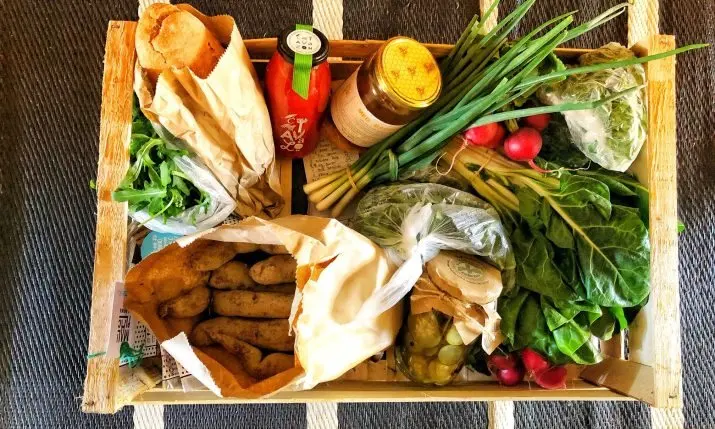
Zagreb is quietly becoming one of Europe's more interesting cities for anyone who cares about where food comes from — and it's doing it through the school canteen, not the restaurant scene. From the 2026/27 school year, around 21,000 children in the Croatian capital will eat organic food as part of their normal day, now including nine municipal kindergartens with roughly 5,000 youngsters on top of 32 schools serving about 16,000 pupils.
The city's 'Organic Food in Schools' project started modestly in late 2024 with deliveries of organic apples. It has since grown into a 49-product programme: fresh fruit and vegetables, eggs, honey, olive oil, bread, fruit spreads and grain products. More than 90% of it comes from Croatian producers, which is the point — the city wants food of known origin for kids, healthier eating habits, and a dependable market for domestic organic farmers, all while keeping the distance between farm and canteen short.
The money involved is serious for a municipal scheme: €1.2 million set aside for procurement between 2024 and 2026, with another €2 million planned for 2027–2029. Zagreb claims to be the first Croatian city to systematically bring organic food into schools via public procurement, and it has signalled the programme will keep expanding to more schools, kindergartens and producers. For local farmers, a contract like this offers something rare — stable, predictable demand. For families, it means organic ingredients simply show up in everyday institutional meals.
Why should a traveller care? Because if you're visiting Zagreb with children — or staying in an apartment near a school that sources this way — you're seeing a shift in how the city feeds its young. It also fits the wider European push toward sustainable public-sector food procurement, and it mirrors what you'll find at Zagreb's markets and organic shops, where honey, pumpkin-seed oil and orchard fruit from nearby counties have long been the good stuff to buy. The programme won't change your itinerary, but it's a decent signal of a city that treats local food as infrastructure rather than a trend, and it makes the Croatian capital an easier sell for family trips than it gets credit for.