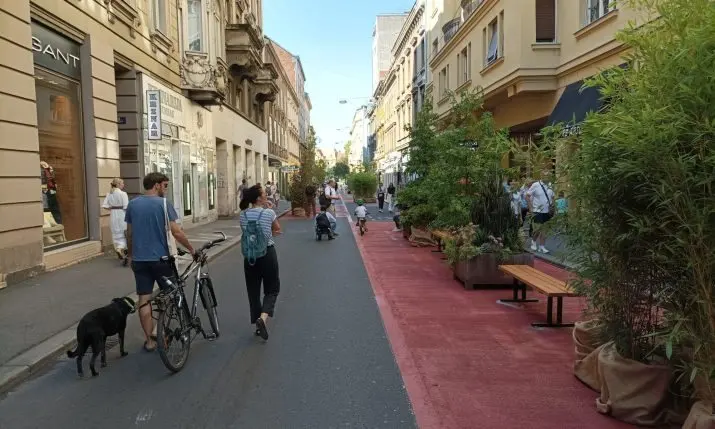
A chunk of central Zagreb is about to lose its 'temporary' label. The Croatian capital is pressing ahead with a permanent pedestrian zone covering parts of Masarykova, Teslina, Preradovićeva and Gajeva streets, after a public consultation showed overwhelming local backing for the idea.
The numbers tell the story. Of 3,435 people who responded to the city's online survey, 88.4% supported a comprehensive permanent redesign of the area. The car-free setup itself dates back to September 2023, when part of Masarykova (between Gundulićeva and Teslina) and part of Preradovićeva were pedestrianised as a trial. Since then the city has been studying extensions along Gajeva and Teslina, weighing traffic impacts, resident access, deliveries and emergency routes.
What locals want from the redesign is refreshingly specific. Nearly 85% of respondents said the zone lacks greenery, and top requests included more trees, extra seating, drinking fountains, public toilets and better street furniture. People also flagged the need for better-designed café terraces — a big deal in a stretch lined with bars and coffee spots — and improved accessibility for anyone with reduced mobility. The feedback came from a months-long participatory process between April and July, including public discussions, workshops and field research, and now feeds into a concept being drawn up by the Zagreb Institute for Spatial Planning.
The proposal goes on public show on 21 September at the Lapidarium of the Zagreb Archaeological Museum, as part of European Mobility Week (running in Zagreb from 16 to 22 September). Info boards in the pedestrian zone itself will let passers-by see the plans. Institute director Nikša Božić says the aim is to set new citywide standards for street design, furniture and public involvement — not just pretty up four streets. Mayor Tomislav Tomašević has framed it as residents asking for a greener, safer centre.
For travellers, this matters more than it might sound. These streets sit right in the Lower Town, steps from Ban Jelačić Square, the Croatian National Theatre and the museums along the 'museum mile' — the exact stretch most visitors wander anyway. A permanent, better-shaded, better-seated pedestrian core means a nicer place to linger over coffee, plus fewer cars between sights. Zagreb has been steadily reinventing its centre in recent years, and this locks in the calm, walkable feel that people who visit have been enjoying since 2023.