Birdwatching holidays are having a genuine boom moment. Booking platform GetYourGuide recorded a 65% year-on-year jump in global birdwatching experience bookings between January and late August 2026, while tour operator Voyageurs du Monde reported that birding trips booked for July-October 2026 were 57% higher than in the first half of the year. The operator has gone as far as calling 2027 "the year of birdwatching".
So what's driving it? A mix of viral #BirdTok clips, the post-pandemic appetite for slow, screen-free travel, and a wider shift in how people choose trips. Rather than picking a destination first, Voyageurs du Monde's Tom Barber says the company now asks clients what fascinates them — and birds increasingly top the list. There's something refreshingly low-tech about the whole thing: a pair of binoculars, some patience, and wherever you happen to be.
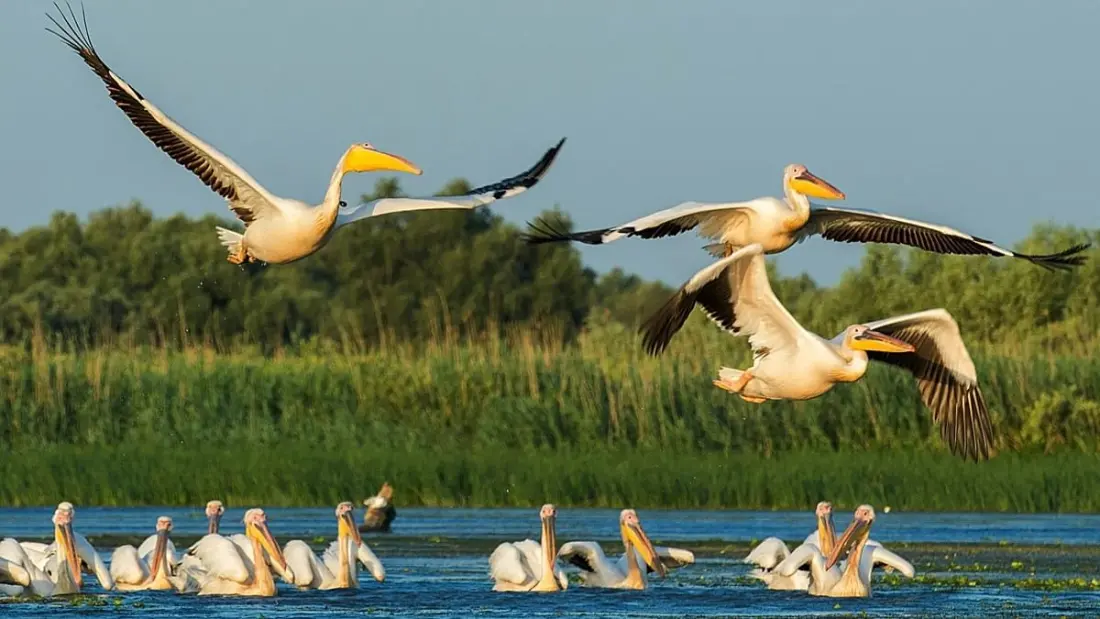
The good news for travellers is that Europe punches well above its weight. Romania's Danube Delta is the standout pick for beginners — one day on these vast wetlands can deliver sightings among more than 300 bird species, with big concentrations of breeding and migrating flocks. Northeast Greece is another strong bet, sitting on a major migration flyway where wetlands and forests meet; shoulder season is quieter and excellent for lakeside birding.
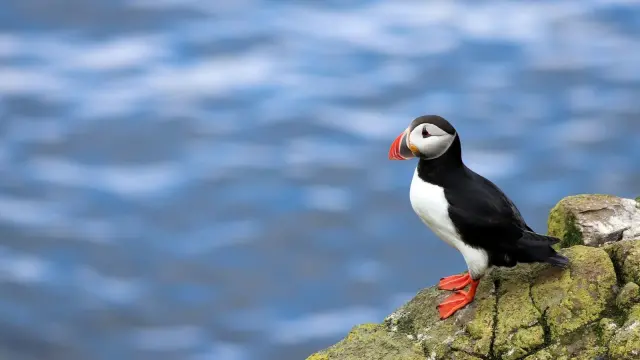
Further afield in Europe, Portugal's Atlantic coast and the islands of the Azores and Madeira are prime seabird territory thanks to their position on the East Atlantic Flyway, the migration superhighway running from the Arctic to southern Africa. If puffins are the goal, Iceland's Westman Islands host the world's largest colonies. And Sweden's Falsterbo Peninsula — ranked 19th in the world and first in Europe in a recent AllClear Travel study of the best birding sites — is a legendary migration hotspot on the country's southwestern tip.
That AllClear ranking placed only two European spots in its global top 20 (Falsterbo and England's Titchwell Marsh on the north Norfolk coast), with Peru's Manú National Park, Kenya's Tsavo East and Brazil's Pantanal topping the worldwide list. But its European shortlist is a ready-made hit list for 2027 trips: Fair Isle in Scotland, the Kalloni Saltpans on Lesvos, Lake Kerkini National Park, Ria Formosa in Portugal, the Camargue in France, Spain's Ebro Delta and Monfragüe, Hungary's Hortobágy National Park and several English reserves including Minsmere, Rutland Water and Slimbridge all made the cut.
Why it matters: birding holidays suit a wide range of travellers — from total beginners wanting a single guided day out to dedicated listers chasing rare species. It pairs neatly with slow travel, works in shoulder seasons when crowds thin out, and doesn't require expensive kit to start. Whether it's flamingos in the Camargue or raptors over the Ebro Delta, 2027 might be the year to finally book that trip you'd otherwise only watch on your phone.